Is your water heater not warming up like it used to? Or maybe the water suddenly gets scalding hot without warning?
These are signs that your water heater thermostat might be causing problems. When your thermostat malfunctions, it disrupts the comfort you rely on every day. Understanding these issues can save you from costly repairs and cold showers. Keep reading to discover how to spot thermostat problems early and what you can do to fix them before they become a bigger headache.

Credit: finuniverblg.ru.net
Page Contents
Common Thermostat Issues
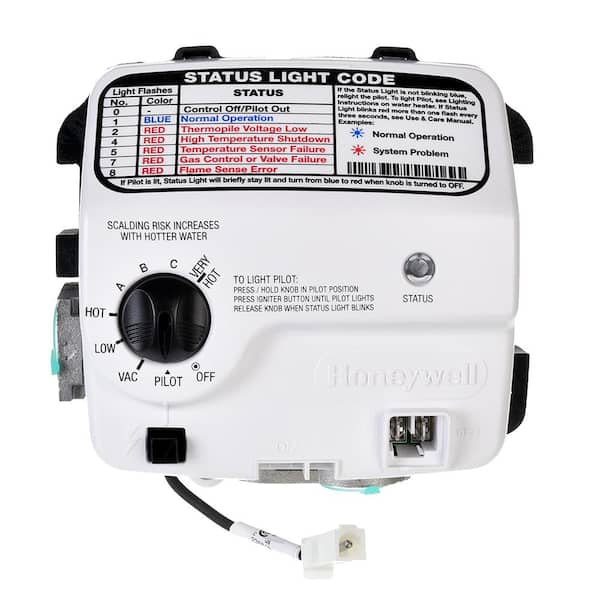
Water heater thermostats control the temperature of your hot water. Problems with these thermostats can cause discomfort and waste energy. Knowing common thermostat issues helps you spot problems early. It also guides you to the right fix.
Thermostat Not Responding
A thermostat that does not respond means it fails to control water temperature. This issue can cause no hot water or continuous heating. Often, electrical faults or worn-out parts are the cause. Checking connections and replacing the thermostat usually solves this.
Inconsistent Water Temperature
Inconsistent water temperature means water heats unevenly. Sometimes it is hot, other times cold. This problem may come from a faulty thermostat sensor or wiring issues. Dirt or sediment buildup can also affect temperature control. Cleaning or replacing the thermostat can restore steady heat.
Water Too Hot Or Too Cold
Water that is too hot or too cold signals thermostat miscalibration. The thermostat may be set incorrectly or broken. Extreme temperatures can cause burns or discomfort. Adjusting the thermostat or installing a new one fixes this problem quickly.
Credit: www.homedepot.com
Symptoms Of Thermostat Failure
The thermostat in a water heater controls the water temperature. When it fails, several signs appear. Recognizing these signs early can help avoid bigger problems. Here are common symptoms of thermostat failure.
No Hot Water
No hot water often means the thermostat is broken. It may not send the signal to heat the water. The heater runs, but the water stays cold. This is the most obvious sign of thermostat failure.
Water Temperature Fluctuations
Water temperature changes suddenly and without reason. One moment it is hot, the next it is cold. A faulty thermostat cannot keep the temperature steady. This makes showers uncomfortable and unreliable.
Frequent Heater Cycling
The heater turns on and off too often. This happens because the thermostat gives wrong signals. It tries to reach the set temperature but fails. Frequent cycling wastes energy and wears out the heater faster.
Main Causes Of Problems
Water heater thermostat problems often stop your water from heating properly. These issues come from a few main causes. Understanding these helps you spot trouble early and fix it fast.
Thermostats control the water temperature inside the heater. When they fail, the water may be too hot or cold. Common causes include wiring faults, worn parts, and sensor issues.
Faulty Thermostat Wiring
Wiring connects the thermostat to the power source and heating elements. Loose or damaged wires cause poor connections. This leads to inconsistent heating or no heat at all.
Check wiring for signs of wear or burns. Faulty wiring often causes the thermostat to malfunction or stop working.
Worn Out Thermostat Components
Thermostats have small parts that wear out over time. Mechanical parts can break or lose sensitivity. This causes wrong temperature readings.
Old thermostats may not react correctly to temperature changes. Replacing worn parts can restore proper function.
Sediment Build-up Affecting Sensors
Hard water causes sediment to collect inside the tank. Sediment can cover thermostat sensors. This stops them from detecting heat properly.
Blocked sensors lead to overheating or no heating. Cleaning the tank and sensors can fix this issue.
:max_bytes(150000):strip_icc()/reasons-gas-water-heater-not-working-5212987-hero-fe6b82a59053421c88b7d13ea311d3c5.jpg)
Credit: www.thespruce.com
Simple Troubleshooting Steps
Troubleshooting a water heater thermostat can fix many common problems quickly. Simple steps help identify issues without special tools. These steps save time and avoid costly repairs. Start with basic checks before calling a professional. Follow these easy actions to find the problem and fix it.
Checking Power Supply
First, check if the water heater has power. Look at the circuit breaker or fuse box. A tripped breaker or blown fuse can stop the heater. Reset the breaker or replace the fuse if needed. Make sure the power switch near the heater is on. Use a voltage tester for safety, if available. No power means the thermostat won’t work.
Resetting The Thermostat
Most water heater thermostats have a reset button. It stops overheating by cutting power. Find the button, usually under a metal panel. Press the button firmly until you hear a click. Resetting can fix minor faults and restore normal function. If the heater stays cold, try resetting once more. This step is quick and often solves the problem.
Inspecting And Replacing Wiring
Wiring problems often cause thermostat issues. Turn off the power before checking wires. Look for loose, burnt, or corroded wires near the thermostat. Tighten any loose connections carefully. Replace damaged wires with the same type and size. Faulty wiring can stop the thermostat from sensing temperature. Proper wiring ensures safe and reliable heater operation.
Diy Fixes For Common Issues
Water heater thermostat problems often cause discomfort and inconvenience at home. Fixing these issues yourself saves time and money. Basic tools and simple steps can solve many common problems. This guide covers easy DIY fixes anyone can try.
Adjusting Temperature Settings
Sometimes water feels too hot or cold. The thermostat might be set incorrectly. Find the thermostat dial on your heater. Turn the dial gently to raise or lower the temperature. The recommended setting is usually around 120°F (49°C). Check the water after a few hours. Adjust again if needed. This simple fix can restore your comfort quickly.
Cleaning Sediment From Tank
Sediment buildup affects heater performance and temperature. Drain the tank to remove sediment. First, turn off the power or gas supply. Attach a hose to the drain valve. Let water flow out until it runs clear. Flush the tank with cold water to clean fully. Sediment-free tanks heat water more efficiently and last longer.
Replacing A Malfunctioning Thermostat
A faulty thermostat causes inconsistent water temperature. Turn off power to the heater before starting. Remove the access panel and insulation. Disconnect the wires from the old thermostat. Install the new thermostat and reconnect the wires. Replace insulation and panel. Restore power and test the water temperature. This fix restores proper control over your heater.
When To Call A Professional
Knowing when to call a professional for water heater thermostat problems saves time and prevents damage. Some issues are easy to fix, but others need expert skills. Calling a professional ensures your heater works safely and efficiently.
Complex Electrical Problems
Water heaters have electrical parts that can be dangerous. Faulty wiring or bad connections need a professional. They can find hidden problems and fix them safely. Avoid risking electric shocks or fire by calling an expert.
Persistent Temperature Issues
If the water temperature stays too hot or too cold, the thermostat may be faulty. Simple resets might not help. A professional can test and replace the thermostat correctly. They ensure your water heats evenly every time.
Safety Concerns And Repairs
Leaking water or strange smells signal bigger problems. Gas water heaters need careful handling to avoid leaks or carbon monoxide risks. Professionals have the tools and knowledge to fix these safely. Protect your home and family by hiring a trained technician.
Preventive Tips For Thermostat Care
Taking care of your water heater thermostat helps avoid many problems. Simple steps can extend the life of your heater. These tips keep your water warm and save you money on repairs.
Regular Maintenance Schedule
Check your thermostat every few months. Set a calendar reminder for this task. Clean and inspect it for any signs of wear. Tighten loose connections to keep it working well. Replace old parts before they break down.
Protecting Against Sediment Build-up
Sediment can block heat transfer and cause damage. Flush your water heater tank regularly to remove sediment. Use a water softener if your water is hard. This reduces minerals that settle inside the tank. Keeping the inside clean improves thermostat function.
Monitoring Water Temperature Regularly
Check the water temperature often to avoid overheating. Set the thermostat between 120°F and 140°F for safety and efficiency. Use a thermometer to confirm the temperature. Adjust the setting if the water feels too hot or cold. This prevents damage and saves energy.
Frequently Asked Questions
What Causes Water Heater Thermostat Problems?
Water heater thermostat problems often stem from wear, faulty wiring, or sediment buildup. These issues disrupt temperature regulation, causing inconsistent water heat or no hot water.
How Do I Test A Water Heater Thermostat?
To test a thermostat, turn off power, remove the access panel, and use a multimeter. Check for continuity to confirm if the thermostat works properly.
Can A Faulty Thermostat Cause No Hot Water?
Yes, a faulty thermostat can stop the heating element from activating, resulting in no hot water. Replacing the thermostat usually resolves this issue quickly.
How Often Should I Replace A Water Heater Thermostat?
Typically, replace your water heater thermostat every 8-12 years or when it malfunctions. Regular maintenance can extend its lifespan and ensure efficient heating.
Conclusion
Water heater thermostat problems can cause many issues at home. They affect water temperature and energy use. Fixing or replacing a faulty thermostat helps save money and keeps you safe. Regular checks prevent sudden breakdowns. Simple steps can improve your water heater’s performance.
Stay alert for signs like no hot water or strange noises. Taking care of your thermostat means comfort every day. Don’t wait for big problems to start. Small repairs go a long way. Your water heater works best with proper attention.