Are you confident that your water heater is set just right? Many people overlook the importance of the top and bottom settings on their water heater, but these controls can make a big difference in your comfort and energy bills.
Getting these settings wrong could mean wasting energy or running out of hot water when you need it most. You’ll discover how to adjust your water heater’s top and bottom settings easily and safely. By the end, you’ll know exactly what to do to enjoy consistent hot water while saving money.
Keep reading—you’ll be glad you did!
Page Contents
Water Heater Basics
Understanding water heater basics helps you get the best hot water supply. Water heaters have simple parts but work in an important way. Knowing how they work can save you time and money.
Most homes use electric water heaters with two heating elements. These elements heat the water inside the tank. The settings on top and bottom control how fast water gets hot.
How Water Heaters Work
Water heaters heat water inside a large tank. Cold water enters at the bottom. The heating elements warm the water to the set temperature. Hot water rises to the top and flows to your taps.
The thermostat controls when the elements turn on or off. It keeps water at the right heat level. This system lets you have hot water anytime you need it.
Top Vs Bottom Heating Elements
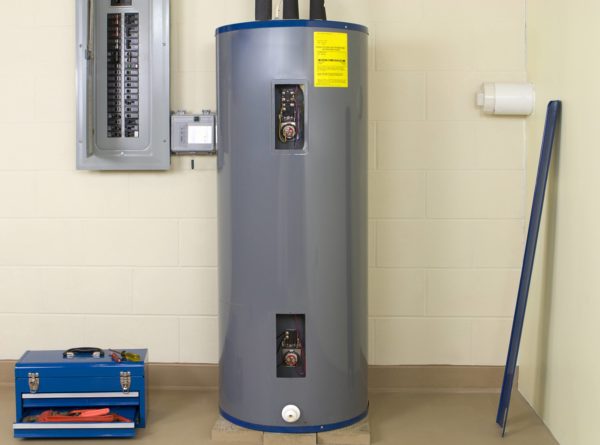
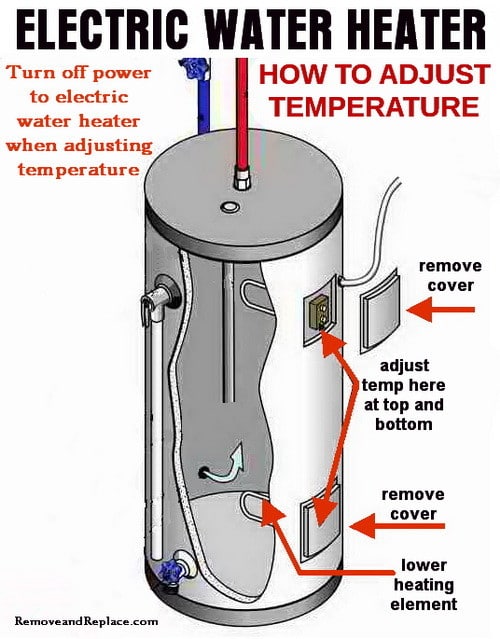
Electric water heaters have two heating elements. One is at the top, the other at the bottom of the tank. The bottom element heats cold water first. It warms the water slowly from the bottom up.
The top element keeps the water hot near the outlet pipe. It heats water faster when you use it a lot. Both elements work together for steady hot water flow.
You can adjust each element’s temperature separately. This helps save energy and keeps water warm all day. Knowing the difference improves your water heater use.
Optimal Temperature Settings
Setting the right temperature on your water heater matters. It affects comfort, safety, and energy use. Both the top and bottom settings play a role in how hot your water gets. Knowing the best temperature range helps you avoid burns and keeps your bills lower.
Recommended Temp Ranges
The ideal temperature for water heaters is usually between 120°F and 140°F. At 120°F, water is hot enough for most home uses. It saves energy and reduces the risk of scalding. Some models have separate top and bottom controls. Setting both within this range keeps water consistent and safe.
Temperatures above 140°F increase burn risk, especially for children and elderly. Below 120°F, water may not be hot enough to kill bacteria. Adjust your heater to balance these concerns. Check your manual for model-specific advice.
Balancing Safety And Comfort
Safety is key when setting your water heater. Too hot water can cause serious burns. Too cold water may feel uncomfortable and allow germs to grow. Aim for a middle ground. 120°F is a good starting point for most homes.
Test the water temperature before use. Adjust up or down to fit your needs. Keep in mind, colder water can save energy but may not suit all tasks. Hotter water feels better for showers but use caution. A mix of safety and comfort keeps your home healthy and pleasant.
Adjusting Top Element
The top element of a water heater controls the heating of the upper part of the tank. Adjusting this setting helps balance water temperature for better comfort and energy use. Proper adjustment prevents overheating and saves electricity.
This process is simple and requires only a few tools. Following clear steps ensures safety and accuracy in setting the right temperature.
Tools Needed
- Screwdriver (flathead or Phillips, depending on screws)
- Multimeter (to check power, optional but recommended)
- Thermometer (to measure water temperature)
- Protective gloves (to avoid burns)
- Voltage tester (to ensure power is off)
Step-by-step Adjustment
- Turn off power to the water heater at the circuit breaker.
- Remove the access panel on top of the water heater.
- Take off the insulation to expose the thermostat and heating element.
- Use a voltage tester to confirm power is off for safety.
- Locate the thermostat dial or screw on the top element.
- Turn the dial or screw to increase or decrease temperature.
- Replace the insulation and access panel securely.
- Turn the power back on at the circuit breaker.
- Wait 30 minutes, then use a thermometer to check water temperature.
- Repeat adjustment if needed to reach the desired temperature.

Credit: www.pamsteele.org
Adjusting Bottom Element
The bottom element of a water heater plays a key role in heating your water efficiently. Adjusting this element helps control the water temperature at the lower part of the tank. Proper adjustment saves energy and keeps your water comfortably warm.
Making changes to the bottom element is simple. It takes just a few tools and steps. Careful adjustments can improve your water heater’s performance and lifespan.
Tools Needed
- Screwdriver (flathead and Phillips)
- Multimeter or voltage tester
- Adjustable wrench
- Insulated gloves
- Thermometer (optional)
Step-by-step Adjustment
- Turn off power to the water heater at the breaker box.
- Remove the access panel covering the bottom element.
- Take off the insulation and plastic safety cover.
- Use a multimeter to check the element for power.
- Locate the thermostat dial on the bottom element.
- Use a screwdriver to turn the dial to the desired temperature.
- Replace the safety cover and insulation.
- Put the access panel back in place.
- Turn the power back on and wait for water to heat.
- Check water temperature with a thermometer if needed.
Troubleshooting Common Issues
Troubleshooting common water heater problems helps keep your hot water flowing. Simple checks of the top and bottom settings can fix many issues. Understanding these signs can save time and money. Here are some common problems and easy ways to address them.
Uneven Water Temperature
Water may feel hot at first then turn cold. This happens when the top or bottom thermostat is set incorrectly. Check if one thermostat is lower than the other. Adjust both to the same temperature, around 120°F. This balance keeps water temperature steady.
No Hot Water
No hot water means the heater is not heating properly. First, check if the power or gas supply is on. Then inspect the top and bottom settings. A broken thermostat or heating element can cause this. Test and replace faulty parts to restore heat.
Overheating Problems
Water too hot can cause burns or damage. Overheating happens if the thermostat is set too high. Lower the temperature setting to a safe level. Also, check the thermostat for faults. Replace if it cannot control the heat properly.
Energy Efficiency Tips
Saving energy with your water heater helps lower bills and protect the environment. Simple steps can make your water heater work smarter, not harder. Small changes can lead to big savings over time. Focus on setting timers, adjusting thermostats, and adding insulation.
Setting Timers And Thermostats
Use a timer to run your water heater only when needed. This stops heating water all day long. Set the thermostat to 120°F. This temperature is safe and uses less energy. Avoid setting it too high to save power and prevent burns.
Insulating Your Water Heater
Wrap your water heater with an insulating blanket. It keeps heat inside and reduces energy loss. Insulate hot water pipes to keep water warm longer. This means your heater runs less often. Insulation is a low-cost way to boost efficiency.
Safety Precautions
Water heater settings impact your home’s safety. Incorrect temperatures can cause burns or damage the unit. Always follow safety steps to protect your family and keep your heater working well.
Avoiding Scalding
Set the water heater temperature below 120°F (49°C). This stops water from getting too hot. Hot water can burn skin quickly. Use a thermometer to check the water temperature regularly. Teach children about the risks of hot water. Installing anti-scald valves adds extra protection.
Regular Maintenance Checks
Inspect your water heater every six months. Look for leaks, rust, or strange noises. Flush the tank to remove sediment buildup. Sediment harms efficiency and can cause damage. Test the pressure relief valve to ensure it works. Call a professional if you find any issues.
Credit: meadeshvac.com
Credit: www.histamineintolerance.org.uk
Frequently Asked Questions
What Is The Ideal Top Setting For A Water Heater?
The ideal top setting on a water heater is usually around 120°F (49°C). This temperature balances energy efficiency and safety. It prevents scalding while providing enough hot water for daily use. Adjusting the top setting can save energy and reduce utility bills.
How Do Bottom Settings Affect Water Heater Performance?
Bottom settings control the water temperature at the tank’s base. Proper adjustment ensures consistent hot water throughout the tank. Incorrect settings can cause temperature fluctuations and reduce efficiency. Balancing top and bottom settings optimizes water heater performance and longevity.
Why Adjust Both Top And Bottom Water Heater Settings?
Adjusting both settings ensures uniform water temperature. It prevents cold spots and improves overall heating efficiency. Balanced settings reduce energy waste and extend the heater’s lifespan. Regular checks maintain optimal performance and safety.
Can Incorrect Water Heater Settings Cause Damage?
Yes, incorrect settings can lead to overheating or sediment buildup. High temperatures may damage the tank and plumbing. Low settings might cause bacterial growth inside the tank. Proper temperature control protects the system and ensures safe water quality.
Conclusion
Setting the top and bottom of your water heater right saves energy and money. It keeps water hot without wasting power. Adjusting these controls helps avoid overheating and extends the heater’s life. Check settings often to stay comfortable and efficient.
Small changes make a big difference in your home. Take control of your water heater for better results. Simple steps bring lasting comfort and savings.