
Ever wondered what keeps your water heater running safely and efficiently? You might not think about it often, but a small component called the T&P valve plays a crucial role.
This seemingly simple part can prevent potential disasters by regulating temperature and pressure within your water heater. Understanding what a T&P valve is and how it functions can save you from unnecessary headaches and expenses. So, if you’re keen on ensuring your home’s safety and maximizing your water heater’s lifespan, read on.
Discover how this tiny valve can make a big difference in your everyday comfort and peace of mind.
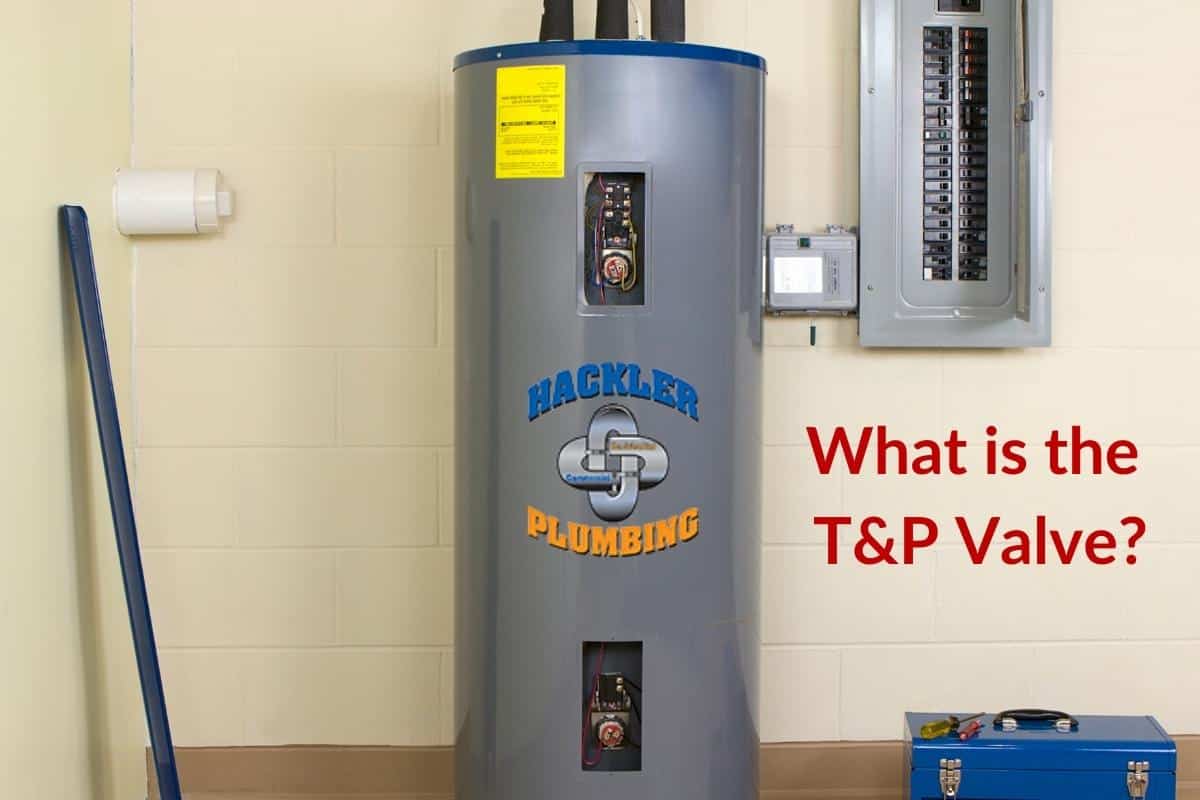
Credit: hacklerplumbingmckinney.com
Page Contents
Function Of T&p Valve
A T&P valve on a water heater releases pressure and temperature to prevent overheating or explosion. It ensures safety by discharging water when pressure or temperature exceeds safe limits. Regular checks are vital for proper functioning and household safety.
Understanding the function of a T&P (Temperature and Pressure) valve on a water heater is essential for every homeowner. This small yet crucial component plays a big role in ensuring safety and efficiency. But what exactly does it do, and why should you care?What Does A T&p Valve Do?
The T&P valve is a safety feature. It releases excess pressure or temperature to prevent your water heater from becoming a potential hazard. Think of it as a safety net for your home. When water heats up, it expands. This expansion creates pressure. If left unchecked, it can cause the water heater to fail, leading to costly repairs or dangerous situations.Why Is The T&p Valve Important?
Imagine your water heater as a pressure cooker. Without a release mechanism, the pressure could build to dangerous levels. The T&P valve acts as a release valve, opening when the pressure or temperature exceeds safe limits. This valve helps prevent potential disasters. Your home and your family are safer because of this small device.Signs Your T&p Valve Is Working Properly
A functioning T&P valve will occasionally release a small amount of water. This is normal and indicates it’s doing its job. If you notice water around your heater, don’t panic immediately. Check if it’s just the valve doing its work. However, constant leaking might indicate an issue that needs addressing.When Should You Check The T&p Valve?
Regular inspections are key. Set a schedule to check your T&P valve every six months. This ensures it’s free from any blockages and operates smoothly. A simple test involves lifting the valve’s lever. If water flows out, it’s working. If not, it may need a replacement.What If The T&p Valve Fails?
A malfunctioning T&P valve can lead to serious consequences. Without it, pressure and temperature can build up, causing leaks or even an explosion. Consider the value of preventive measures. By ensuring your T&P valve functions properly, you safeguard your investment and maintain peace of mind. Your water heater’s T&P valve might seem small, but its impact is significant. Are you ready to check your valve today? Remember, a little attention now can save you from big problems later.Components Of T&p Valve
Understanding the components of a T&P valve on a water heater can be crucial for ensuring your home’s safety and efficiency. If you’ve ever wondered why your water heater doesn’t explode, this little device plays a key role. Let’s dive into the specifics and explore each part that makes this valve essential.
Temperature Sensing Element
The temperature sensing element is like the watchdog of your water heater. It’s responsible for monitoring the water temperature. If the water gets too hot, this element triggers the valve to open and release pressure, preventing potential danger. Think of it as your heater’s safety alarm, ready to act in case of overheating.
Pressure Sensing Element
Pressure sensing is equally important. This component measures the pressure inside your water heater. If the pressure builds up beyond a safe level, it activates the valve to release excess pressure. Have you ever felt the force of a high-pressure hose? Imagine that inside your heater without a release option. This element ensures it doesn’t become a risky situation.
Discharge Pipe
The discharge pipe is the exit route for excess water and steam. It’s crucial that this pipe is directed properly to prevent any accidents. Picture this: if the pipe is blocked or improperly installed, the released hot water could cause damage or injury. Ensuring this pipe is clear and correctly positioned is essential for safety.
Valve Body
The valve body houses all the critical components of the T&P valve. It’s designed to withstand high temperatures and pressures. Have you ever wondered why certain materials are chosen for specific tasks? The valve body is crafted for durability, ensuring it can handle the stress of regular operation. Its robust design is what keeps the entire mechanism functioning smoothly.
These components work together to protect you from potential hazards. Have you checked your water heater’s T&P valve recently? Ensuring it’s functioning well can prevent serious issues and keep your home safe. Regular inspection might reveal insights you hadn’t considered before.
Importance Of T&p Valve
The Temperature and Pressure (T&P) Valve on a water heater plays a crucial role in maintaining safety and functionality. It’s often overlooked, but its importance can’t be overstated. Without it, your water heater could become a ticking time bomb.
What Does The T&p Valve Do?
The T&P valve releases excess pressure and temperature from your water heater. Picture this: your water heater is working overtime, and the pressure builds up. The T&P valve opens up, releasing steam and water to prevent a potential explosion. It’s like a safety net for your home.
Preventing Explosions And Damage
Overpressure in a water heater can lead to catastrophic damage. A malfunctioning T&P valve could mean you’re just one faulty thermostat away from disaster. Regularly testing this valve is essential to ensure it functions properly, safeguarding both your family and property.
Easy Maintenance Tips
- Test your T&P valve every six months by lifting the lever. If water flows freely, it’s in good shape.
- Look for any corrosion or leaks around the valve. Replace it if you notice these signs.
- Consider hiring a professional to inspect your water heater annually for peace of mind.
Personal Experience And Lesson Learned
Once, I ignored a slight drip from my water heater’s T&P valve. A month later, my basement was flooded. It was an expensive lesson on the importance of regular maintenance. You don’t want to learn the hard way, trust me.
Why You Should Care About The T&p Valve
Neglecting the T&P valve can lead to costly repairs and safety hazards. Would you rather spend a few minutes ensuring your valve works, or face potential home damage? Taking proactive steps today can save you from future headaches and expenses.
Have you checked your T&P valve recently? If not, it’s time to add it to your to-do list. Your safety depends on it.
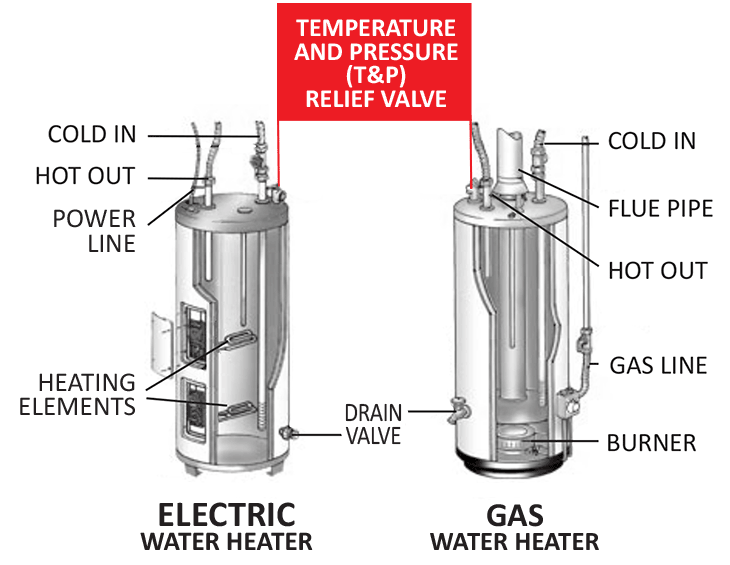
Credit: www.sandiegocounty.gov
Common Problems
The T&P valve on a water heater is crucial for safety. It releases excess pressure and temperature. Despite its importance, it faces issues. These problems can disrupt functionality and compromise safety.
Leaking Issues
Leaking is a common problem with T&P valves. It occurs when pressure is too high. A faulty valve may also leak. Regular checks can spot leaks early. A dripping valve needs attention. Ignoring leaks can lead to bigger issues. Over time, leaks cause damage to the heater. They also waste water and energy.
Corrosion And Wear
Corrosion affects T&P valves over time. Moisture exposure accelerates corrosion. Minerals in water speed up wear. Corroded valves may malfunction. They might not release pressure correctly. Regular inspection helps spot corrosion. Replace corroded valves immediately. Doing so prevents safety risks. Proper maintenance reduces wear. It extends the valve’s lifespan.
Installation Tips
Installing a Temperature and Pressure (T&P) Valve on a water heater is crucial. It ensures safety by releasing excess pressure and temperature. Correct installation is vital to prevent malfunctions. Follow these tips to ensure a successful installation.
1. Gather Necessary ToolsBefore installation, gather all required tools. You need a wrench, plumber’s tape, and a pipe cutter. Having everything ready saves time and hassle.
2. Turn Off the Water and PowerEnsure safety by turning off the water supply. Also, cut off the power or gas supply. This step prevents accidents during installation.
3. Locate the T&P Valve PortFind the designated port on the water heater. It’s usually on the top or side. This is where you’ll install the valve.
4. Remove the Old ValveUse a wrench to remove the old valve. Turn it counterclockwise until it’s loose. Handle it carefully to avoid damaging the heater.
5. Prepare the New ValveWrap the threads of the new valve with plumber’s tape. This ensures a tight seal. It prevents leaks and improves efficiency.
6. Install the New ValveScrew the new valve into the port. Tighten it with a wrench. Ensure it’s secure but avoid over-tightening.
7. Attach the Discharge PipeConnect a discharge pipe to the valve’s outlet. Ensure it directs water safely away. This step is vital for safety.
8. Test the ValveTurn the water and power back on. Test the valve for proper function. Check for leaks and ensure it releases pressure correctly.
Maintenance Practices
The T&P valve is crucial for water heater safety. Regular maintenance ensures its proper function, preventing dangerous pressure build-up. Simple practices can extend the valve’s lifespan. Consistent care protects your home and family.
Regular Inspection
Inspect the T&P valve every six months. Check for leaks or corrosion around the valve. A leak might indicate the valve needs replacement. Test the valve by lifting the lever. Water should flow freely when released. If water dribbles or doesn’t flow, consider replacing the valve. Ensure the discharge pipe is clear. Blockages can cause pressure problems.
Cleaning Tips
Keep the T&P valve clean to prevent debris build-up. Wipe the valve with a damp cloth. Remove any dust or dirt. Check the discharge pipe for obstructions. Use a soft brush to clean inside the pipe gently. Avoid harsh chemicals; they can damage the valve. A clean valve ensures proper function and safety. Regular cleaning maintains efficiency and extends lifespan.
When To Replace
The T&P valve on a water heater ensures safety by releasing excess pressure and temperature. Replace it if it leaks or shows signs of corrosion. Regular checks help maintain proper function and avoid potential hazards.
When it comes to your water heater, the T&P (Temperature and Pressure) Valve plays a crucial role in ensuring safety and efficiency. But like any part of your home, it may need replacement over time. Knowing when to replace it can prevent costly damage and ensure your water heater works optimally.Understanding The Functionality
The T&P Valve releases excess pressure and temperature from your water heater. This function prevents potential explosions and keeps your heater operating safely. Imagine the relief of knowing your appliance has a built-in safety feature!Signs You Need A Replacement
Have you noticed water pooling around your water heater? This could indicate a faulty T&P Valve. Excessive leaking might mean the valve is struggling to handle pressure. Another sign is rust or corrosion. These signs suggest the valve isn’t doing its job well. A simple visual inspection can offer great insights into its condition.How Often Should You Check?
Regular checks are key to maintaining a safe water heater. Experts recommend examining the T&P Valve every six months. This routine can catch problems before they escalate. Think about it: a few minutes of inspection can save you from a hefty repair bill.Personal Experiences And Insights
I once ignored a small leak around my water heater. It seemed insignificant. But weeks later, it led to a flooded basement. That taught me the importance of regular checks and timely replacements. Your experience might differ, but the lesson remains: proactive maintenance is invaluable.Replacing The Valve: Diy Or Professional Help?
Are you handy with tools? Replacing a T&P Valve can be a DIY project. But if plumbing isn’t your forte, calling a professional might be wise. Safety should be your priority. Ensure the water heater is off and cool before starting any work.Cost Considerations
Replacing a T&P Valve isn’t expensive. It’s a small investment for peace of mind and safety. Consider it a preventive measure that protects your home. Would you rather spend a little now or face a costly repair later? The choice is yours. Regular checks and timely replacements of the T&P Valve are vital. They ensure safety, efficiency, and peace of mind.Safety Considerations
Water heaters are essential for comfort in our homes. But they can pose safety risks. A Temperature and Pressure (T&P) valve plays a crucial role in safety. This small component prevents pressure buildup and overheating. Ignoring its maintenance can lead to dangerous situations.
Understanding The T&p Valve’s Function
The T&P valve releases water if the pressure or temperature gets too high. It prevents explosions by reducing excess pressure. This simple action is vital for safety. Regular checks ensure it works properly.
Signs Of A Faulty T&p Valve
Leaking water is a common sign of a faulty valve. Rust or corrosion on the valve indicates a problem. Unusual noises from the water heater can be a warning. Ignoring these signs can lead to bigger issues. Always address them quickly.
Importance Of Regular Maintenance
Regular maintenance ensures the T&P valve functions correctly. A stuck valve can cause pressure buildup. This can lead to explosions. Checking the valve yearly can prevent risks. It is a simple yet effective safety measure.
Professional Inspections Vs. Diy Checks
Professional inspections provide peace of mind. Experts know what to look for. They can spot hidden issues. DIY checks are good for basic maintenance. But always seek professional help for complex problems.
Consequences Of Neglecting Safety
Neglecting the T&P valve can be dangerous. Pressure can build up, leading to explosions. Scalding hot water can cause burns. Regular checks prevent these risks. Safety must always be a priority.
Credit: www.watts.com
Conclusion
A T&P valve is crucial for water heater safety. It prevents overheating and excess pressure. Regular checks are vital. Look for signs of leaks or corrosion. Replace the valve if needed. This ensures your water heater works well. Safety comes first.
Proper maintenance saves you stress and money. A well-functioning valve means a worry-free home. Understanding its role keeps your household safe. Remember, a little attention goes a long way. Don’t ignore potential issues. Your water heater’s health depends on it.
Stay informed and proactive. Your peace of mind is worth it.