
Are you curious about the inner workings of your water heater? If you’ve ever wondered why your water heater lasts as long as it does, or why it doesn’t rust through as quickly as other metal appliances, the answer might surprise you.
It’s all thanks to a simple, yet crucial component called the anode. Understanding what an anode is and how it functions can save you from unexpected repairs and extend the life of your water heater. Imagine having the power to prevent costly water heater breakdowns and ensure your hot showers stay uninterrupted.
Dive into this article to uncover the secrets of the anode and discover how this unsung hero works tirelessly to protect your water heater and your peace of mind.
Page Contents
Anode Rod Basics
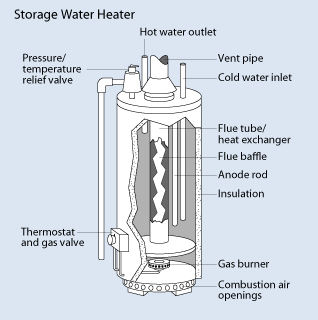
Understanding the anode rod in your water heater is crucial. This small component plays a big role in extending the life of your appliance. An anode rod is a metal rod that hangs inside the tank. Its main job is to protect the tank from rust. Let’s dive into the basics of this essential part.
Anode Rod Composition
Anode rods come in various materials. Common ones include magnesium, aluminum, and zinc. Each material serves different water conditions. Magnesium rods are often preferred for their efficiency. They work well in soft water environments. Aluminum rods are better for hard water areas. Zinc rods help with odors in the water heater.
How Anode Rods Work
Anode rods attract corrosive elements in the water. These elements eat away at the rod instead of the tank. This process is called “sacrificial action.” The rod sacrifices itself to save the tank. Over time, the rod gets eaten away completely. Regular replacement is necessary to ensure protection.
Signs Of A Worn Anode Rod
Look for rusty or cloudy water. This can indicate a failing anode rod. Strange smells from hot water can also be a sign. Hearing popping noises from the tank is another clue. Regular inspection can prevent costly damage.
Replacing An Anode Rod
Replacement involves a few simple steps. First, turn off the water heater. Drain some water from the tank. Locate the anode rod on the top of the tank. Use a wrench to unscrew it. Install a new rod by screwing it in place. Check for leaks and resume operation.
Purpose Of The Anode
The anode in a water heater might seem like a small, hidden part, but it plays a crucial role in extending the life of your appliance. Imagine the frustration of running out of hot water during a shower due to a corroded water heater. The anode is your first line of defense against such inconveniences, safeguarding your investment and ensuring a steady supply of hot water.
What Is The Purpose Of The Anode?
The main purpose of the anode in a water heater is to prevent corrosion. Water heaters are constantly exposed to water, which can lead to rust and deterioration. The anode, typically made of magnesium or aluminum, serves as a sacrificial component to attract corrosive elements, thereby protecting the tank.
Consider how often you use hot water daily. Whether it’s for a morning shower or washing dishes, a functioning water heater is essential. The anode ensures that the tank remains in good condition, so you don’t have to worry about unexpected breakdowns.
How Does The Anode Work?
The anode works through a process called electrolysis. It attracts corrosive ions that would otherwise attack the steel walls of the water heater. Over time, the anode corrodes instead of the tank, preserving the integrity of the water heater.
This process might sound technical, but it’s simple in practice. The anode selflessly takes on the corrosion, much like a knight shielding a castle. Have you ever checked your water heater’s anode? If not, it might be time to give it some attention. Regular inspection can prevent costly repairs and extend the life of your heater.
When Should You Replace The Anode?
Replacing the anode is crucial once it has worn down significantly. Typically, an anode lasts around three to five years. However, water quality and usage can affect this timeline. So, checking it every two years is a good practice.
Think about the last time you had a major appliance fail. The hassle and expense of replacing it could have been avoided with a little maintenance. Regularly replacing the anode is a simple way to avoid such headaches.
By understanding and maintaining the anode, you’re not just prolonging the life of your water heater but also ensuring your daily routines remain undisturbed. Next time you enjoy a warm shower, you might just appreciate that little anode working tirelessly behind the scenes.
Types Of Anode Rods
Understanding the types of anode rods in a water heater can make a significant difference in the longevity and efficiency of your appliance. The role of an anode rod is crucial as it helps prevent corrosion by attracting corrosive elements in the water, thus protecting the tank.
But did you know that the type of anode rod you choose can influence how well it performs? Let’s explore the different types of anode rods available and see which one might be best suited for your needs.
Magnesium Anodes
Magnesium anodes are a popular choice due to their effectiveness in soft water conditions. They work by sacrificing themselves for the tank, which means they corrode instead of your water heater tank.
This leads to a longer lifespan for your appliance. However, magnesium rods deplete faster in hard water. Are you living in an area with soft water? Then, a magnesium anode might be your best bet.
Aluminum Anodes
Aluminum anodes are generally more affordable than magnesium rods and are particularly effective in hard water conditions. They tend to last longer but may not perform as well in soft water. If cost is a concern and you’re dealing with hard water, aluminum rods could be a practical solution. But have you considered the potential health concerns? Some people prefer to avoid aluminum due to its potential link to health issues.
Zinc Anodes
Zinc anodes are actually a combination of aluminum and a small amount of zinc. They are specifically designed to combat rotten egg odors caused by bacteria in the water. If you’ve ever experienced this unpleasant smell, a zinc anode could be a game-changer. While they’re not as commonly used as the other two, they offer a unique solution to specific problems. Could this be the missing piece to your water heater woes?
Choosing the right anode rod can be a small yet impactful decision. Have you assessed your water conditions recently? Understanding what you need could save you time, money, and hassle down the road.

Credit: www.kingheating.com
Signs Of Anode Rod Failure
Understanding the signs of anode rod failure in your water heater can save you time and money. The anode rod plays a crucial role in preventing rust inside your tank, but over time, it can wear out. Recognizing the warning signals early allows you to take action before more serious issues develop.
Unusual Water Odor
Has your hot water started smelling strange? If you notice a rotten egg smell, it might be time to check your anode rod. This odor is often a sign that the rod is no longer effectively protecting your tank from corrosion. The sulfur reaction with bacteria in the water can be unpleasant, and replacing the rod could clear it up.
Discolored Water
Is your water looking rusty or cloudy? Discoloration is another indicator of anode rod failure. When the rod deteriorates, it fails to attract rust, which means your tank might start corroding. This can lead to rusty water emerging from your taps. If left unchecked, it may affect your plumbing and appliances.
Unusual Noises
Have you heard strange noises from your water heater? Popping or crackling sounds can suggest sediment buildup due to a failing anode rod. This sediment can cause inefficiency and wear on your water heater. Listen closely the next time your heater kicks in; it could be your cue to inspect the rod.
Reduced Hot Water Supply
Is your hot water running out faster than usual? A worn-out anode rod can lead to inefficiency, reducing the amount of hot water available. If your showers are suddenly colder, consider checking the rod. Replacing it might restore your heater’s efficiency and your comfort.
Spotting these signs early can help prevent costly repairs or replacements. Have you checked your anode rod lately? Maintaining your water heater doesn’t just protect your investment; it ensures your home stays comfortable and functional.
Replacing The Anode Rod
An anode rod in a water heater prevents rust by attracting corrosive elements. This sacrificial component ensures the tank’s longevity. Replacing the anode rod regularly helps maintain the heater’s efficiency.
Replacing the anode rod in a water heater is a simple yet crucial task that can significantly extend the life of your appliance. The anode rod acts as a sacrificial component, attracting corrosive elements in the water to prevent them from rusting the tank.
Regularly replacing this rod can save you from costly repairs or a complete water heater replacement. Have you ever wondered why your water heater suddenly stops working efficiently? It might just be a worn-out anode rod. Let’s dive into the essential tools and steps you’ll need to tackle this task yourself.
Tools Needed
Before you start, gather the right tools. Having everything on hand makes the process smoother and quicker.
- Socket Wrench: A must-have for loosening the rod.
- Teflon Tape: Ensures a snug fit when installing the new rod.
- Pipe Wrench: Useful if the rod is particularly stubborn.
- Flashlight: Handy for seeing inside the water heater.
- Garden Hose: Needed to drain the tank.
These tools are commonly found in most households, making it easy to get started without a trip to the store.
Step-by-step Guide
Now, let’s walk through the replacement process step by step.
1. Turn Off the Power and Water Safety first. If you have an electric water heater, switch off the power at the circuit breaker. For gas heaters, turn the thermostat to the “pilot” setting. Shut off the water supply to prevent any unwanted leaks.
2. Drain the Tank Attach a garden hose to the drain valve at the bottom of the tank. Direct the other end of the hose to a suitable drainage area and open the valve. This step might take a while, but it’s essential to prevent water spillage.
3. Locate and Remove the Anode Rod The anode rod is typically located on the top of the heater. Use a socket wrench to loosen and remove it. If it’s stuck, a pipe wrench can provide the extra leverage needed.
4. Inspect and Replace the Rod Check the condition of the anode rod. If it’s heavily corroded or worn down to less than half an inch thick, it’s time for a replacement. Wrap the threads of the new rod with Teflon tape and insert it into the tank, tightening it securely.
5. Refill the Tank and Restore Power Close the drain valve and remove the hose. Turn the water supply back on and let the tank fill. Once full, restore power or adjust the gas setting back to normal.
Replacing your anode rod can be surprisingly satisfying. Not only do you learn something new, but you also ensure your water heater’s longevity. Are you ready to tackle this maintenance task and keep your water heater in top shape?
Credit: meticulousplumbing.com
Extending Water Heater Lifespan
Water heaters are essential appliances in our homes, yet we often overlook their maintenance. Extending the lifespan of your water heater can save you money and prevent unexpected cold showers. One critical component that plays a significant role in this is the anode.
Understanding The Anode’s Role
The anode is a metal rod inserted into the water heater. Its primary purpose is to attract corrosive elements. Think of it as a sacrificial protector. By attracting these elements, the anode prevents the tank from corroding. This simple mechanism can significantly extend your heater’s lifespan.
Regular Inspection And Replacement
Have you checked your anode recently? Regular inspection can prevent costly repairs. Anodes typically last 3 to 5 years, but water quality and heater usage can affect this. Replace the anode before it’s completely corroded. This proactive approach ensures your heater runs smoothly.
Benefits Of Proactive Maintenance
Maintaining your water heater can save you from unexpected breakdowns. A well-maintained heater is more efficient, reducing energy bills. You’ll enjoy hot water consistently, without disruptions. Plus, extending its lifespan means delaying the need for a costly replacement.
Diy Or Professional Help?
Thinking about tackling this yourself? Replacing an anode can be a DIY task. Ensure you have the right tools and follow safety precautions. Not comfortable doing it yourself? Hire a professional. They can offer expertise and peace of mind. Weigh your options based on your comfort level.
Personal Experiences And Insights
Last year, I ignored my heater’s maintenance. The result? Rusty water and an expensive repair bill. Learning from my mistake, I now replace the anode regularly. It’s a small effort for big savings. What’s your current maintenance strategy? Could a simple change extend your heater’s life?
By focusing on the anode, you can ensure your water heater remains efficient. Regular maintenance is key, and understanding the role of the anode can provide peace of mind and financial savings. How will you take action today?
Conclusion
Understanding an anode in a water heater is crucial. It prevents rust and extends the heater’s life. Regular checks ensure it functions well. Replacing it when needed can save money. Maintenance is simple yet effective. Anodes protect your investment. They keep your water heater running smoothly.
So, remember to inspect them regularly. A little attention goes a long way. With proper care, your water heater stays efficient. Enjoy hot water without worries. Keep your system in top condition. It’s easy and worth the effort.