Is your tankless water heater not working in cold weather when you need it most? It’s frustrating to turn on the tap and get nothing but chilly water.
You rely on your heater for comfort and convenience, especially during freezing temperatures. But why does it struggle when the cold sets in? You’ll discover the common reasons behind this problem and easy steps you can take to fix it fast.
Keep reading to make sure your water heater stays reliable all winter long.
Credit: villageplumbing.com
Common Issues In Cold Weather
Tankless water heaters often face problems during cold weather. Low temperatures affect their normal function. Understanding common issues helps in quick fixes and better care.
Freezing Pipes
Freezing pipes block water flow to the heater. Water inside pipes turns to ice and expands. This can damage pipes and stop hot water supply. Insulating pipes is key to prevent freezing. Keep the heater area warm to avoid ice buildup.
Reduced Water Flow
Cold weather can reduce water flow to the heater. Frozen or narrowed pipes limit the water amount. Less water means the heater cannot work well. Check for blockages or ice in the pipes. Clear pipes ensure steady water flow and heater function.
Power Supply Problems
Cold weather may cause power issues for tankless heaters. Freezing temperatures can affect electrical connections. Power interruptions stop the heater from working. Inspect power cords and connections for damage. Use a reliable power source to keep the heater running.
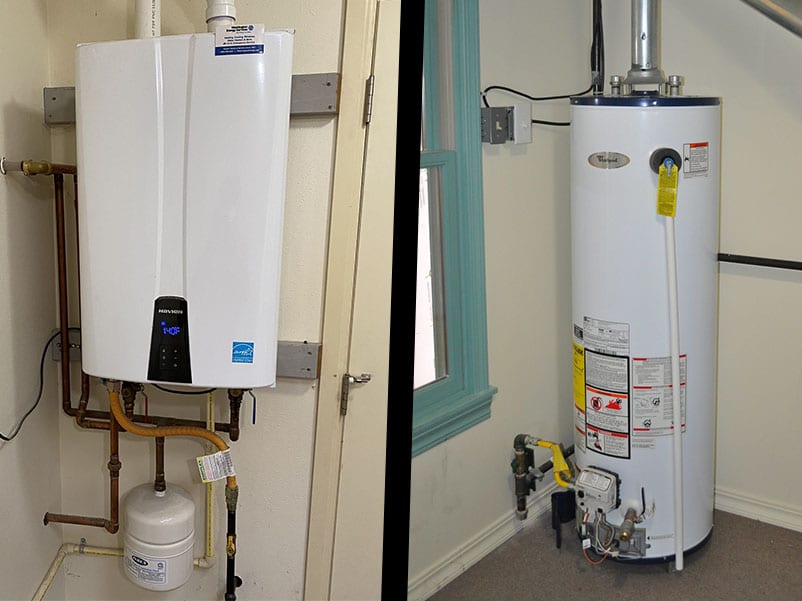
Credit: www.healingwithhorsesranch.org
Signs Of A Malfunctioning Heater
Tankless water heaters can struggle in cold weather. Knowing the signs of a malfunction helps avoid bigger problems. Watch for changes in water heat and unusual signals from the unit. These clues tell you when the heater needs attention.
No Hot Water Output
No hot water is the clearest sign of trouble. The heater might not turn on or fail to heat the water. This issue often appears during cold days when the unit works harder. Check the heater if water stays cold or lukewarm.
Inconsistent Water Temperature
Water temperature that changes suddenly means the heater has a problem. One moment it is hot, the next it is cold. This inconsistency can happen if the heater struggles to keep up in cold weather. It signals that the system may need repair or maintenance.
Error Codes And Indicators
Many tankless water heaters show error codes or lights. These indicators warn of malfunctions inside the unit. Pay attention to blinking lights or error numbers on the display. Refer to the manual to understand what each code means and act quickly.
Preventive Measures
Tankless water heaters can struggle in cold weather. Taking steps to protect your unit helps keep hot water flowing. Preventive measures reduce the risk of freezing and damage. Simple actions can make a big difference in cold months.
Proper Insulation Techniques
Insulate pipes and the water heater itself. Use foam pipe covers to protect exposed pipes. Wrap the tankless unit with an insulated blanket made for appliances. Keep cold air away from the heater. This helps keep water warm and prevents freezing.
Using Heat Tape
Heat tape is an electric cable that warms pipes. Wrap it around water pipes near the heater. Plug it in to keep pipes above freezing. Choose heat tape with a built-in thermostat for safety. This prevents ice build-up and ensures steady water flow.
Maintaining Adequate Water Flow
Keep water moving through your pipes to stop freezing. Run a slow drip from faucets during very cold nights. This reduces pressure and ice formation inside pipes. Make sure the heater is working properly and water flow is steady. Proper flow protects the heater and pipes in cold weather.
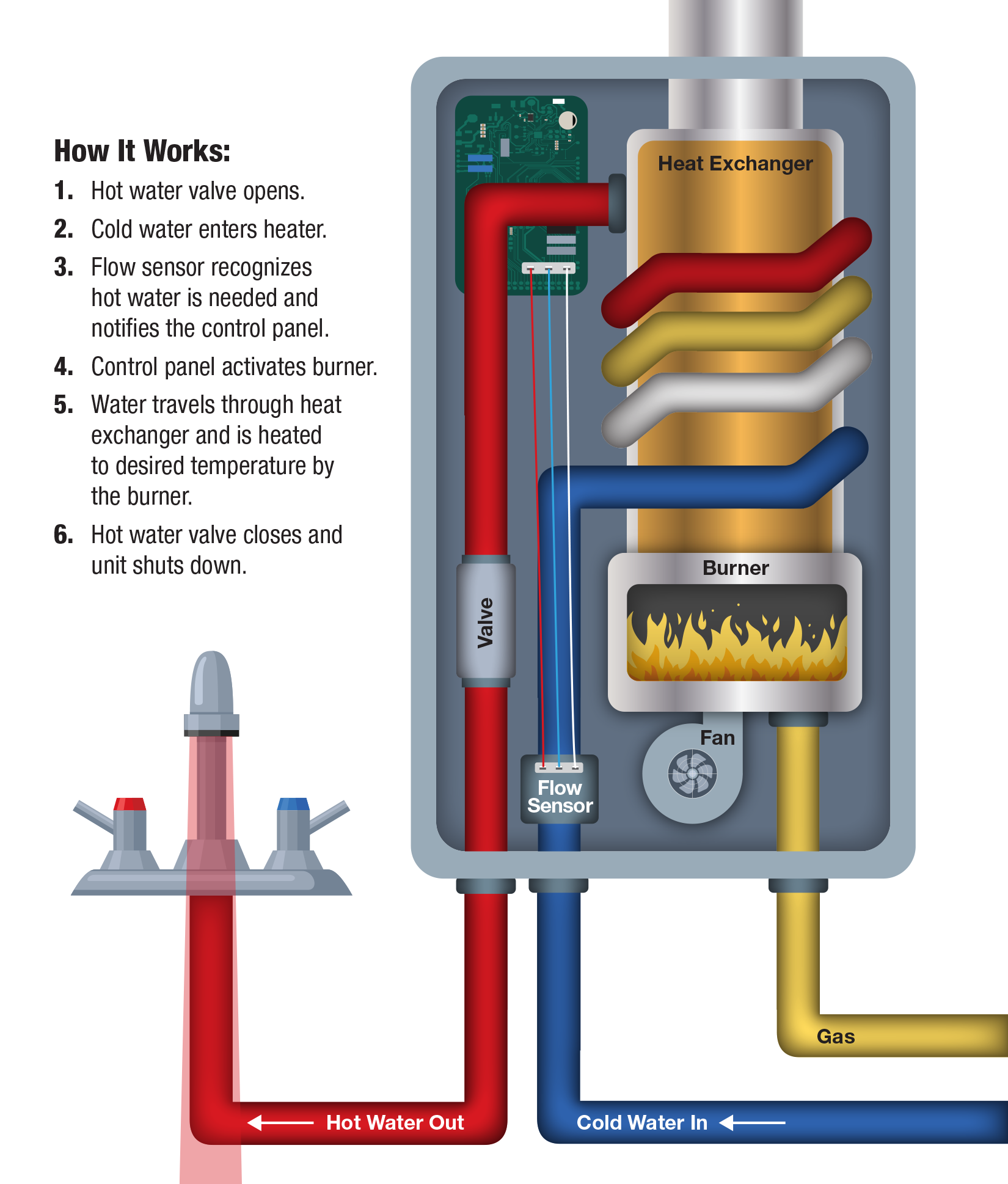
Credit: www.funphotobooth.com.br
Troubleshooting Steps
Troubleshooting a tankless water heater that stops working in cold weather can help restore hot water quickly. The problem might be simple and easy to fix. This guide covers basic steps anyone can follow. Start with the power and gas supply, then check for frozen parts, and finally try resetting the system.
Checking Power And Gas Supply
First, ensure the water heater has power. Check the circuit breaker or fuse box. Make sure the switch is on. For gas models, confirm the gas valve is open. Look for any gas leaks or smell. If no power or gas reaches the unit, it won’t heat water.
Inspecting For Frozen Components
Cold weather can freeze pipes or parts inside the heater. Inspect visible pipes for ice or frost. Frozen pipes block water flow and damage the heater. Warm the pipes gently using a hairdryer or warm towels. Never use open flames. Check the outdoor unit for ice buildup.
Resetting The System
Resetting can clear error codes and restart the heater. Turn off the power supply first. Wait for a few minutes. Turn the power back on. Some models have a reset button—press it if available. After reset, check if the heater runs normally. This step often fixes minor glitches.
When To Call A Professional
Knowing when to call a professional for your tankless water heater is important. Cold weather can cause issues that need expert care. Some problems are too complex or risky to handle alone. Understanding these signs helps keep your heater safe and working well.
Complex Repairs
Some repairs need special tools and skills. Problems like broken heating elements or damaged sensors require professional help. Trying to fix these yourself can cause more damage. A trained technician can find the root cause and fix it properly.
Regular Maintenance Needs
Tankless water heaters need regular check-ups to work well. Professionals can clean parts, check for leaks, and test the system. Regular maintenance stops small problems from growing. It also extends the heater’s life during cold months.
Safety Concerns
Gas leaks or electrical issues can be dangerous. If you smell gas or see sparks, call a professional right away. Proper repairs keep your home safe. Only experts should handle these risks to avoid accidents.
Upgrading For Cold Climates
Tankless water heaters can struggle in cold weather. Upgrading your system helps keep hot water flowing. Choosing the right model is key for cold climates. Features designed for low temperatures improve performance and reliability. Weighing cost against benefits ensures smart spending. This guide helps you pick a heater fit for cold conditions.
Models Designed For Low Temperatures
Some tankless water heaters are made for cold weather. They have stronger heating elements. These models warm water faster, even in freezing temperatures. Insulated pipes reduce heat loss. Outdoor units often include freeze protection. Choose units labeled for cold climate use. These heaters handle winter better than standard models.
Additional Features To Consider
Look for built-in freeze protection. It prevents pipe damage from ice. Some models offer advanced temperature controls. This helps keep water steady and warm. Energy-efficient designs lower utility bills. Smart diagnostics warn of problems early. Easy installation options save time and cost. These features add value in cold regions.
Cost Vs. Benefit Analysis
Upgrading costs more upfront. Cold climate models may be pricier. Savings come from fewer repairs and less energy use. Reliable hot water reduces discomfort and inconvenience. Consider long-term benefits over initial price. A good heater lasts many years. Spending wisely avoids frequent replacements and outages.
Frequently Asked Questions
Why Is My Tankless Water Heater Failing In Cold Weather?
Cold weather can cause frozen pipes or reduced flow, affecting heater performance. Mineral buildup and insufficient insulation also cause failures.
How To Prevent Tankless Water Heater Freezing Issues?
Insulate pipes, use heat tape, and maintain minimum flow during freezing temperatures. Regular maintenance helps avoid freezing problems.
Can Cold Weather Reduce Tankless Water Heater Efficiency?
Yes, cold water entering the unit requires more energy to heat. Efficiency drops if the heater struggles to reach set temperatures.
What Maintenance Helps Tankless Water Heaters In Winter?
Flush the system to remove mineral deposits. Inspect and insulate pipes. Check for proper venting and clear any obstructions.
Conclusion
Cold weather can affect your tankless water heater’s performance. Keep pipes insulated to avoid freezing. Regular maintenance helps your heater work well. Check for blockages or ice buildup outside. Small fixes can save you big problems later. Stay warm and enjoy steady hot water all winter.
Don’t wait for issues to grow—act early for best results.