
Is your water heater acting up and leaving you with cold showers? Knowing where the reset button is can save you time, money, and frustration.
You’ll discover exactly where to find your water heater reset button and how to use it safely. By the end, you’ll feel confident tackling this simple fix on your own—no need to wait for a costly plumber. Keep reading to get your hot water flowing again quickly!
Why Reset Button Matters
The reset button on a water heater is a key safety feature. It stops the heater from getting too hot. This helps to avoid accidents like fires or burns. The button works by cutting power to the heater when needed.
Many common problems can be fixed by pressing this button. These include the water not heating, the heater shutting off suddenly, or strange noises from the unit. It acts like a quick fix to restart the system safely.
Knowing where the reset button is helps in an emergency. Usually, it’s on the heater’s thermostat or near the top. Pressing it resets the heater’s safety switch and can restore normal function.
Credit: www.youtube.com
Where To Find The Reset Button
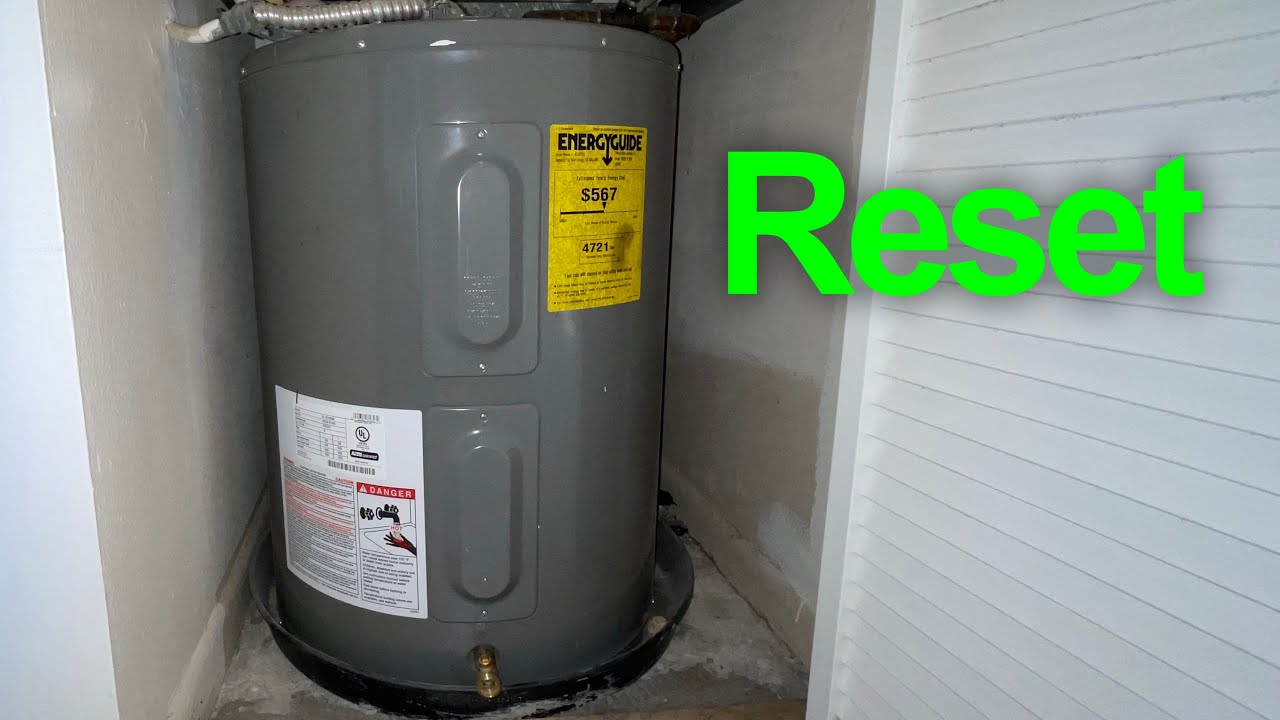
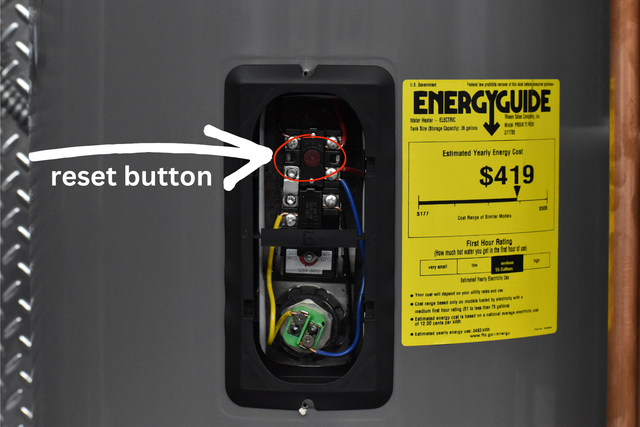
The reset button is a small red or black button on your water heater. It helps to fix the heater if it stops working. For electric water heaters, the reset button is usually behind the access panel. You need to remove the panel to see it near the thermostat. It looks like a small button you can press.
On gas water heaters, the reset button is less common. Instead, you may find a pilot light or a gas control valve. Sometimes, the reset is part of the gas valve knob. Check around the front lower part of the heater for these parts.
Tankless water heaters often do not have a reset button. They use electronic controls or a remote panel. Look for a reset option on the control board or in the user manual. Always turn off power before pressing any reset.
How To Reset Your Water Heater
First, turn off power to the water heater at the circuit breaker. This stops any accidents.
Next, locate the reset button. It is usually under a metal panel on the heater’s front.
Remove the panel carefully. You might need a screwdriver.
Press the red reset button firmly. You should feel a click.
Replace the metal panel. Turn the power back on at the breaker.
Wait a few minutes. The heater should start working again.
| Safety Tips |
|---|
| Always turn off power before touching the heater. |
| Use a screwdriver to remove panels carefully. |
| Do not press the reset button more than once. |
| Call a professional if the heater does not reset. |
Credit: www.uswhpro.com
Troubleshooting After Reset
Resetting the water heater may fix small problems quickly. Sometimes, pressing the reset button does not solve the issue. This could mean there are bigger problems inside the heater.
Signs of deeper problems include:
- No hot water after reset
- Water heater keeps shutting off
- Strange noises like popping or banging
- Water leaks around the heater
- Burning smell near the unit
These signs show the heater may need professional repair or part replacement. Ignoring these can cause damage or danger. Safety first.
Tips To Prevent Reset Issues
Regularly check your water heater for any signs of wear or damage. Flush the tank every six months to remove sediment buildup. This helps keep the heater working well and stops reset problems. Clean the area around the heater to prevent dust from causing issues.
Use the water heater as the manufacturer suggests. Avoid setting the temperature too high; 120°F is safe and efficient. Don’t turn the heater on and off often. Sudden changes can cause the reset button to trip. Make sure the power supply is stable and not overloaded.
Credit: www.mrrooter.ca
Conclusion
Finding the water heater reset button is simpler than it seems. Usually, it sits behind a small panel on the heater’s front or side. Pressing the button can fix many common issues quickly. Remember to turn off the power before you press it.
If the problem stays, calling a professional is the safest step. Knowing this button’s location helps you handle minor troubles fast. Keep this tip in mind to save time and avoid extra costs. Safe and warm water is just a button away.