
Insulating hot water pipes can reduce heat loss, improve delivery temperature, and help protect exposed plumbing from condensation or freezing. The right material depends on pipe size, location, moisture exposure, and how much coverage you need.
We compared 10 practical options, from pre-sized foam sleeves to flexible foil-backed and self-adhesive wraps, so you can choose insulation that fits your plumbing project and installation method.
Best 10 Pipe Insulation for Hot Water Pipes Picks for 2026
Foil-Backed Fiberglass Pick
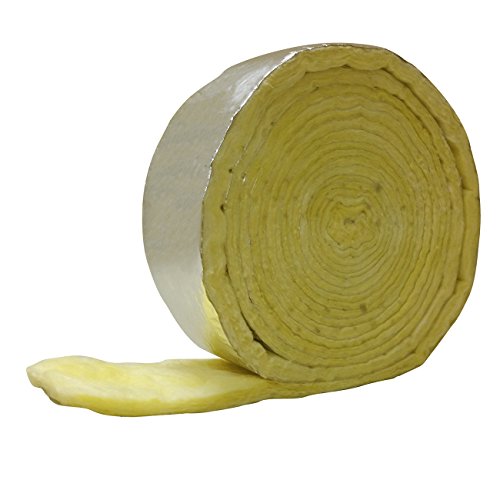
- 1-inch foil-backed fiberglass construction
- 25 feet of coverage for longer runs
- Vapor barrier helps limit pipe sweating
Best For: Long pipe runs needing broad, foil-backed coverage
Flexible Rubber Tube Pick

- 3/8-inch wall with closed-cell construction
- 6-foot cut-to-length tube
- Rated from -58°F to 230°F
Best For: Compatible 1-inch OD water lines and smaller projects
Easy-Install Foam Stick Pick

- Four 3-foot pre-slit foam sticks
- 12 feet of total coverage
- Safe for temperatures up to 212°F
Best For: 3/4-inch ID copper pipes and simple DIY installation
Outdoor Wrap Pick
Foil-Backed Cotton Pipe Insulation

- 15-foot flexible insulation wrap
- Foil backing helps reduce heat loss
- Designed for hot, cold, and outdoor pipes
Best For: Outdoor pipes, RV lines, and irregular shapes
Flexible Foam Wrap
Self-Adhesive Pipe Insulation Tape

- 2-inch-wide, 33-foot foam tape
- Helps insulate hot and cold pipes
- Cuts and bends around irregular shapes
Best For: Flexible DIY wrapping for plumbing, HVAC, and AC lines
Outdoor Protection
Foil-Lined Insulation for 1/2-Inch Pipes

- Pre-slit fit for 1/2-inch pipes
- Neoprene foam with aluminum foil
- Eight pieces provide 10.5 feet total
Best For: Outdoor 1/2-inch pipes exposed to weather and freezing
Weather-Resistant Wrap
Outdoor Self-Adhesive Pipe Tape

- 16.5-foot flexible foam roll
- Weather-resistant for exposed pipes
- 302°F upper temperature rating
Best For: Outdoor water, HVAC, and AC lines with bends or irregular shapes
Flexible Foam Tape Wrap

- 33-foot cut-to-size roll
- Flexible for irregular pipe shapes
- Suitable for hot or cold pipes
Best For: Custom wrapping around mixed or awkward pipe runs
Heavy-Duty Tube Pack

- 20 tubes totaling 26.2 feet
- 0.59-inch wall thickness
- Waterproof rubber foam and aluminum film
Best For: 1-inch water-heater and outdoor pipe projects
Compact Tube Pack
3/4-Inch Pipe Insulation Covers
- 20 sections covering 26.2 feet
- Sized for 3/4-inch pipes
- Pre-seamed, self-adhesive design
Best For: 3/4-inch water-heater and outdoor plumbing lines
Foil-Backed Fiberglass Pick – Frost King Pipe Wrap
For homeowners comparing pipe insulation for hot water pipes, the Frost King foil-backed fiberglass wrap offers a 1-inch-thick layer designed to reduce heat loss. Its vapor barrier also helps limit sweating on cold-water pipes, and the 25-foot roll supports longer runs.
Best For: Long straight pipe runs where foil-backed fiberglass insulation and a vapor barrier are useful.
Pros:
- Foil backing helps reduce wasteful heat loss from hot-water pipes.
- Vapor barrier helps prevent condensation on cold-water pipes.
- Simple, one-step installation with a 25-foot roll.
Cons:
- The 1-inch thickness may be bulky in tight spaces.
- Fiberglass wrap requires careful handling during installation.
This is a practical choice when coverage length and heat-loss reduction matter more than a compact pre-slit tube design.
Flexible Rubber Tube Pick – 1-Inch ID Foam Insulation
This foam tube is a compact option for pipe insulation for hot water pipes, PEX, PE, and HVAC lines. Made from nitrile rubber, it has a closed-cell structure, 3/8-inch wall, and a stated working range of -58°F to 230°F.
Best For: 1-inch outside-diameter water lines and other compatible pipes needing cut-to-length insulation.
Pros:
- Closed-cell construction supports thermal insulation.
- Flexible tubing can be cut to the length needed.
- Non-absorbent rubber offers good surface grip.
- Suitable for temperatures from -58°F to 230°F.
Cons:
- The package provides only 6 feet of tubing.
- It is not pre-cut, so installation requires measuring and cutting.
- Inner diameter must be confirmed before purchase.
Its flexible, cut-to-length format suits smaller projects, but careful pipe-diameter matching is essential before ordering.
Easy-Install Foam Stick Pick – Duck Brand Pipe Covers
Duck Brand Insulating Foam Pipe Covers, 0.75-Inch by 3-Feet, Pack of 4 Sticks, 1285241
Check Price On AmazonFor pipe insulation for hot water pipes, these Duck Brand foam covers provide 12 feet of total coverage in four 3-foot sticks. They are pre-slit for easier installation around curved pipes, with self-sealing edges to help secure the covers.
Best For: 3/4-inch inside-diameter copper pipes and DIY installations needing pre-slit foam covers.
Pros:
- Designed for both hot and cold pipes.
- Pre-slit format simplifies opening and installation.
- Self-sealing edges make securing the covers easier.
- Safe for temperatures up to 212°F.
Cons:
- Fit is specified for 3/4-inch inside-diameter copper pipes.
- Each stick is only 3 feet long, so multiple joins may be needed.
- The supplied details identify the material type as copper, so compatibility should be checked for other pipe materials.
This pack is convenient for straightforward residential work, especially when matching the specified copper-pipe size and preferring pre-slit installation.
Outdoor Wrap Pick – Foil-Backed Cotton Pipe Insulation
This flexible wrap is a versatile option for pipe insulation for hot water pipes, with foil backing intended to reduce heat radiation loss. The 15-foot roll is also designed to help limit condensation and protect outdoor water pipes from freezing.
Best For: Outdoor, residential, commercial, or RV applications involving hot or cold water pipes and lines.
Pros:
- Foil-backed cotton construction helps retain heat on hot pipes.
- Flexible wrap can bend around different shapes.
- Suitable for hot and cold pipes, including exterior pipes and RV water hoses.
- Non-adhesive design is simple to wrap and secure.
Cons:
- At 2 inches wide, coverage is narrower than many tube-style insulators.
- It must be secured during installation because it is non-adhesive.
- The 15-foot roll may require additional material for extensive pipe networks.
This wrap stands out for flexible outdoor use and mixed hot-and-cold applications, provided you are prepared to secure the non-adhesive material in place.
Flexible Foam Wrap – Self-Adhesive Pipe Insulation Tape
This 2-inch-wide foam tape is a versatile option for pipe insulation for hot water pipes, while also helping reduce condensation on cold lines. Its flexible, self-adhesive design is easy to cut and wrap around corners, elbows, and irregular shapes.
Best For: DIY insulation of hot and cold water pipes, HVAC lines, AC systems, and plumbing connections.
Pros:
- Helps retain heat in hot pipes and minimize condensation on cold pipes.
- High-density foam resists deformation under compression.
- Flexible, easy to cut, and suitable for irregular pipe shapes.
- Strong adhesive is designed to remove cleanly without sticky residue.
Cons:
- At 0.13 inches thick, it may provide less insulation than thicker tube-style products.
- Works best on clean, dry surfaces for proper adhesion.
With 33 feet of coverage and a broad range of uses, this tape is a practical choice when you need adaptable insulation rather than a pre-sized sleeve. It is especially convenient for mixed plumbing or HVAC projects.
Outdoor Protection – Foil-Lined Insulation for 1/2-Inch Pipes
Designed specifically for 1/2-inch pipes, this pre-slit foam tube provides a more structured approach to pipe insulation for hot water pipes. Its neoprene construction and aluminum foil surface help with thermal protection, waterproofing, weather exposure, and winterizing.
Best For: Outdoor 1/2-inch hot or cold water pipes that need protection from heat loss, freezing, moisture, and sun exposure.
Pros:
- Pre-slit design fits 1/2-inch pipes for quick installation.
- Aluminum foil layer adds wear resistance and supports weather protection.
- 0.4-inch neoprene insulation helps retain hot-water temperature.
- Eight 15.7-inch pieces provide 10.5 feet of total coverage.
Cons:
- Designed for 1/2-inch pipes, so compatibility is limited by pipe diameter.
- Total coverage is shorter than the 33-foot roll in this roundup.
This is the most purpose-built option here for exposed 1/2-inch piping. The pre-cut sections simplify installation, while the foil outer layer is useful where outdoor weather and surface wear are concerns.
Weather-Resistant Wrap – Outdoor Self-Adhesive Pipe Tape
This 2-inch-wide foam wrap is a practical choice for pipe insulation for hot water pipes when you need a flexible roll that can conform to different shapes. Its weather-resistant construction and integrated fabric adhesive also suit exposed water, HVAC, and AC lines.
Best For: Outdoor pipes, elbows, and mixed-material plumbing or HVAC lines requiring flexible weather and temperature protection.
Pros:
- Flexible rubber foam conforms to various pipe shapes and elbows.
- Water-resistant and designed to withstand rain, snow, wind, sun, and heat.
- Self-adhesive fabric backing sticks to materials including PVC and metal.
- 302°F upper temperature rating supports hot-pipe applications.
Cons:
- At 16.5 feet, it provides less coverage than the 33-foot foam tape.
- The 1/8-inch thickness may offer less thermal buffering than thicker insulation.
- Best results depend on securely wrapping and adhering the tape.
This roll stands out for outdoor use, especially where weather resistance and strong adhesion matter. Its flexibility makes it easier to cover bends and nonstandard pipe layouts than rigid insulation sections.
Flexible Foam Tape Wrap – Adhesive Pipe Insulation Tape
For targeted pipe runs, the QWORK wrap is a flexible option for pipe insulation for hot water pipes and cold-water lines. Its 33-foot roll can be cut with scissors or cutters and bent around different shapes, making it useful where rigid tubes are difficult to fit.
Best For: Wrapping irregularly shaped or mixed hot- and cold-water pipes with a cut-to-size material.
Pros:
- 33-foot roll provides substantial wrap length.
- Flexible foam can be cut and shaped to fit different applications.
- Designed for hot or cold pipes and helps address moisture and condensation on cold-water lines.
- Application, removal, and storage require minimal effort and are intended to leave no residue.
Cons:
- At 1/8 inch thick, it provides less material thickness than the 0.59-inch tube options listed here.
- Wrapping requires more manual fitting than a preformed pipe cover.
This is a practical pick when flexibility matters more than a molded fit. Measure the pipe and plan the wrap overlap before installation for the most consistent coverage.
Heavy-Duty Tube Pack – 1-Inch Pipe Insulation Covers
This 20-pack uses pre-seamed foam tubes for straightforward pipe insulation for hot water pipes, sprinkler lines, spigots, and outdoor plumbing. With 26.2 feet of total tube length and a 1-inch listed size, it suits projects where consistent tubular coverage is preferred.
Best For: Insulating 1-inch pipes, water-heater lines, and outdoor plumbing with ready-to-install tube sections.
Pros:
- Includes 20 sections totaling 26.2 feet.
- 0.59-inch wall thickness offers substantial foam coverage.
- Rubber foam and aluminum film are described as waterproof, oil-resistant, and dust-resistant.
- Pre-seam and self-adhesive design simplifies clipping, wrapping, and securing the tubes.
Cons:
- Short 1.31-foot sections may require multiple seams on longer pipe runs.
- The listed 1-inch size must match the pipe diameter for a suitable fit.
Choose this pack when you want thicker, preformed insulation rather than a roll. Confirm the pipe’s outside diameter and account for the 20 individual sections before ordering.
Compact Tube Pack – 3/4-Inch Pipe Insulation Covers
Designed for smaller lines, this 20-pack is a convenient choice for pipe insulation for hot water pipes when the pipe measures 3/4 inch. The pre-seamed tubes have 0.59-inch walls, can be cut to length, and are intended for water pipes, outdoor plumbing, and water-heater applications.
Best For: 3/4-inch water pipes, sprinkler lines, spigots, and outdoor plumbing needing sectioned foam covers.
Pros:
- Includes 20 pieces with 26.2 feet of total stated coverage.
- 0.59-inch wall thickness provides a substantial insulation layer.
- Self-adhesive pre-seam design supports quick installation.
- Rubber foam and aluminum film are described as water-, oil-, and dust-resistant.
Cons:
- Each tube is only 1.31 feet long, so longer installations need several joined sections.
- It is sized for 3/4-inch pipe; measuring before purchase is important.
This version is the better fit of the two tube packs when your plumbing uses 3/4-inch lines. Its cuttable sections make it adaptable, while the pre-seam keeps installation simpler than building coverage from flat tape.
How We Picked the Best Pipe Insulation for Hot Water Pipes
We selected products across the main insulation formats used for residential plumbing: foam tubes, fiberglass wrap, foil-backed insulation, cotton-based wrap, and adhesive foam tape. Our comparison focused on fit, coverage, installation difficulty, moisture resistance, flexibility, and suitability for exposed or hard-to-reach pipes.
Because pipe dimensions vary, we also considered whether each option is designed for a specific inside diameter or can be trimmed and wrapped around different pipe sizes. Product descriptions and intended uses were weighed carefully; always confirm the manufacturer’s temperature and installation guidance before use.
Quick Comparison
| Type | Best For | Main Advantage | Watch For |
|---|---|---|---|
| Foam tubes | Straight, accessible pipes | Fast installation and consistent coverage | Must match pipe diameter |
| Foil-backed wrap | Long runs and irregular areas | Flexible coverage with a reflective surface | Requires careful wrapping and securing |
| Self-adhesive foam tape | Valves, bends, and exposed sections | Easy to cut and conform | Adhesive performance depends on clean, dry surfaces |
| Fiberglass wrap | Higher-temperature applications | Useful around hot-water lines when properly installed | Needs protective handling and a secure outer layer |
Key Buying Factors for Pipe Insulation for Hot Water Pipes
Pipe Size and Shape
Measure the outside diameter of the pipe, not simply the nominal plumbing size. Foam sleeves work best when the inside diameter closely matches the pipe. For irregular layouts, tees, fittings, and bends, flexible wrap or tape is usually easier to install.
Temperature Rating
Choose insulation rated for hot-water service. Do not assume every foam product is suitable for high temperatures. Keep insulation away from direct flame, flue pipes, and other heat sources unless the product specifically permits that installation.
Moisture and Outdoor Exposure
For basements, crawl spaces, garages, or exterior plumbing, look for water-resistant materials or a protective facing. Outdoor insulation may still need weatherproofing, UV protection, and sealed joints to prevent water from reaching the pipe.
Coverage and Installation
Compare the total linear footage with the length of pipe you need to cover. Pre-cut tubes save time on straight runs, while rolls and tape reduce waste around fittings. Clean and dry the pipe, close seams securely, and avoid compressing insulation excessively.
Who Should Buy Which Pipe Insulation for Hot Water Pipes?
- For standard straight hot-water lines: Choose a correctly sized foam tube for quick, neat installation.
- For long runs: Consider foil-backed fiberglass or another roll-style wrap that provides broad coverage.
- For bends, valves, and fittings: Self-adhesive foam tape is easier to shape than rigid sleeves.
- For outdoor or freeze-prone plumbing: Select a water-resistant wrap or tube and plan for additional weather protection.
- For multiple small projects: Multi-pack foam covers can be economical for spigots, sprinkler lines, and short exposed sections.
Before ordering, verify the pipe’s outside diameter, the insulation’s temperature rating, the available length, and whether the adhesive or facing is appropriate for the installation environment. Proper sizing and sealed joints matter as much as the insulation material itself.