Are you unsure about the best temperature setting for your tankless hot water heater? Getting it right can save you money, keep your water comfortable, and even protect your home from damage.
But if the numbers on the dial confuse you, don’t worry—you’re not alone. You’ll discover exactly how to set your tankless hot water heater temperature for maximum comfort and efficiency. Keep reading to unlock simple tips that will make your hot water work smarter for you every day.
Credit: www.spazioinsitu.it
Ideal Temperature Range
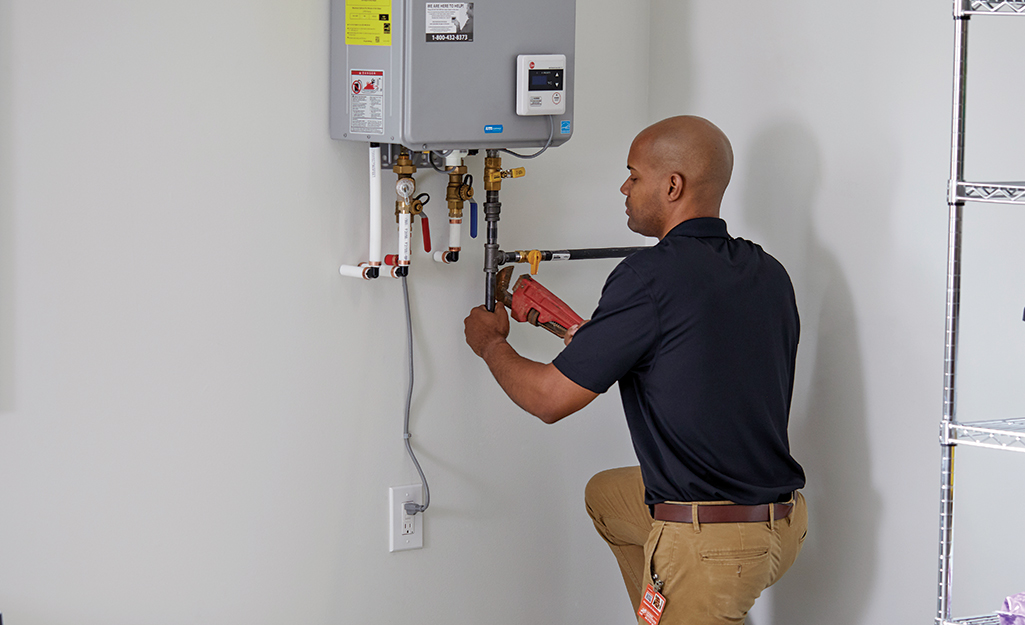
Setting your tankless hot water heater between 120°F and 140°F offers safe, comfortable water. This range prevents scalding while saving energy and reducing bacteria growth. Adjusting within this range fits most household needs.
Setting the right temperature on a tankless hot water heater is important. The ideal range keeps water hot enough for daily use. It also stops risks like burns or bacteria growth. Most experts suggest a temperature range that is safe and energy-friendly.
This range helps save money on energy bills. It also protects your family from hot water accidents. Finding the right balance is simple but key to comfort and safety.
Recommended Settings For Safety
Keep your water heater set between 120°F and 130°F for safety. This range prevents scalding injuries, especially for children and older adults. Water hotter than 130°F can cause burns quickly. Lower temperatures help reduce bacteria like Legionella.
Check your water temperature regularly. Use a thermometer to be sure it stays within the safe range. Adjust settings if the water feels too hot or too cold.
Balancing Comfort And Energy Use
Set the temperature to match your comfort needs and save energy. Temperatures near 120°F offer warm water without high energy costs. Higher settings increase energy use and risk of burns. Lower settings may feel chilly for showers or washing.
Test different temperatures to find what suits your household. Small changes can cut energy bills while keeping comfort high. This balance helps your home use water wisely and safely.
Credit: www.ferrariplumbing.net
Adjusting Temperature Settings
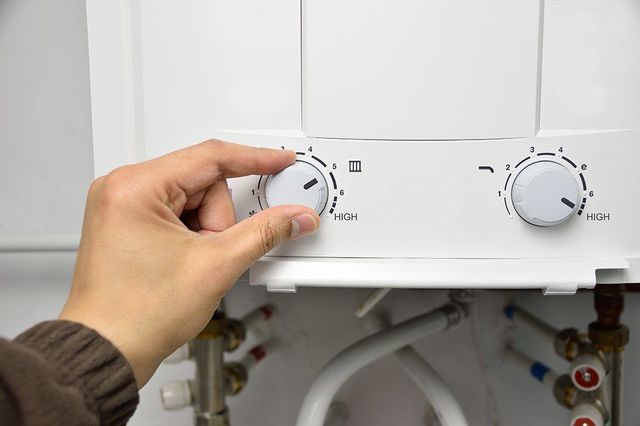
Adjusting the temperature settings on a tankless hot water heater is important for comfort and safety. Setting the right temperature helps avoid scalding and saves energy. Many units allow easy temperature changes to fit your needs. Follow clear steps to adjust your heater correctly.
Step-by-step Adjustment Guide
First, locate the temperature control on your heater. It may be on the unit or a remote panel. Turn off the heater before making changes. Use the control to increase or decrease the temperature. Adjust slowly and check the water temperature after each change. The ideal setting is usually between 110°F and 120°F. Avoid setting it too high to prevent burns. Turn the heater back on and test the water at different taps. Make small adjustments as needed for comfort and safety.
Using Digital Controls Vs. Manual Dials
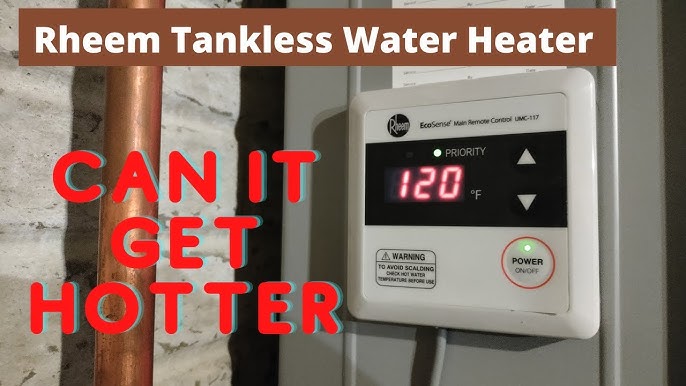
Digital controls offer precise temperature settings. You can see the exact temperature on a screen. Some models allow remote control via smartphone apps. Digital controls often have safety locks to prevent changes by children. Manual dials are simpler and usually found on older models. They require turning a knob to change temperature. Manual settings are less precise but still effective. Both types need careful adjustment to avoid overheating. Choose the control type that fits your comfort and ease of use.
Temperature And Energy Efficiency
Setting the right temperature on a tankless hot water heater affects both comfort and energy use. The temperature controls how much energy the heater uses to warm water. A higher setting means hotter water but more energy use. A lower setting saves energy but may not meet all needs. Finding the best balance helps save money and still provides enough hot water.
How Temperature Affects Energy Consumption
Energy use rises as you increase the water temperature. Heating water to a very high degree takes more power. This means your electric or gas bill will go up. Lower temperatures need less energy, which keeps costs down. Yet, water should be hot enough to avoid germs and bacteria. Around 120°F is a common setting that saves energy and keeps water safe.
Tips To Optimize Efficiency
Set the water heater to 120°F for good energy savings. Use water-saving fixtures to reduce hot water use. Fix leaks quickly to avoid wasting heated water. Insulate pipes to keep water warm longer. Schedule regular maintenance for better heater performance. These steps lower energy use and keep your home comfortable.
Preventing Scalding Risks
Tankless hot water heaters provide endless hot water but can get very hot. Setting the right temperature is important to stop burns. Scalding can happen quickly from water that is too hot. Safety should be the top priority for every home with a tankless system.
Safe Temperature Limits
Set your tankless water heater to a safe temperature. The ideal range is between 110°F and 120°F. This range keeps water hot enough for daily use but reduces burn risks. Water above 130°F can cause severe burns in seconds. Checking and adjusting temperature often helps keep your family safe.
Using Anti-scald Devices
Anti-scald devices add an extra layer of protection. These devices mix cold water with hot water to lower the temperature. They stop water from reaching unsafe heat levels at faucets or showers. Installing these devices is simple and cost-effective. They help protect children, elderly, and anyone with sensitive skin.
Troubleshooting Temperature Issues
Tankless hot water heaters offer efficient heating, but temperature problems can occur. These issues can cause water to be too hot or too cold. Troubleshooting helps identify the cause and fix it quickly. It saves time and avoids costly repairs.
Common Problems And Fixes
Water temperature might fluctuate. This can happen due to mineral buildup or a faulty thermostat. Cleaning the unit or adjusting the thermostat often solves the problem. Low water pressure can also affect temperature. Check for clogs or leaks in pipes. Resetting the heater may help if it stops heating. Always follow the manufacturer’s instructions for resets.
When To Call A Professional
Persistent temperature problems need expert help. If the water stays too hot or cold after basic fixes, call a technician. Electrical or gas issues require trained hands. Professionals can safely inspect and repair the unit. Do not try complex repairs alone. Safety comes first with hot water heaters.
Impact On Water Heater Lifespan
The temperature setting of a tankless hot water heater plays a key role in its lifespan. Setting the temperature too high can stress the system. This stress can cause parts to wear out faster. Keeping the right temperature helps the heater last longer. It also saves energy and prevents damage.
Effects Of High Temperature Settings
High temperatures make the heater work harder. The internal parts face more pressure and heat. This speeds up wear and tear. It can cause mineral buildup inside the heater. Over time, this buildup reduces efficiency. It may also lead to costly repairs or early replacement.
Maintenance Tips For Longevity
Regular maintenance keeps your heater healthy. Flush the system every six months to remove minerals. Check the temperature setting and lower it if too high. Clean or replace filters as needed. Inspect for leaks or corrosion often. These steps help the heater run smoothly and last longer.
Credit: www.youtube.com
Frequently Asked Questions
What Is The Ideal Temperature For Tankless Water Heaters?
The ideal setting is typically between 120°F and 130°F. This range ensures safety, energy efficiency, and comfortable hot water. Setting it too high risks scalding and wastes energy. Lower settings may reduce performance. Adjust based on household needs and climate for best results.
How To Adjust Temperature On A Tankless Water Heater?
Locate the control panel or thermostat on your unit. Use the buttons or dial to increase or decrease temperature. Refer to your model’s manual for specific instructions. Make small changes and test water temperature before finalizing settings to ensure comfort and safety.
Can Tankless Water Heaters Overheat Water?
Yes, if set above recommended temperatures, they can overheat water. Overheating poses burn risks and wastes energy. Most models have safety features to prevent extreme temperatures. Regularly check and maintain your heater to avoid overheating issues and ensure safe operation.
Why Is My Tankless Water Heater Temperature Inconsistent?
Temperature fluctuations can result from mineral buildup, improper settings, or demand exceeding capacity. Regular maintenance, including descaling, helps maintain consistent temperatures. Also, ensure the heater size matches household hot water needs. Adjust settings and consult a professional if problems persist.
Conclusion
Setting the right temperature for your tankless water heater saves energy and prevents burns. Keep it warm enough for comfort but not too hot to avoid risks. Regularly check and adjust the settings to match your household needs. Small changes can improve your water heater’s efficiency and lifespan.
Always follow safety guidelines when changing temperatures. This simple step ensures reliable hot water whenever you need it.