
Is your tankless water heater making a strange vibrating noise? That constant hum or rattle can be annoying and even worrying.
You might wonder if it’s a sign of a serious problem or just a minor glitch. Understanding why your water heater vibrates can save you from costly repairs and keep your home comfortable. You’ll discover the common causes behind that noise and easy steps you can take to fix it.
Keep reading to find out how to stop the vibration and enjoy peaceful, hot water again.
Common Causes Of Vibrating Noise
Vibrating noise from a tankless water heater can be annoying. It often signals an underlying problem. Understanding common causes helps to fix the issue quickly. This keeps your water heater running smoothly and quietly.
Loose Mounting Or Connections
Loose mounting brackets or fittings cause the unit to shake. Vibrations grow louder as water flows through. Tightening screws and bolts often stops the noise. Check all connections for firmness to avoid rattling sounds.
Water Pressure Issues
High water pressure can create vibrations inside pipes. It causes a humming or vibrating sound near the heater. Installing a pressure regulator helps maintain steady flow. This reduces noise and protects the system.
Sediment Buildup
Minerals settle inside the heater over time. Sediment buildup causes parts to vibrate and make noise. Flushing the tankless water heater removes these deposits. Regular cleaning ensures quiet operation and better efficiency.
Faulty Heating Elements
Heating elements may wear out or become loose. This causes buzzing or vibrating sounds during heating cycles. Inspecting and replacing bad elements stops unwanted noise. Proper maintenance extends the heater’s lifespan.
Pipe Expansion And Contraction
Hot water causes pipes to expand and contract. This movement creates clicking or vibrating noises near the heater. Adding insulation or securing pipes reduces this sound. It also prevents damage from constant movement.
:max_bytes(150000):strip_icc()/water-heater-problem-making-noises-4103881-06-fdc4d0c7931b45fdab7d820144753c8b.jpg)
Credit: thewave.global
Diagnosing The Noise Source
Vibrating noises from a tankless water heater can be annoying and worrying. Finding the exact cause helps fix the problem quickly. Start by carefully checking different parts of the heater. This section guides you through easy steps to diagnose the noise source.
Listening For Noise Patterns
Listen closely to the sound. Notice when it happens. Does it occur only during water heating? Or does it run constantly? Pay attention to changes in pitch or rhythm. These clues help identify the problem.
Checking Mounting Stability
Examine how the heater is attached to the wall. Loose mounts can cause vibrations. Tighten screws and brackets firmly. Make sure the unit does not shake or move when touched. A stable mount reduces noise significantly.
Inspecting Water Pressure Levels
Measure the water pressure in the system. High pressure can create vibrations inside the heater. Use a pressure gauge for accuracy. Adjust the pressure to the recommended level. Balanced water pressure prevents many noise issues.
Examining Internal Components
Open the heater panel carefully. Check parts like the heat exchanger and fan for damage. Look for dirt or mineral buildup. Clean or replace worn parts as needed. Internal issues often cause unusual vibrations and sounds.
Quick Fixes To Reduce Noise
Tankless water heaters sometimes make vibrating noises. These sounds can be annoying but often have simple fixes. Quick actions can reduce or stop the noise fast. These steps help keep your heater quiet and working well.
Tightening Loose Parts
Loose screws or bolts cause vibrations. Check all visible parts and tighten them using a screwdriver or wrench. Tight parts stop shaking and reduce noise. Regularly check to keep the heater stable.
Flushing The System
Mineral build-up inside pipes can cause noise. Flushing removes these deposits and clears the system. Use a vinegar solution or a special cleaner. Flush the heater once a year to keep it quiet.
Adjusting Water Pressure
High water pressure can cause loud noises. Measure the pressure with a gauge. If it is too high, reduce it with a pressure regulator. Lower pressure means less vibration and noise.
Replacing Damaged Parts
Old or worn parts may vibrate more. Inspect the heater for cracked pipes or broken valves. Replace any damaged parts quickly. New parts work better and make less noise.
Installing Vibration Dampeners
Dampeners absorb shaking and reduce sound. Place rubber pads or foam around noisy parts. These materials stop vibrations from traveling. Use dampeners to keep your heater quiet and comfortable.
Credit: anteris.com.mx
Preventive Maintenance Tips
Preventive maintenance helps keep your tankless water heater running smoothly. It stops annoying vibrating noises before they start. Small, regular actions protect your heater and extend its life.
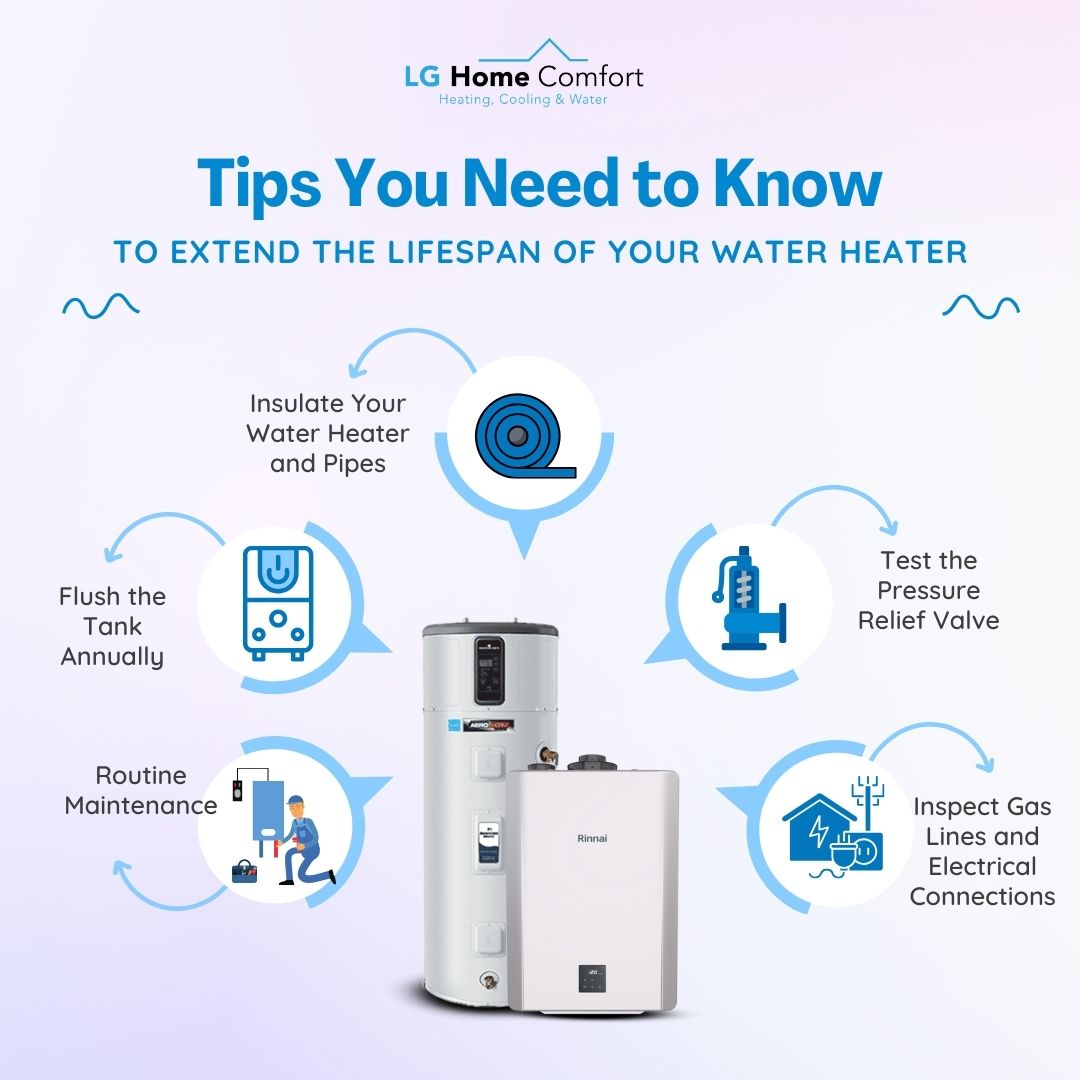
Regular System Flushing
Flushing your system removes mineral buildup inside the heater. Minerals cause noise and reduce efficiency. Flush the system every six months. This keeps the heater clean and quiet.
Monitoring Pressure Levels
Check water pressure often. High pressure can cause vibration and damage. Use a pressure gauge to monitor levels. Keep pressure within the recommended range for your heater.
Scheduling Professional Inspections
Hire a professional to inspect your heater yearly. Experts spot problems early, including noisy parts. They clean and adjust the system for best performance. Regular checkups prevent costly repairs later.
Using Water Softeners
Hard water causes mineral buildup and noise. Install a water softener to reduce minerals. Softer water protects the heater’s parts. This reduces vibrations and improves heater lifespan.
Credit: deerspa.com
Conclusion
A vibrating noise in your tankless water heater can signal a problem. Check the unit regularly to catch issues early. Sediment buildup or loose parts often cause these sounds. Cleaning or tightening parts usually stops the noise. Ignoring vibrations can lead to bigger damage and costly repairs.
Stay aware and act quickly to keep your heater running smoothly. Quiet and efficient water heating is possible with proper care. Simple steps help you avoid frustration and save money. Your comfort depends on a well-maintained water heater.