
Is your tankless water heater acting up, leaving you with cold showers and frustration? You’re not alone, and the good news is there’s a simple fix you might be overlooking: the reset button.
Understanding how and when to use the tankless water heater reset button can save you time, money, and a call to the repair service. You’ll discover why this small button matters, how to safely reset your heater, and what to do if the problem keeps coming back.
Keep reading—you’re just a few steps away from restoring warm water to your home.
How Tankless Water Heaters Work
Tankless water heaters heat water only when needed. They do not store hot water in a tank. This makes them energy-efficient and saves space.
When you turn on the hot water tap, cold water flows through the unit. A sensor detects the water flow and activates the heating element. This heats the water instantly.
The water then moves out of the heater, ready for use. This process happens quickly, so you get hot water without waiting.
Instant Heating Mechanism
Inside the tankless heater, electric coils or gas burners provide heat. The heating element turns on only during water flow. This reduces energy waste.
Flow Sensor Activation
A flow sensor triggers the heating process. It ensures the heater runs only when hot water is needed. This helps save electricity or gas.
Temperature Control System
The heater has a thermostat to keep water at the right temperature. It adjusts the heat level automatically. This prevents water from becoming too hot or cold.
Compact Design Benefits
Tankless heaters are small and easy to install. They fit in tight spaces like closets or under sinks. This saves room compared to traditional tanks.
Purpose Of The Reset Button
The reset button on a tankless water heater plays a crucial role in maintaining the unit’s performance. It acts as a safety feature and a quick fix for certain problems. Understanding its purpose helps users handle minor issues without calling a technician right away.
This button helps restart the water heater after it shuts down due to a fault. It protects the system from damage caused by overheating or electrical issues. Using the reset button can restore normal function and keep hot water flowing.
Safety Protection
The reset button stops damage by shutting the heater off during problems. It prevents overheating, which can harm the unit or cause fires. This safety feature gives users peace of mind.
System Restart
Pressing the reset button restarts the water heater system. It clears error codes and allows the heater to run again. This avoids long downtime and restores hot water quickly.
Simple Troubleshooting
The reset button offers a simple way to fix minor faults. It helps resolve issues caused by power surges or temporary malfunctions. Users can try this step before calling for repairs.
Common Issues Triggering Reset
Tankless water heaters sometimes need a reset to work properly again. This reset happens because the system detects a problem. Understanding common issues triggering the reset can help you fix your heater fast. It also prevents frequent interruptions and keeps hot water flowing.
Overheating Problems
Overheating is a top reason your tankless water heater may need a reset. The heater gets too hot if water flow is low or blocked. Dirt or scale buildup inside the unit can cause this. Overheating triggers a safety shutoff to protect the device. Pressing the reset button restarts the heater after cooling down.
Power Interruptions
Power interruptions can cause the tankless water heater to stop working. A sudden loss of electricity or a power surge can trigger a reset. The unit may not start automatically after power returns. You often need to press the reset button to turn it back on. Regular power issues may require checking your electrical setup.
Error Codes And Alerts
The tankless water heater shows error codes when it detects problems. These codes help identify issues like sensor failure or gas supply trouble. Some errors force the system to shut down and need a manual reset. Reading the error code guide helps you understand the problem. Clearing the code with the reset button restarts the heater safely.
Credit: americanhomewater.com
Step-by-step Reset Guide
Resetting a tankless water heater can fix many common issues. This step-by-step guide shows how to do it safely and correctly. Follow each step carefully to avoid problems and restore hot water flow quickly.
Locating The Reset Button
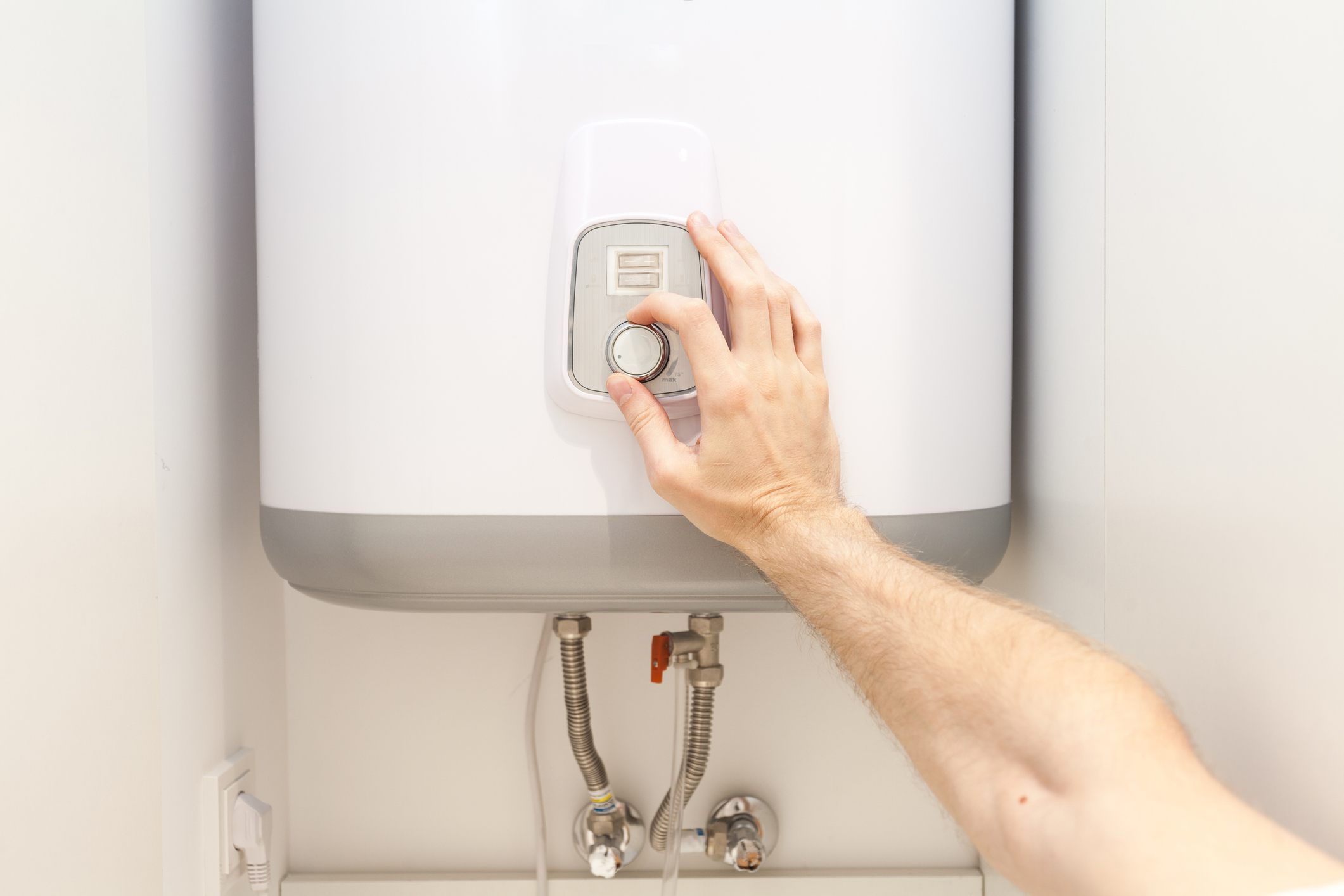
First, find the reset button on your tankless water heater. It is usually red and small. Look near the control panel or behind a removable cover. Check the user manual if you cannot find it. Make sure the heater is off before you touch anything.
Performing A Safe Reset
Press the reset button gently using your finger. Hold it down for about 5 seconds. Release the button and wait for the heater to restart. Do not press too hard or use sharp tools. This could damage the button or the unit.
Post-reset Checks
Turn the heater back on. Check if the water heats up properly. Listen for unusual sounds or smells. Watch the display for error codes. If problems persist, consider calling a professional technician.
When Resetting Isn’t Enough
Resetting a tankless water heater can fix many common issues quickly. Sometimes, pressing the reset button solves the problem. Other times, the issue runs deeper. Knowing when resetting isn’t enough helps protect your heater and home.
Persistent Error Signs
Errors that come back after resetting need attention. Watch for error codes that reappear or stay on. Strange noises or no hot water also signal trouble. These signs mean the reset button won’t fix the problem.
Potential Mechanical Failures
Internal parts can wear out or break over time. Faulty sensors, heating elements, or valves cause problems. These failures stop the heater from working right. Resetting can’t repair broken or damaged parts inside.
Need For Professional Help
Complex issues require expert diagnosis. A professional can check the heater safely. They can fix or replace parts as needed. Avoid trying to repair serious problems yourself. Call a technician when reset fails repeatedly.

Credit: www.nmteknik.com
Preventive Tips To Avoid Frequent Resets
Frequent resets of a tankless water heater can cause inconvenience and reduce the system’s lifespan. Taking steps to prevent these resets helps maintain steady hot water supply. Simple habits and regular care keep the unit running smoothly. This section covers key tips to avoid frequent resets and ensure reliable performance.
Regular Maintenance Routines
Schedule regular inspections for your water heater. Clean the unit to remove dust and debris. Flush the system to clear mineral build-up inside. Check the filters and replace them if clogged. Tighten any loose connections. These actions keep the heater healthy and prevent errors that trigger resets.
Water Quality Considerations
Hard water causes mineral deposits inside the heater. Use a water softener to reduce hardness. Test water quality regularly to detect impurities. Poor water quality strains the heater and may cause faults. Clean the heater more often in areas with hard water. This protects the internal parts and lowers reset risks.
Proper Usage Practices
Avoid running multiple hot water outlets at once. Overloading the heater causes it to shut down. Set the temperature to a moderate level to prevent overheating. Turn off the heater during long periods of non-use. Follow the manufacturer’s instructions carefully. These habits reduce stress on the unit and limit the need for resets.
Comparing Tankless And Traditional Water Heaters
Choosing the right water heater matters for your home comfort and budget. Tankless and traditional water heaters serve the same purpose but work differently. Understanding their differences helps make a better choice.
Both types heat water but vary in design, efficiency, and space use. Tankless models heat water on demand. Traditional heaters store hot water in a tank. Each has unique benefits and drawbacks.
Tankless heaters heat water only when needed. Cold water flows through a heating element. The water heats quickly and flows out immediately. This method saves energy by avoiding standby heat loss.
How Traditional Water Heaters Work
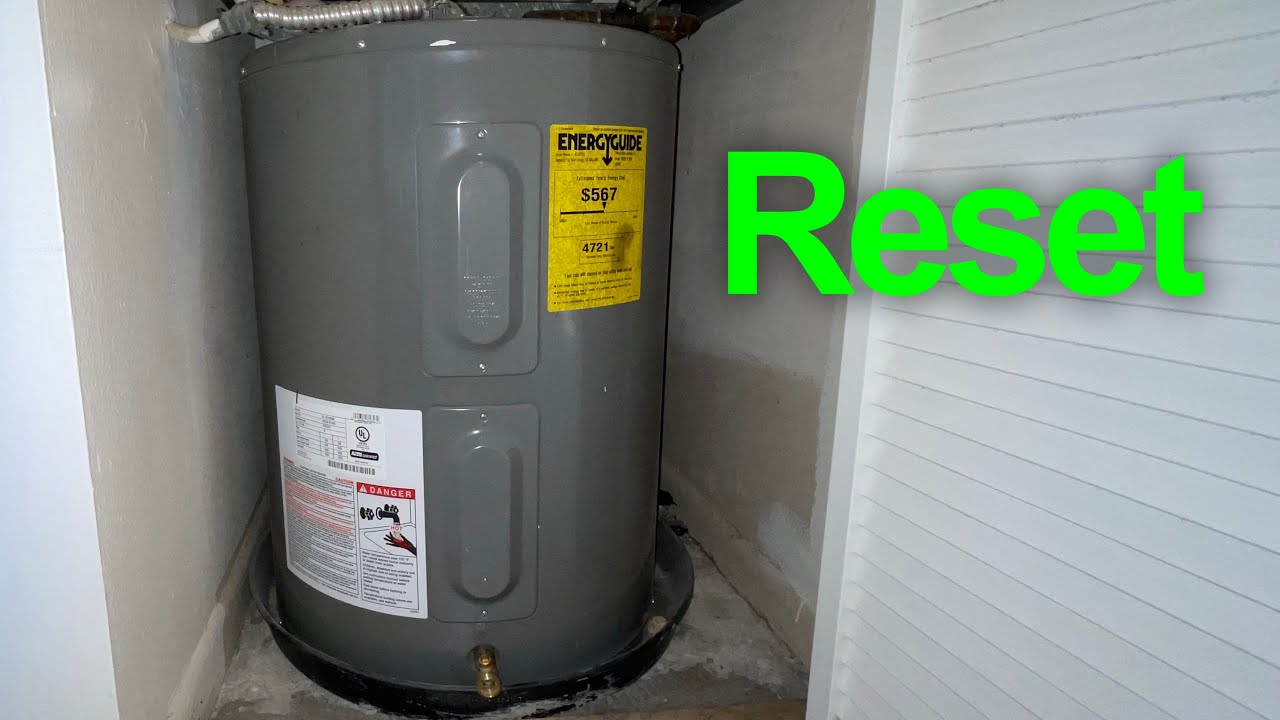
Traditional heaters keep a tank of water hot at all times. The tank stores a set amount of hot water. When you use hot water, the tank refills and reheats. This can waste energy due to heat loss.
Energy Efficiency Comparison
Tankless water heaters use less energy overall. They heat water only during use. Traditional heaters consume energy continuously to keep water hot. This makes tankless models more energy efficient.
Space And Installation Needs
Tankless units are compact and wall-mounted. They save space in small homes. Traditional heaters need a large tank area. They require more room and may be harder to install.
Cost Differences
Tankless water heaters cost more upfront. Installation can also be pricier. Traditional heaters are cheaper to buy and install. However, higher energy bills may increase long-term costs.
Maintenance And Lifespan
Tankless heaters last longer, about 20 years. They need regular descaling to prevent buildup. Traditional heaters last around 10-15 years. They may require tank replacement over time.
Credit: www.icecreamfactoryny.com
Frequently Asked Questions
What Does The Tankless Water Heater Reset Button Do?
The reset button restarts the heater after it detects an error. It clears minor faults and restores normal function quickly.
When Should I Press The Tankless Water Heater Reset Button?
Press the reset button if your heater stops heating or shows an error code. Avoid frequent resets to prevent damage.
How Often Can I Safely Use The Reset Button?
Use the reset button sparingly, only when necessary. Frequent resets may indicate a deeper issue needing professional service.
Where Is The Reset Button Located On Tankless Water Heaters?
The reset button is usually on the front panel or near the control board. Check your model’s manual for exact location.
Conclusion
The tankless water heater reset button helps fix many common issues. Pressing it can restore normal function quickly. Always follow safety steps before resetting the unit. Regular maintenance keeps your heater running well. Knowing how to use the reset button saves time and hassle.
Keep this guide handy for easy reference. Your water heater will serve you better with simple care. Small actions make a big difference in performance. Stay prepared and enjoy consistent hot water daily.