
Is your gas water heater making a loud humming noise that won’t go away? That constant sound can be more than just annoying—it might signal a problem that affects your comfort and safety.
You rely on your water heater every day, so ignoring strange noises isn’t an option. You’ll discover why your gas water heater hums and what you can do to fix it quickly. Keep reading to protect your home and enjoy peaceful, warm water again.
:max_bytes(150000):strip_icc()/water-heater-problem-making-noises-4103881-06-fdc4d0c7931b45fdab7d820144753c8b.jpg)
Credit: www.airoxnigen.com
Common Causes Of Humming Noise
Hearing a loud humming noise from your gas water heater can be annoying. This sound often means something inside the heater is not working right. Knowing the common causes helps you understand the problem better. It also guides you in fixing the issue quickly and safely.
Sediment Buildup In Tank
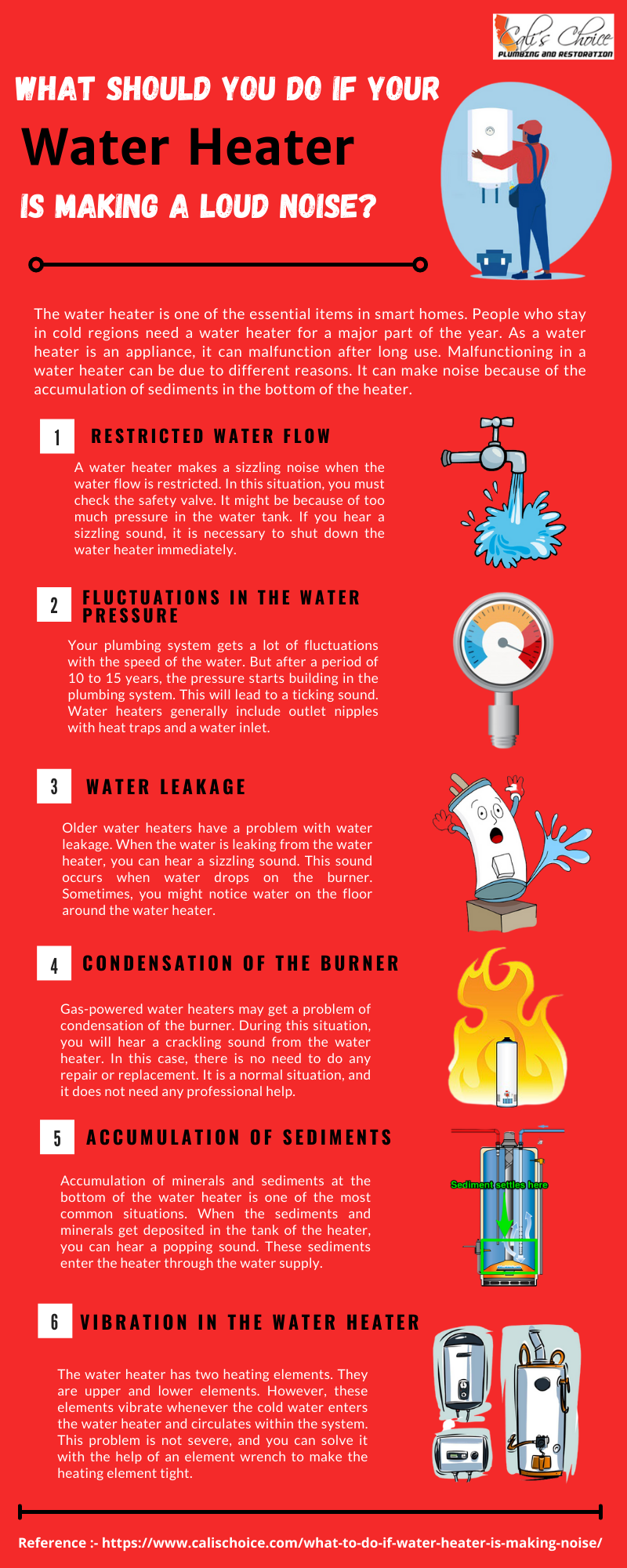
Over time, minerals from water settle at the tank’s bottom. This sediment traps heat and causes a humming sound. The thicker the buildup, the louder the noise. Flushing the tank can clear these deposits and stop the hum.
Loose Or Damaged Components
Parts inside the water heater may loosen or wear out. These include screws, panels, or heating elements. Loose parts vibrate and create a humming noise. Tightening or replacing damaged parts often solves the problem.
Gas Valve Issues
The gas valve controls fuel flow to the burner. If it is faulty or dirty, it can cause unusual sounds. A humming noise might indicate the valve is struggling to open or close. Checking the valve and cleaning or replacing it may be necessary.
Water Pressure Fluctuations
Changes in water pressure make the heater work harder. This strain can cause vibrations and humming sounds. High or unstable pressure often leads to noise. Installing a pressure regulator helps keep water flow steady and quiet.
Vibration From Exhaust Vent
The exhaust vent carries gases outside the home. If it is loose or blocked, it can vibrate and make humming noises. Tightening vent parts or clearing blockages stops the vibration. Proper vent installation also reduces noise problems.

Credit: megaprojects.com
Effects Of Loud Humming
Loud humming noises from a gas water heater signal problems. These sounds affect the heater’s performance and your home environment. Understanding the effects helps you act fast and avoid bigger issues.
Impact On Heater Efficiency
Loud humming often means the heater works harder than usual. This extra effort lowers its efficiency. The heater may use more gas to produce the same amount of hot water. Over time, this increases your energy bills. A less efficient heater also wears out faster. You get less hot water and more repair costs.
Potential Safety Concerns
Humming sounds can warn of safety risks. They may come from loose parts or gas leaks. Gas leaks are dangerous and need immediate attention. Faulty components can cause overheating or fire hazards. Ignoring these noises puts your home and family at risk. Always check the heater if humming starts suddenly.
Noise Disturbance In Home
Loud humming disrupts the quiet in your home. It can disturb sleep, work, or relaxation. The constant noise creates stress and discomfort. Small homes feel the noise more intensely. Reducing or fixing the humming improves your daily comfort. Peaceful living spaces are easier to enjoy without strange sounds.
How To Diagnose The Problem
Diagnosing a loud humming noise from a gas water heater requires careful observation. The sound often points to specific issues inside the heater. Identifying the cause early helps prevent bigger problems and expensive repairs.
Checking For Sediment
Sediment buildup inside the tank causes humming sounds. Sediment forms from minerals in water and settles at the bottom. This layer traps heat and creates noise during heating. Drain a small amount of water from the tank. Look for dirt or sand-like particles. Flushing the tank regularly can reduce sediment and noise.
Inspecting Gas Valve And Lines
The gas valve controls the fuel flow to the burner. A loose or faulty valve may vibrate and cause humming. Check the valve and gas lines for any signs of damage or leaks. Tighten any loose connections carefully. Ensure the gas pressure is steady for smooth operation.
Examining Ventilation System
Proper ventilation helps the heater work quietly and safely. Blocked or dirty vents can cause unusual sounds. Inspect the vent pipes for obstructions or debris. Clean the vents and remove any blockages. Good airflow reduces humming and improves efficiency.
Testing Water Pressure
High water pressure can make a gas water heater hum loudly. Use a pressure gauge to measure the home’s water pressure. Ideal pressure is usually between 40 and 60 psi. Adjust the pressure regulator if needed. Lowering pressure often stops the humming noise.
Credit: megaprojects.com
Simple Fixes To Reduce Noise
Gas water heaters sometimes make loud humming noises. These sounds can be annoying and may signal small problems. Many times, simple fixes can stop the noise and improve your heater’s performance.
Try these easy steps to reduce the humming noise and keep your water heater running quietly.
Flushing The Tank
Mineral buildup inside the tank can cause humming sounds. Flushing the tank removes these deposits. Turn off the heater and let the water cool. Attach a hose to the drain valve and empty the tank. Open the valve to flush out sediments. Close the valve and refill the tank with fresh water. This simple task helps reduce noise and improves heater efficiency.
Tightening Loose Parts
Loose parts vibrate and create humming noises. Check bolts, screws, and connections around the heater. Use a wrench or screwdriver to tighten any loose components. Secure the burner assembly and control panel. Tightening these parts stops vibrations and lowers noise levels. Regular checks prevent future rattling sounds.
Adjusting Water Pressure
High water pressure may cause your heater to hum. Use a pressure gauge to check the water pressure. The ideal range is usually between 40 and 60 psi. If pressure is too high, install a pressure regulator or adjust the valve. Lowering pressure reduces stress on the heater and cuts down noise. Keep water pressure balanced for smooth operation.
Securing Vent Pipes
Vent pipes can rattle or hum if not secure. Inspect pipes for any loose connections or gaps. Use metal straps or brackets to fasten vent pipes tightly. Make sure pipes have proper clearance from walls and ceilings. Secured vent pipes prevent noise and improve safety. Regular maintenance keeps vents stable and quiet.
When To Call A Professional
Gas water heaters can sometimes make a loud humming noise. This noise might be harmless, but it can also signal a bigger problem. Knowing when to call a professional can save you time and money. It also keeps your home safe and your heater working well.
Persistent Noise After Repairs
If the humming noise continues after you try fixing it, call a professional. Persistent noise means the issue might be deeper. A technician can find hidden problems that are hard to see. They have tools and knowledge to fix the heater properly.
Gas Leak Concerns
Humming sounds near gas pipes or valves may signal a gas leak. Gas leaks are very dangerous. They can cause fires or health problems. Never try to fix gas leaks yourself. Call a professional immediately to inspect and repair the heater safely.
Complex Component Replacements
Some parts of a gas water heater need expert handling. Components like the burner or thermocouple require careful replacement. Wrong installation can cause more noise or damage. Professionals know how to replace parts without risks. Trust them for complex repairs to keep your heater safe.
Maintenance Tips To Prevent Noise
Gas water heaters can start making loud humming noises over time. These sounds often come from buildup, pressure issues, or worn parts. Regular maintenance helps prevent these noises. It keeps the heater running quietly and efficiently. Simple steps can extend your heater’s life and save money on repairs.
Regular Tank Flushing
Flushing the tank removes sediment buildup. Sediment causes the heater to work harder. This leads to humming noises and less heat. Flush the tank at least once a year. Turn off the heater and let it cool. Attach a hose to the drain valve and drain the water. Flush until the water runs clear. This keeps the tank clean and quiet.
Routine Inspections
Check the heater regularly for any signs of wear. Look for rust, leaks, or loose parts. Tighten any loose screws or connections. Inspect the burner and pilot light for proper function. Worn parts can cause strange noises. Replace parts if needed. Routine checks catch problems early before they get worse.
Keeping Pressure Stable
High water pressure causes loud humming sounds. Check your home’s water pressure with a gauge. The ideal pressure is between 40 and 60 psi. Use a pressure regulator if needed. Avoid sudden changes in water use. This keeps the pressure stable and reduces noise. Stable pressure also protects the heater from damage.
Conclusion
A loud humming noise from your gas water heater is a sign to act. Check for loose parts or sediment buildup inside the tank. Regular cleaning helps keep the heater quiet and working well. If the noise stays, call a professional for help.
Fixing the noise soon can prevent bigger problems later. Keep your water heater safe, quiet, and efficient for daily use. Don’t ignore strange sounds; they matter more than you think.