
Is your tankless water heater suddenly making a high-pitched noise? That sharp, annoying sound can be more than just a minor inconvenience.
It might signal a problem that could affect your comfort and increase your energy bills. You deserve a quiet, reliable hot water system, and understanding why this noise happens is the first step to fixing it. Keep reading, and you’ll discover easy ways to identify the cause and what you can do to stop that irritating sound for good.

Credit: www.comuntia.org
Causes Of High Pitched Noise
High pitched noise from a tankless water heater can be annoying and worrying. This noise often signals a problem inside the unit. Understanding the causes helps you fix the issue faster and protect your heater.
Mineral Buildup And Scale
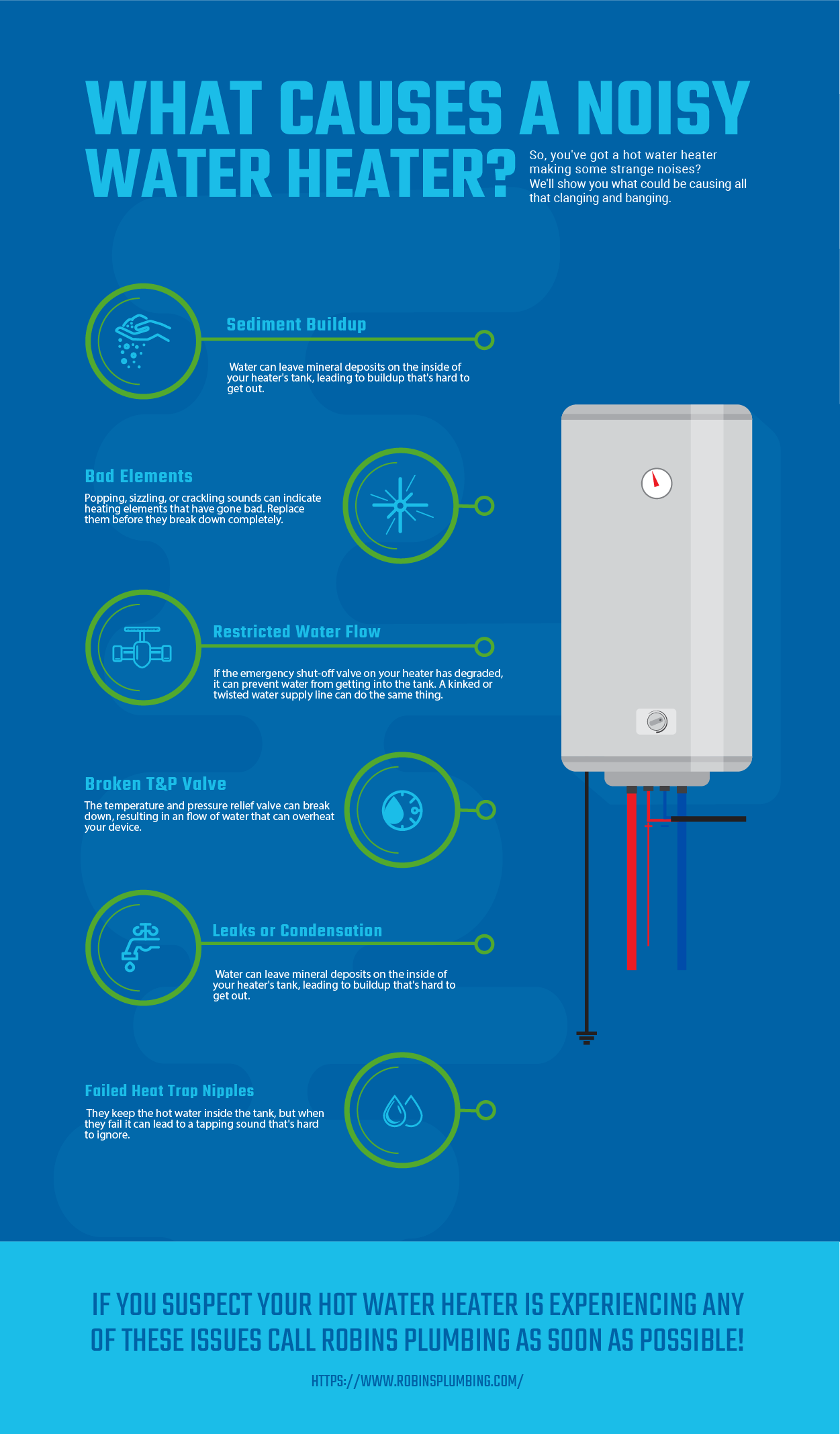
Minerals in water can collect inside the heater over time. This buildup is called scale. Scale blocks water flow and causes parts to vibrate. These vibrations create high pitched sounds. Hard water areas face this problem more often.
Water Pressure Issues
Too much water pressure can stress the heater’s pipes and parts. This stress leads to whistling or squealing noises. Low pressure can also cause strange sounds. Keeping water pressure steady helps avoid noise and damage.
Faulty Components
Parts inside the heater can wear out or break. A loose or damaged valve may whistle. Electrical parts may buzz or hum loudly. Faulty components need checking and replacing to stop the noise.
Air In The System
Air trapped in pipes can cause loud noises. Air pockets make water flow unevenly. The heater reacts to this with high pitched sounds. Bleeding the system helps remove air and quiet the unit.
Credit: opcionesadministrativas.com
Identifying The Noise Source
High pitched noises from a tankless water heater can be annoying and confusing. Finding the exact source of the noise helps fix the problem faster. This section guides you through simple checks to identify where the sound comes from. Follow these steps carefully to spot the cause.
Checking The Heat Exchanger
The heat exchanger is a common place for noise. Scale or mineral build-up can cause whistling sounds. Look for signs of corrosion or deposits. If the heat exchanger is dirty, it can make high-pitched noises during heating. Cleaning or flushing the unit may reduce the noise.
Inspecting Valves And Pipes
Valves and pipes may create noise if they are loose or worn out. Listen closely near the water lines for any whistling or squealing. Tighten any loose valves and check for pipe vibrations. Replacing old or damaged valves can stop the noise quickly.
Listening For Electrical Sounds
Electrical parts sometimes make high-pitched buzzing or humming noises. Pay attention near the control panel and wiring. A faulty fan or loose wiring can cause these sounds. Turning off the power and inspecting electrical components might reveal the noise source.
Impact On Heater Performance
A high pitched noise from a tankless water heater signals trouble. This noise can affect how well the heater works. It can cause problems that lower the heater’s performance and lifespan. Understanding these effects helps in taking quick action to fix the issue.
Efficiency Reduction
The noise often means the heater is not working smoothly. Parts inside may be vibrating or rubbing wrongly. This wastes energy and makes the heater less efficient. It uses more fuel or electricity to heat water. As a result, utility bills may rise. The heater may also take longer to heat water. This slows down your hot water supply.
Potential Damage Risks
Continuous noise can signal damage inside the heater. It may come from loose parts or build-up inside pipes. Over time, this can cause serious wear and tear. Damage can lead to leaks or complete failure. Ignoring the noise risks costly repairs or replacement. Early checks can prevent these risks and save money.
Diy Troubleshooting Steps
Tankless water heaters sometimes make a high-pitched noise. This can be annoying and worrying. You can fix some common issues yourself. Follow these simple DIY troubleshooting steps. They help you save time and avoid calling a technician.
Flushing The System
Mineral buildup causes noise in tankless water heaters. Flushing removes these deposits. First, turn off the power and water supply. Connect a hose to the drain valve. Run vinegar or a descaling solution through the system. This clears out minerals and reduces noise. Flush the system once a year for best results.
Adjusting Water Pressure
High water pressure can cause loud sounds. Use a pressure gauge to check your water pressure. Ideal pressure is between 40 and 60 psi. If pressure is too high, adjust the pressure regulator. Lower the pressure slowly and test the noise level. Proper pressure keeps your heater quiet and efficient.
Tightening Loose Parts
Loose parts may create vibrations and noise. Turn off the heater and power supply first. Check all screws, bolts, and fittings. Use a wrench or screwdriver to tighten them gently. Be careful not to overtighten. Securing loose parts stops rattling and humming sounds.
When To Call A Professional
Tankless water heaters may start making a high pitched noise. Sometimes, the sound stops quickly. Other times, it keeps going. Knowing when to call a professional can save time and money. It also ensures safety and proper repair.
Persistent Noise Issues
Noise that does not stop after simple fixes needs expert help. A professional can find hidden problems. They know how to check pipes and valves carefully. Ignoring constant noise can cause bigger damage.
Complex Repairs
Some repairs require special tools and skills. A high pitched noise may mean parts need replacement. Professionals can fix electrical or mechanical issues safely. Attempting complex repairs alone can cause more harm.
Safety Concerns
Water heaters use gas or electricity. Faulty parts may create dangerous situations. A strange noise can be a sign of leaks or faults. Only trained technicians should handle these risks. Calling a professional keeps your home safe.
Credit: www.comuntia.org
Preventing Future Noise Problems
High pitched noise from a tankless water heater can be annoying. Preventing this noise saves you from costly repairs. Simple steps help keep your heater quiet and efficient. Follow these tips to avoid future noise problems.
Regular Maintenance Tips
Check your water heater regularly. Clean the filter to remove dirt and debris. Flush the system to clear out mineral buildup. Inspect the heating elements for damage. Schedule professional service once a year. Regular care keeps the heater running smoothly and quietly.
Water Quality Management
Hard water causes mineral buildup inside the heater. Use a water softener to reduce minerals. Test your water quality often. Clean the system more often if water is hard. Good water quality lowers noise and extends heater life.
Proper Installation Practices
Correct installation prevents many noise problems. Place the heater on a stable surface. Avoid loose pipes and fittings. Use recommended parts and follow the manual. Hire a licensed professional to install your unit. Proper setup ensures quiet, safe operation.
Frequently Asked Questions
Why Is My Tankless Water Heater Making High-pitched Noise?
High-pitched noise in tankless water heaters is often caused by mineral buildup or scaling. This restricts water flow and creates vibrations. Regular descaling and maintenance can reduce this noise. Also, check for loose components or faulty fans that may contribute to the sound.
How Can I Fix A Noisy Tankless Water Heater?
To fix noise, flush the system to remove mineral deposits. Tighten any loose parts and clean the inlet filter. If noise persists, inspect the fan and heat exchanger. Professional servicing may be needed to ensure all components function properly.
Does High-pitched Noise Affect Tankless Water Heater Performance?
Yes, the noise can indicate underlying issues like scaling or mechanical problems. These issues reduce efficiency and lifespan. Addressing the noise promptly helps maintain optimal performance and prevents costly repairs.
Can Water Quality Cause High-pitched Noise In Heaters?
Poor water quality with high mineral content causes scale buildup inside the heater. This buildup restricts flow and creates noise. Installing a water softener can help reduce mineral deposits and prevent noise.
Conclusion
A high-pitched noise from your tankless water heater can be annoying. It often signals a small problem that needs fixing. Regular cleaning and checking the heater helps avoid this noise. Mineral buildup or loose parts can cause the sound. Acting early can save you time and money.
Keep your heater in good shape for quiet, efficient water heating. Simple care makes a big difference in how your heater works. Don’t ignore strange noises; they tell you something needs attention.