
Is your electric hot water heater not working when you need it most? That sudden cold shower can be frustrating and inconvenient.
You rely on your hot water heater every day, so when it stops heating, it disrupts your routine. But don’t worry—you’re not alone, and there are simple steps you can take to fix the problem. You’ll discover why your heater might be failing and what you can do to get warm water flowing again quickly.
Keep reading to save time, avoid costly repairs, and bring comfort back to your home.
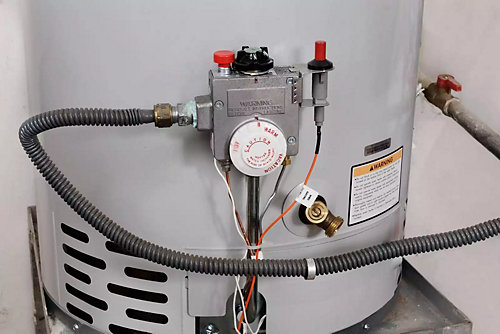
Credit: www.centraloceans.com
Common Causes
Electric hot water heaters stop working for several common reasons. Understanding these causes helps in quick troubleshooting and repair. Most problems relate to electrical issues or internal parts wearing out. Checking these areas first saves time and effort.
No Power Supply
The heater needs power to run. A broken wire or loose connection can cut power. Check the power source and ensure it is on. Sometimes, a simple power outage causes the issue.
Tripped Circuit Breaker
The circuit breaker may trip to prevent damage. This stops electricity flow to the heater. Look at the breaker box and reset any tripped switches. Frequent trips might signal a bigger electrical problem.
Faulty Heating Element
The heating element warms the water. Over time, it can burn out or break. A faulty element means no heat in the water. Testing and replacing it often fixes the problem.
Malfunctioning Thermostat
The thermostat controls water temperature. If it fails, the heater may not work properly. The water could be too hot or cold. Replacing a bad thermostat restores correct temperature control.
Sediment Buildup
Minerals in water settle at the tank bottom. This sediment blocks heat transfer and clogs parts. It reduces heater efficiency and can cause failure. Flushing the tank removes sediment and improves function.
Safety First
Safety is the top priority when your electric hot water heater stops working. Electric parts can cause shocks or fires. You must take careful steps before trying any repair. This keeps you safe and prevents damage to your home.
Follow these simple safety tips to protect yourself. Always prepare well before handling any electrical appliance.
Turn Off Power
Always switch off the power at the circuit breaker. This stops electricity from flowing to the heater. Use a voltage tester to confirm no power is running. Never trust just the switch. Turning off power helps avoid electric shocks and injuries.
Use Proper Tools
Use tools made for electrical work. Insulated screwdrivers and pliers reduce the risk of shocks. Avoid using metal tools without insulation. Proper tools make the job safer and easier. Keep tools in good condition before starting any repair.
Wear Protective Gear
Wear rubber gloves to stop shocks. Safety goggles protect your eyes from sparks and debris. Use closed-toe shoes to protect feet. Protective gear adds a layer of safety. Never skip this step, even for small fixes.
Basic Troubleshooting Steps
Electric hot water heaters can stop working for simple reasons. Basic troubleshooting helps find the problem fast. Try these steps to check your heater before calling a technician.
Check Power Source
Make sure the heater is plugged in. Check if the power outlet works by testing another device. Look for any loose wires or damage to the power cord. No power means no hot water.
Reset Circuit Breaker
Find the breaker box and look for a tripped switch. Flip the breaker off and then back on. This resets the electrical flow to the heater. A tripped breaker often stops the heater from working.
Inspect Thermostat Settings
Locate the thermostat on the heater. Check if the temperature is set too low or too high. Adjust it to a comfortable level, usually around 120°F (49°C). Wrong settings can cause no hot water or overheating.
Test Heating Element
The heating element heats the water inside the tank. Use a multimeter to test for continuity in the element. No continuity means the element is broken and needs replacement. A faulty element stops water from heating properly.
Fixing Heating Element Issues
The heating element is a key part of an electric hot water heater. It heats the water inside the tank. If the element stops working, the water will not get warm. Fixing heating element issues can restore hot water quickly. This section explains how to test and replace the heating element safely.
How To Test The Element
First, turn off the power to the water heater. Use a screwdriver to remove the access panel. Find the heating element inside the tank. Use a multimeter to check the element’s resistance. Set the multimeter to the ohms setting. Touch the probes to the element’s terminals. A good element shows a reading between 10 and 30 ohms. If the meter shows no reading, the element is broken and needs replacement.
Replacing The Heating Element
Turn off the power and water supply before starting. Drain the tank to below the element level. Use a heating element wrench to remove the old element. Clean the area around the opening. Install the new element by screwing it in tightly. Refill the tank and turn the water supply back on. Restore power to the heater and check for leaks. The water should heat up in a short time.
Thermostat Repairs
The thermostat in an electric hot water heater controls the water temperature. It tells the heating elements when to turn on and off. If the thermostat fails, the water may stay cold or get too hot. Fixing the thermostat often solves these problems. This section explains how to test and replace the thermostat safely.
Testing The Thermostat
Start by turning off the power to the heater. Use a multimeter to check the thermostat’s continuity. Remove the access panel and insulation to find the thermostat. Touch the multimeter probes to the thermostat terminals. A reading of zero or near zero means it works. A high or infinite reading means it is faulty.
Check the thermostat’s temperature settings too. Adjust the dial to the desired temperature. Test again to see if it responds properly. If the thermostat does not change readings, it needs replacement.
Replacing The Thermostat
Turn off the power completely before starting. Remove the wires connected to the old thermostat. Note their positions for correct reinstallation. Take out the old thermostat carefully. Install the new thermostat in the same place.
Reconnect the wires to the new thermostat terminals. Secure the thermostat with screws or clips. Replace the insulation and access panel. Turn the power back on and test the heater. The water should heat to the set temperature now.

Credit: healingwithhorsesranch.org
Cleaning Sediment Buildup
Electric hot water heaters often stop working well due to sediment buildup. Sediment is made of minerals and dirt. It collects at the bottom of the tank. This buildup reduces heating efficiency and can cause noise or damage. Cleaning sediment is important to keep the heater working and to save energy. The process involves draining and flushing the tank to remove these deposits.
Draining The Tank
Start by turning off the power to the heater. Next, close the water supply valve. Attach a hose to the drain valve at the tank’s bottom. Place the other end in a safe drainage area. Open the drain valve slowly. Let the water flow out completely. This removes most of the sediment from the tank. Close the drain valve once draining finishes.
Flushing The Water Heater
Open the water supply valve again. Allow fresh water to flow into the tank. This helps flush out remaining sediment. Let the water run through the drain hose until it runs clear. Repeat flushing if the water still looks dirty. Close the drain valve and remove the hose. Turn the power back on to the heater. Flushing keeps the tank clean and improves performance.
When To Call A Professional
Knowing when to call a professional for an electric hot water heater problem saves time and prevents damage. Some issues need expert skills beyond basic fixes. Recognizing these signs helps keep your home safe and your water heater working well.
Complex Electrical Issues
Electric hot water heaters involve wiring and circuits. Complex electrical problems require a licensed electrician. Faulty wiring or breaker issues can cause shocks or fires. Professionals have tools and knowledge to handle these safely. Avoid trying to fix electrical parts yourself.
Persistent Problems
Sometimes, the heater stops working after simple fixes. Persistent issues mean something deeper is wrong. A professional can diagnose hidden faults or worn parts. They have experience to repair or replace components correctly. Constant problems reduce heater efficiency and waste energy.
Safety Concerns
Hot water heaters store and heat water under pressure. Leaks or faulty valves can cause burns or flooding. Gas or electric heaters may pose fire risks if damaged. Professionals follow safety rules and standards during repairs. Protect your family by calling experts when safety is at risk.

Credit: www.youtube.com
Preventive Maintenance Tips
Electric hot water heaters need regular care to work well. Preventive maintenance stops small issues from becoming big problems. It saves money and keeps hot water flowing without interruption. Simple steps help extend the heater’s life and keep it safe.
Regular Flushing
Flushing removes sediment that builds up inside the tank. Sediment reduces heater efficiency and can cause damage. Flush the tank every six months to keep it clean. This helps the heater warm water faster and use less energy.
Annual Inspections
Check all parts of the water heater once a year. Look for leaks, rust, or worn-out parts. Test the pressure relief valve to ensure it works well. Regular checks catch issues early and prevent costly repairs.
Monitoring Performance
Watch for changes in water temperature or pressure. Strange noises or smells can signal a problem. Keep track of how long it takes to heat water. Early detection helps fix problems before they get worse.
Frequently Asked Questions
Why Is My Electric Hot Water Heater Not Heating Water?
Your heater may have a tripped circuit breaker or faulty thermostat. Check the power supply and reset breakers. Inspect heating elements for damage and replace if necessary.
How Do I Reset My Electric Water Heater?
Locate the reset button, usually under the access panel. Press it firmly until you hear a click. This often restores power and restarts the heating process.
What Causes An Electric Water Heater To Leak?
Leaks often result from a damaged tank, faulty valves, or loose connections. Inspect for corrosion, cracks, or worn seals, and replace defective parts promptly.
How Long Should An Electric Water Heater Last?
Typically, electric water heaters last 8 to 12 years. Regular maintenance can extend lifespan. Replace if you notice frequent malfunctions or leaks.
Conclusion
An electric hot water heater not working can cause stress. Check simple things first, like power and settings. Sometimes, a reset or small fix solves the problem. If it still doesn’t work, call a professional. Regular maintenance helps avoid future issues.
Don’t ignore signs of trouble; act early. Warm water matters for comfort every day. Keep your heater in good shape to stay worry-free.