Are you frustrated by weak or inconsistent water pressure when using your tankless water heater? You’re not alone.
Many people experience water pressure issues that make simple tasks like showering or washing dishes a struggle. If your water flow feels weak or unpredictable, it can turn everyday routines into annoying challenges. But don’t worry—understanding why these problems happen and how to fix them can restore the strong, steady water pressure you need.
Keep reading to discover the common causes and easy solutions for tankless water heater water pressure issues that you can apply right now.
Common Pressure Problems
Tankless water heaters can face water pressure issues that affect their performance. These problems reduce water flow or cause irregular water pressure. Identifying common pressure problems helps you find the right solution faster.
Low Water Pressure Symptoms
Water flow feels weak from faucets or showers. The shower spray may be thin or uneven. It takes longer to fill buckets or pots with hot water. Appliances using hot water may work slower or less effectively.
Pressure Fluctuations
Water pressure rises and falls while using hot water. Showers may alternate between strong and weak streams. Pressure changes can cause sudden temperature shifts. This makes washing or showering uncomfortable and unpredictable.
No Water Flow Issues
No water comes out from taps despite turning on the heater. The heater may shut off or show error codes. Blockages or faulty parts often cause this problem. Water flow stops completely, making the heater unusable.

Credit: www.youtube.com
Causes Of Pressure Issues
Tankless water heaters can face water pressure problems that affect their performance. Understanding the causes helps fix these issues quickly. Several factors can reduce or disrupt water pressure in the system. Identifying these causes is the first step to restoring proper flow and heating.
Clogged Filters And Pipes
Filters and pipes can collect dirt and debris over time. This buildup blocks water flow. Reduced flow causes low water pressure at the heater. Cleaning or replacing filters and pipes solves this problem fast.
Incorrect Pressure Settings
Tankless water heaters have pressure settings for safe operation. Wrong settings can cause either too high or too low pressure. Adjusting the pressure settings to the recommended levels fixes the issue.
Faulty Pressure Regulators
Pressure regulators control water flow into the heater. A broken regulator leads to unstable or low pressure. Inspecting and replacing faulty regulators restores steady water pressure.
Water Supply Limitations
The home’s water supply affects pressure at the heater. Low municipal pressure or shared water lines limit flow. Upgrading supply lines or installing a booster pump can improve pressure.
Mineral Buildup And Scale
Hard water causes minerals to build inside pipes and heater parts. This scale reduces pipe diameter and blocks flow. Regular descaling prevents mineral buildup and keeps pressure steady.
Diagnosing Pressure Problems
Diagnosing water pressure problems in a tankless water heater helps fix low or uneven flow. Pressure issues cause discomfort and reduce heater efficiency. Early checks can prevent costly repairs. Follow simple steps to identify the cause.
Checking Water Pressure Levels
Start by measuring the water pressure at the heater inlet. Use a pressure gauge for accuracy. Normal pressure ranges from 40 to 60 psi. Lower readings mean weak water flow. High pressure can damage the system. Adjust the main water supply valve to correct pressure.
Inspecting Filters And Valves
Filters catch debris that blocks water flow. Remove and clean filters regularly. Check valves for dirt or corrosion. Stiff or stuck valves affect pressure and flow. Replace damaged filters and valves promptly to restore normal pressure.
Testing Pressure Relief Valve
The pressure relief valve protects the heater from excess pressure. Test it by lifting the valve lever slightly. Water should flow freely and stop when released. No flow or continuous dripping signals a faulty valve. Replace the valve to avoid pressure buildup and damage.

Credit: www.youtube.com
Diy Fixes For Pressure Issues
Tankless water heaters can face water pressure problems that affect their performance. Many pressure issues can be fixed at home with simple steps. These DIY fixes save time and money while restoring proper water flow.
Knowing how to clean, adjust, and replace parts helps keep your system working well. Basic tools and a little care go a long way in solving pressure problems. Here are some easy fixes you can try.
Cleaning And Flushing The System
Mineral buildup can block water flow and lower pressure. Cleaning the system removes these deposits. Start by turning off the water heater and closing valves.
Attach hoses to flush out the heater with vinegar or a descaling solution. Let the solution run for about 45 minutes. Then flush with clean water until clear.
This process clears blockages and improves pressure. Repeat every year to prevent buildup and maintain flow.
Adjusting Pressure Settings
Tankless heaters have pressure controls that may need adjustment. Check the user manual for the correct pressure range. Use a pressure gauge to read current levels.
Turn the adjustment screw slowly to raise or lower pressure. Keep changes small and test the flow after each turn. Proper pressure ensures steady water supply and heater efficiency.
Replacing Faulty Components
Worn parts like pressure valves or filters cause pressure drops. Inspect these components for damage or clogging. Replace any faulty parts with exact matches from the manufacturer.
Shut off power and water before replacing parts. Follow safety steps and install new components carefully. Fixing damaged parts restores normal pressure and prevents leaks.
When To Call A Professional
Tankless water heaters can face water pressure problems that seem tricky to fix. Knowing when to call a professional saves time and prevents damage. Some issues need expert skills and tools to handle safely. Trust a professional for complex tasks and to keep your heater working well.
Complex Repairs And Replacements
Tankless water heaters have many parts. Some repairs need special tools and training. Problems with the heat exchanger or internal valves often need a professional. Replacing worn parts or the whole unit is tricky. A wrong fix can cause more damage or leaks. Skilled technicians ensure repairs are done right the first time.
Safety Concerns
Water pressure issues can cause leaks or bursts. Gas-powered heaters add more risk if handled incorrectly. Professionals know how to work safely with gas and electrical parts. They prevent hazards like gas leaks and electrical shocks. Do not try to fix pressure problems alone if you feel unsure. Safety must always come first.
Regular Maintenance Tips
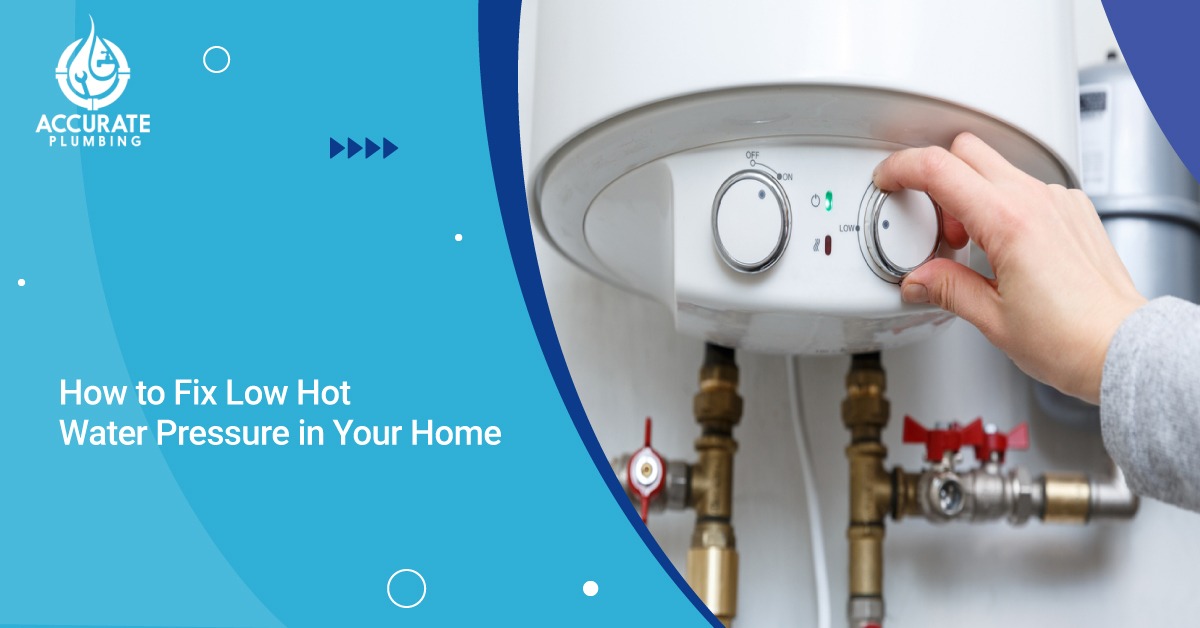
Regular checks keep your water heater in good shape. Professionals can clean the system and check pressure levels. They remove mineral build-up that blocks water flow. Schedule yearly maintenance to avoid sudden pressure drops. Proper care extends your heater’s life and saves money on repairs.
Credit: accurateplumbingtx.com
Preventing Future Pressure Problems
Preventing future pressure problems in tankless water heaters helps keep your system running smoothly. Regular care can avoid costly repairs and improve water flow. Small steps make a big difference in water pressure and heater lifespan.
Routine System Maintenance
Check your tankless water heater regularly. Clean the inlet screen to remove debris. Flush the system yearly to clear mineral build-up. Inspect pipes and fittings for leaks. Proper maintenance keeps water pressure steady and prevents blockages.
Using Water Softeners
Hard water causes mineral deposits inside the heater. A water softener reduces these minerals. Soft water protects your heater and plumbing from damage. It helps maintain good water flow and pressure over time.
Monitoring Water Quality
Test your water quality regularly. Watch for changes in hardness and pH levels. Poor water quality can harm your heater and lower pressure. Early detection allows quick fixes and better system performance.
Frequently Asked Questions
What Causes Low Water Pressure In Tankless Heaters?
Low water pressure in tankless heaters often results from clogged filters, mineral buildup, or pipe blockages. It can also be caused by undersized plumbing or a faulty pressure regulator. Regular maintenance prevents these issues, ensuring consistent water flow and optimal heater performance.
How To Fix Water Pressure Issues In Tankless Heaters?
To fix pressure issues, clean or replace clogged filters and flush the system to remove mineral deposits. Check for leaks or pipe obstructions and ensure the pressure regulator is working. Hiring a professional plumber can help diagnose and resolve complex problems effectively.
Can Tankless Water Heaters Handle High Water Pressure?
Tankless water heaters can handle moderate water pressure but may suffer if pressure exceeds recommended limits. Excessive pressure can damage internal components and reduce lifespan. Installing a pressure-reducing valve helps maintain safe pressure levels and protects the heater.
Does Water Pressure Affect Tankless Heater Efficiency?
Yes, water pressure directly impacts tankless heater efficiency. Low pressure reduces flow rate and heating capacity, while high pressure risks damage. Maintaining proper pressure ensures optimal heating performance, energy savings, and longer equipment life.
Conclusion
Tankless water heater water pressure issues can disrupt daily routines. Small problems often cause low pressure or uneven flow. Regular checks help spot issues early and keep water steady. Cleaning filters and pipes improves performance and saves money. Professional help ensures the system runs smoothly and lasts longer.
Pay attention to pressure changes to avoid bigger problems. Simple steps maintain comfort and convenience in your home. Don’t let water pressure troubles affect your day. Stay aware and act quickly for the best results.