
Is your electric hot water heater not heating the way it should? Nothing is more frustrating than stepping into a cold shower or waiting endlessly for warm water that never comes.
You rely on your water heater every day, and when it stops working, your comfort and routine are disrupted. But don’t worry—this problem is often easier to fix than you think. You’ll discover the common reasons why your electric hot water heater isn’t heating and simple steps you can take to get it back to working perfectly.
Keep reading to reclaim your warm water and peace of mind.

Credit: ipnpr.com.br
Common Causes
Understanding why your electric hot water heater is not heating helps fix the problem fast. Several common issues cause this problem. Knowing these causes saves time and money. Troubleshooting becomes easier with basic knowledge of the heater’s parts and functions.
Tripped Circuit Breaker
The circuit breaker may trip due to power surges or overload. This stops electricity from reaching the heater. Resetting the breaker can restore power. Regularly check the breaker for safety and proper function.
Faulty Heating Element
The heating element warms the water inside the tank. Over time, it can burn out or break. A faulty element stops water from heating. Replacing the element often solves the heating issue.
Thermostat Issues
The thermostat controls the water temperature. If it fails, the water may stay cold. Sometimes the thermostat settings are too low. Testing and adjusting or replacing the thermostat can fix the problem.
Sediment Buildup
Minerals in water settle at the tank bottom as sediment. This layer blocks heat transfer from the element. Sediment buildup lowers heating efficiency. Flushing the tank removes sediment and improves heating.
Broken High-limit Switch
This safety switch stops the heater if water gets too hot. A broken switch can prevent heating entirely. Testing the switch and replacing it if needed restores normal operation.
Safety Precautions
Working on an electric hot water heater can be dangerous without proper safety steps. Always follow safety rules to avoid injury or damage. Taking simple precautions protects you and your home.
Turning Off Power
Always cut off the power before starting any work. Locate the circuit breaker for your water heater and switch it off. Double-check with a voltage tester to confirm no electricity flows. This step prevents electric shocks and accidents.
Using Proper Tools
Use tools designed for electrical and plumbing work. Insulated screwdrivers and pliers reduce the risk of shocks. Avoid makeshift tools that can slip or break. Proper tools make the job safer and easier.
Checking For Leaks
Look carefully for water leaks before and after repairs. Water near electrical parts can cause short circuits or shocks. Fix any leaks immediately using the correct parts. Keep the area dry to maintain safety.
Resetting The Heater
Resetting an electric hot water heater can fix heating problems quickly. Sometimes, the heater’s internal safety switch trips to stop overheating. Resetting the heater often restores normal function without costly repairs. This section explains how to find and press the reset button safely.
Locating The Reset Button
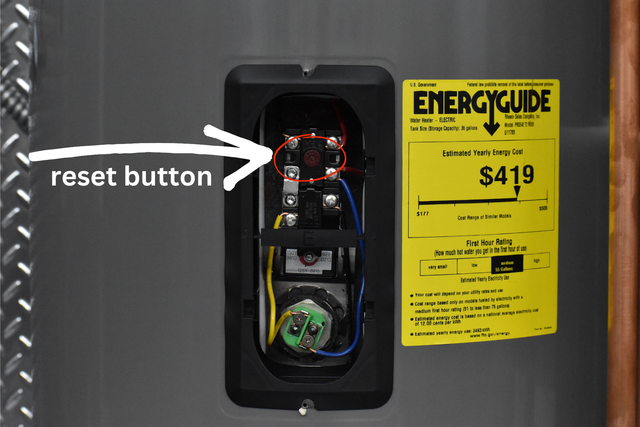
The reset button sits behind the heater’s access panel. Usually, it is a red or black button. The panel is on the side of the water heater tank. Turn off the power before opening the panel. Use a screwdriver to remove screws holding the panel. Inside, look for a small button near the thermostat.
Steps To Reset
First, switch off the power at the circuit breaker. Open the access panel carefully. Press the reset button firmly until you hear a click. Close the panel and screw it back on. Turn the power back on at the breaker. Wait about 30 minutes for the water to heat up again.
When Resetting Helps
Resetting helps if the heater stopped due to overheating. It clears the safety switch and restarts the system. If water remains cold after resetting, other problems exist. These could include faulty heating elements or wiring issues. Resetting works best as a first troubleshooting step.
Credit: deutschwartpoznania.com
Testing And Replacing Elements
Testing and replacing the heating elements is a key step to fix an electric hot water heater that is not heating. The heating elements warm up the water inside the tank. If they fail, the water stays cold. Testing the elements can confirm if they are broken or working.
This process needs some basic tools and safety measures. Make sure the power is off before starting. Follow the steps carefully to avoid damage or injury. Replacing a bad element can restore your hot water quickly.
Using A Multimeter
A multimeter helps check if the heating element has electrical continuity. Set the multimeter to the resistance or ohms setting. Remove the wires from the element terminals. Touch the multimeter probes to each terminal. A reading near zero means the element is good. If the meter shows infinite or no reading, the element is broken.
Removing The Element
Turn off the power and drain some water from the tank. Use a socket wrench to unscrew the heating element. Be careful not to damage the tank or element gasket. Remove the element gently. Inspect the gasket and clean the area before installing a new element. Keep the old element to compare size and type.
Installing A New Element
Place the new element into the tank opening. Make sure the gasket is in place to avoid leaks. Tighten the element securely with the wrench. Reattach the wires to the new element terminals. Refill the tank and restore power. Check for leaks and test if the water heats properly.
Adjusting Or Replacing The Thermostat
The thermostat controls the water heater’s temperature. If your electric hot water heater is not heating, the thermostat might need adjusting or replacing. This section guides you through accessing, testing, and replacing the thermostat. Simple steps can restore your hot water quickly.
Accessing The Thermostat
Turn off the power to the water heater at the circuit breaker. Remove the access panel on the side of the heater. You may see a metal cover; remove it carefully. The thermostat is behind this cover. Be cautious of any wires connected to it.
Testing Temperature Settings
Use a flathead screwdriver to adjust the thermostat dial. The ideal temperature is around 120 degrees Fahrenheit. Check if the dial is set too low. You can test the water temperature after adjusting. If water stays cold, the thermostat might be faulty.
Replacing A Faulty Thermostat
Turn off the power before starting any work. Disconnect the wires from the old thermostat. Note the wire positions for the new thermostat. Remove the faulty thermostat from the heater. Install the new thermostat and connect the wires correctly. Replace the cover and restore power to test the heater.
Flushing Sediment From The Tank
Flushing sediment from an electric hot water heater tank is an important maintenance task. Over time, minerals and debris settle at the bottom of the tank. This buildup can reduce heating efficiency and cause the water heater to stop heating properly. Regular flushing helps keep the tank clean and extends its lifespan.
Flushing the tank is simple and does not require special tools. It removes sediment that blocks heat transfer. Clean tanks heat water faster and use less energy.
Preparing To Flush
Turn off the power supply to the water heater. This step is important for safety. Next, close the cold water supply valve at the top of the tank. Connect a garden hose to the drain valve at the bottom of the heater. Place the other end of the hose in a safe drainage spot.
Draining The Tank
Open the drain valve to start emptying the tank. Sediment and water will flow out through the hose. Let the tank drain completely. You can open a hot water faucet in your home to let air in. This helps the tank drain faster. After draining, close the drain valve and remove the hose.
Benefits Of Flushing
Flushing removes harmful sediment buildup from the tank. It improves heating efficiency and reduces energy costs. The water heater lasts longer without sediment damage. Flushing also helps prevent strange noises from the tank. Clean tanks provide better water quality for your home.
When To Call A Professional
Knowing when to call a professional for an electric hot water heater not heating is important. Some problems are simple and can be fixed at home. Others need expert help to avoid damage or danger. Calling a professional saves time and keeps your home safe.
Complex Electrical Issues
Electric hot water heaters involve electrical parts that can be risky. Problems with wiring, breakers, or heating elements need expert skills. A professional has tools and knowledge to handle these safely. Avoid trying electrical fixes if you are not trained.
Persistent Heating Problems
If your water heater still does not heat after basic fixes, call a professional. Continuous issues may mean deeper problems like a faulty thermostat or damaged tank. Experts can diagnose the root cause and fix it correctly. This prevents repeated failures and water damage.
Warranty Considerations
Many electric hot water heaters come with warranties. Attempting repairs yourself may void the warranty. Professionals follow manufacturer rules to keep warranties valid. Calling a certified technician protects your investment and ensures quality repairs.
Credit: www.eecusa.com
Frequently Asked Questions
Why Is My Electric Hot Water Heater Not Heating?
Your heater may not heat due to a tripped breaker, faulty thermostat, or heating element failure. Check power supply and reset breakers. Inspect and replace any damaged parts to restore heating functionality quickly.
How Can I Test The Heating Element In My Water Heater?
Turn off power, drain water, and remove the heating element. Use a multimeter to check continuity. No continuity means the element is faulty and needs replacement.
What Causes An Electric Water Heater To Stop Heating Suddenly?
Common causes include power issues, thermostat failure, sediment buildup, or a broken heating element. Regular maintenance helps prevent sudden heating failures and extends your heater’s lifespan.
Can A Tripped Circuit Breaker Affect Water Heater Heating?
Yes, a tripped breaker cuts power to the heater, stopping heating. Reset the breaker and ensure no electrical faults exist for safe operation.
Conclusion
Electric hot water heaters may stop heating for many reasons. Checking the power supply and thermostat is a good start. Sometimes, sediment buildup or a faulty heating element causes problems. Regular maintenance can help prevent these issues. When the problem persists, call a professional plumber.
Fixing the heater quickly saves water and energy. Warm water is important for daily tasks and comfort. Stay aware of simple signs to avoid bigger troubles. A properly working heater keeps your home cozy and efficient.