
Is your tankless water heater leaking inside? This can be frustrating and even worrying, especially when you rely on it for hot water every day.
You might wonder what’s causing the leak and if it means your heater is beyond repair. Don’t panic just yet. Understanding why your tankless water heater is leaking can help you fix the problem quickly and avoid costly damage. Keep reading to discover the common reasons behind leaks and what you can do to protect your home and your comfort.

Credit: www.youtube.com
Common Leak Sources
Tankless water heater leaks inside can start from several common areas. Knowing these sources helps you spot problems early. Small leaks may cause bigger damage if ignored. Understanding where leaks come from saves time and money on repairs.
Internal Component Issues
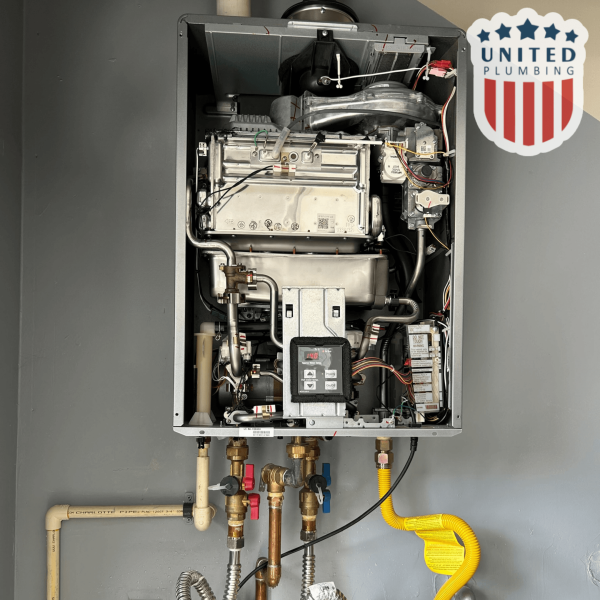
Inside the heater, parts can wear out over time. The heat exchanger may crack or corrode, causing water to leak. Valves and seals also fail, letting water escape. Mineral buildup can damage components and lead to leaks. Regular checks help catch these issues before they worsen.
Pipe And Connection Problems
Pipes and connections often cause leaks around the unit. Loose fittings let water drip slowly or spray. Corroded pipes weaken and develop holes. Incorrect installation increases leak risks at joints. Tightening and replacing old pipes prevent these leaks effectively.
Pressure And Temperature Factors
High water pressure stresses the heater and pipes. Too much pressure can burst seals or pipes inside the unit. Extreme temperature changes cause metal parts to expand and crack. A pressure relief valve that fails may let water leak out. Monitoring pressure and temperature keeps the system safe.

Credit: windtravel.ch
Diagnosing The Leak
Diagnosing a leak inside a tankless water heater is key to fixing the problem fast. Early detection stops water damage and saves money. Knowing where the leak starts helps you decide the next steps. Use simple methods to find leaks without special tools. Some leaks are easy to see. Others hide in tough spots.
Visual Inspection Techniques
Start with a close look at the water heater. Check all pipes and joints for wet spots. Look under the unit for puddles or drips. Check the valves and fittings for rust or corrosion. Watch for water stains or mineral buildup. These signs often point to leaks. Use a flashlight to see dark corners clearly. Take your time and be thorough.
Detecting Hidden Drips
Some leaks hide behind panels or inside the heater. Place dry paper towels around suspect areas. Check towels after a few hours for dampness. Feel pipes and connections for moisture. Listen for dripping sounds in quiet rooms. Use your nose for musty or moldy smells. These clues reveal leaks you cannot see. Mark wet spots to track changes.
Using Pressure Tests
Pressure tests help find leaks in sealed systems. Turn off the water heater and close valves. Attach a pressure gauge to the water line. Watch the gauge for pressure drops over time. A drop means water escapes somewhere. Use this method to check hidden leaks. It requires basic tools but gives clear results. Call a professional if unsure how to proceed.
Repairing Internal Leaks
Internal leaks in a tankless water heater need quick attention. Small leaks can cause big problems like water damage and higher bills. Repairing these leaks helps your heater work well and last longer. Understanding the common causes of leaks inside the unit is key to fixing them properly.
Replacing Faulty Seals
Seals stop water from escaping inside the heater. Over time, seals can wear out or break. Replacing these seals stops leaks and protects other parts. Use the right seal type for your model. Always check seals during regular maintenance to avoid leaks.
Fixing Corroded Parts
Corrosion damages metal parts inside the heater. Rust can create holes and let water leak out. Replace corroded parts fast to prevent bigger damage. Clean the area before installing new parts. Use corrosion-resistant materials to improve durability.
Addressing Valve Malfunctions
Valves control water flow inside the heater. A broken valve can cause leaks or poor water pressure. Test valves for proper function regularly. Replace faulty valves to stop leaks and keep water flow steady. Valve problems can affect the whole heating system.
Credit: www.genexuk.co.uk
Preventive Maintenance Tips
Preventive maintenance helps keep your tankless water heater working well. Small checks and care stop leaks inside the unit. These tips save money and avoid big repairs. Follow these simple steps often to protect your heater.
Regular Flushing Procedures
Mineral buildup harms your tankless water heater. Flushing removes these deposits. Do this every year or as your manual says. Turn off the power and water supply first. Attach a hose to the drain valve. Let vinegar or a cleaning solution run through. This clears out scale and improves flow.
Checking Pressure Relief Valves
Pressure relief valves stop too much pressure inside. Check them regularly for leaks or blockages. Lift the valve lever and let some water flow out. If water keeps dripping or no water flows, replace the valve. Faulty valves can cause leaks and damage your heater.
Monitoring Water Quality
Hard water causes scale and corrosion inside your heater. Test water hardness often. Use a water softener if needed. Soft water extends the heater’s life and cuts down leaks. Good water quality means fewer problems and better heating performance.
When To Call A Professional
Knowing when to call a professional for a tankless water heater leaking inside is important. Small leaks might seem easy to fix. But some issues need expert care to avoid bigger problems. A professional can find hidden damages and fix them safely.
Ignoring a leak can cause water damage or even electric hazards. Timely help saves money and stress. Learn when a pro should handle the repair.
Complex Leak Issues
Leaks inside a tankless water heater can be hard to find. Some leaks hide in pipes or internal parts. Professionals use special tools to spot these problems. Complex leaks often need expert skills to fix. Trying to repair these leaks alone can cause more damage.
Warranty And Safety Concerns
Many tankless water heaters come with a warranty. Doing repairs yourself might void this warranty. Professionals follow safety rules and keep the warranty valid. Water heaters use electricity and hot water. This can be dangerous without proper knowledge. A trained technician knows how to work safely and avoid risks.
Cost-effective Repair Decisions
Calling a professional helps decide the best fix. Sometimes repairs cost more than replacing parts. Experts can suggest the most affordable and lasting option. Quick fixes might cause more leaks later. A professional repair saves money over time.
Frequently Asked Questions
Why Is My Tankless Water Heater Leaking Inside?
Leaks inside a tankless water heater often stem from corrosion, loose connections, or damaged seals. Regular maintenance can prevent such issues. Check for visible damage and call a professional if leaks persist.
Can A Leaking Tankless Water Heater Cause Damage?
Yes, leaks can damage walls, floors, and electrical components. Early detection helps avoid costly repairs. Fix leaks promptly to protect your home and ensure the heater works efficiently.
How Do I Stop My Tankless Water Heater From Leaking?
Turn off the water and power supply immediately. Inspect for loose fittings or damaged parts. Tighten connections or replace faulty components. If unsure, hire a licensed plumber for repairs.
Is It Normal For A Tankless Water Heater To Leak Slightly?
A small drip may occur due to condensation but persistent leaks are not normal. Continuous leaking indicates a problem needing professional inspection and repair to prevent further damage.
Conclusion
A leaking tankless water heater can cause serious problems fast. Check for leaks often to catch issues early. Fix small leaks quickly to avoid bigger damage. Regular care keeps your heater working well longer. Call a professional if the leak seems bad.
Don’t ignore drips—they waste water and energy. Staying alert saves money and stress in the long run. Keep your home safe and warm by acting fast. Simple steps make a big difference for your water heater.