
When it comes to your water heater, safety is not something you want to overlook. One crucial part that often gets ignored is the pressure relief valve pipe size.
You might wonder, why does the size of this pipe matter? The truth is, using the right pipe size can protect your home from dangerous pressure build-up and costly damage. If you want to keep your water heater running smoothly and your family safe, understanding this simple detail is key.
Keep reading, and you’ll discover exactly what pipe size you need and why it makes all the difference.
Purpose Of Pressure Relief Valve
The pressure relief valve helps keep a water heater safe. It stops the tank from getting too much pressure. Too much pressure can cause the tank to break or even explode. The valve opens when pressure is high and lets water out. This lowers the pressure inside the tank.
Having the right pipe size connected to the valve is very important. The pipe moves water safely away from the heater. If the pipe is too small, water may not flow out fast enough. This can cause problems with the valve and the heater.
Choosing the correct pipe size helps the valve work well. It protects your home and keeps the water heater lasting longer. Always follow the rules for pipe size when installing this valve.
Common Pipe Sizes
The standard pipe sizes for water heater pressure relief valve pipes are usually 3/4 inch or 1 inch. These sizes fit most home water heaters and ensure safety.
Using the right size is important to allow water to flow freely if pressure builds up. Smaller pipes may cause blockages or pressure problems.
| Pipe Size | Common Use | Diameter (inches) |
|---|---|---|
| 3/4 inch | Residential water heaters | 0.75 |
| 1 inch | Larger or commercial heaters | 1.00 |
Material types for these pipes include copper, CPVC, and galvanized steel. Copper is common because it handles heat well and lasts long.
CPVC pipes are easier to install but less heat resistant. Galvanized steel is strong but can corrode over time.
Sizing Guidelines
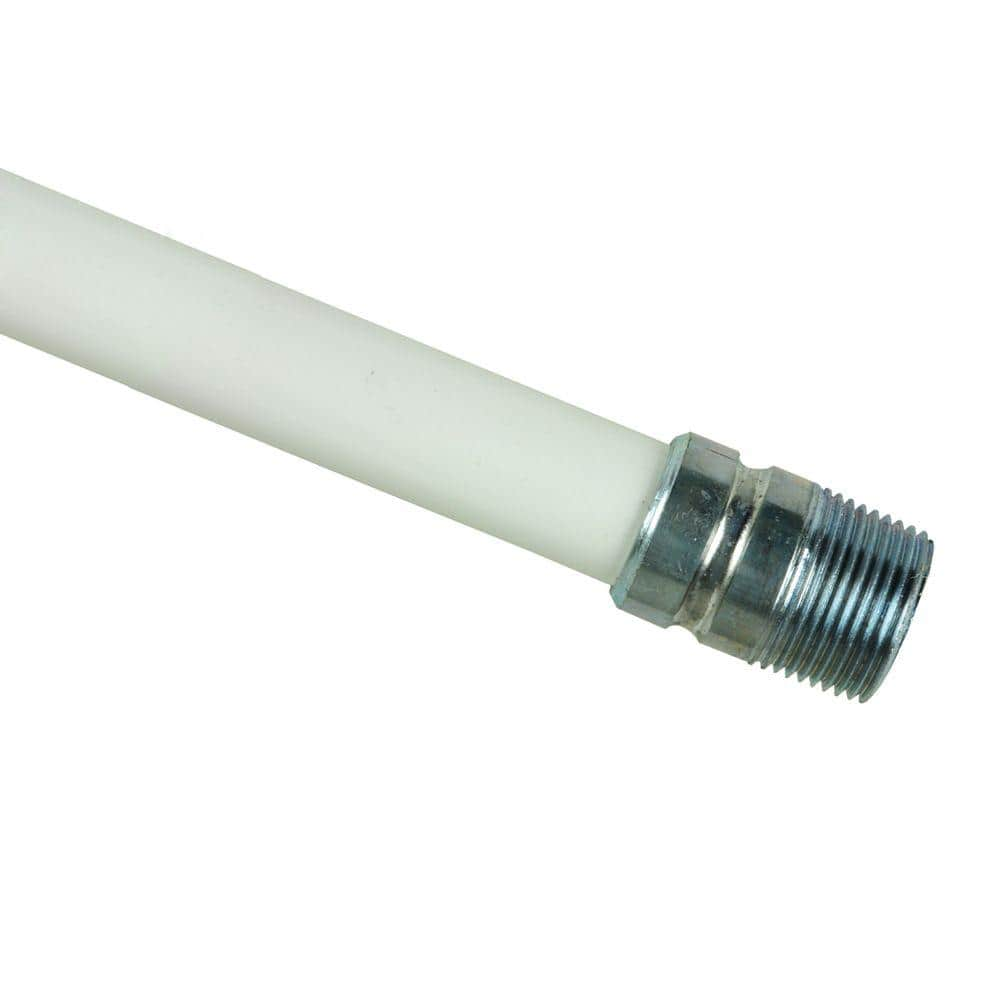
The pipe size for a water heater pressure relief valve must follow manufacturer guidelines. Most manufacturers suggest using a pipe size that matches the valve outlet. This is usually 3/4 inch diameter. Using the correct size helps avoid pressure build-up and allows safe water discharge.
Building codes also set rules for pipe size. Many codes require the relief valve pipe to be at least the same size as the valve outlet. Pipes must be installed so water flows easily without blockages. This keeps the system safe and working well.
| Source | Recommended Pipe Size |
|---|---|
| Manufacturer | Match valve outlet (usually 3/4 inch) |
| Building Codes | At least valve outlet size; no smaller |
Credit: www.homedepot.com
Installation Tips
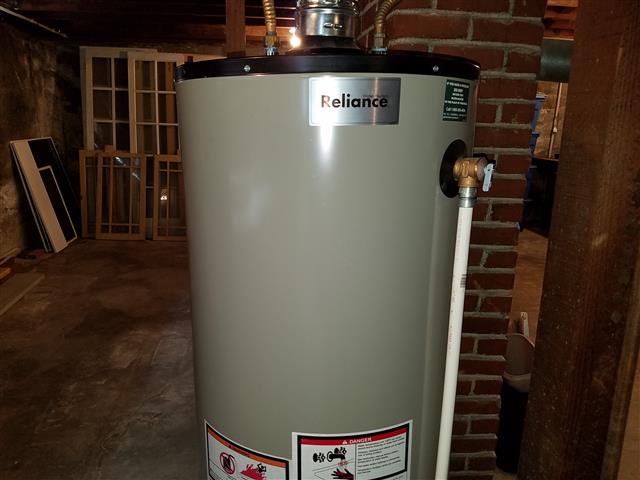
The pressure relief valve pipe must be installed in the correct direction. It should point downward or to the side to allow water to flow safely away. Avoid pointing the pipe upward to stop water buildup.
Use a pipe size that matches the valve’s outlet, usually 3/4 inch. This ensures proper water flow and prevents pressure issues. The pipe should run straight down at least 6 inches before bending.
Safety is key. Always turn off the water supply before working on the valve. Wear gloves and eye protection to avoid burns or injuries. Check for leaks after installation to keep your home safe.
Troubleshooting Issues
Leaks and drips from the pressure relief valve pipe can indicate several issues. Small drips may show normal pressure release, but steady leaks suggest a faulty valve or high system pressure. Check the pipe size; a pipe that is too small may cause excess pressure, leading to leaks. Ensure the pipe is properly connected and not cracked or damaged. Loose fittings can also cause water to drip.
Corrosion problems happen when the pipe or valve parts rust over time. This weakens the pipe and may cause leaks or breaks. Using galvanized or copper pipes helps prevent corrosion. Regular inspection is important; look for rust spots, discoloration, or flaking. Replace any corroded parts quickly to avoid bigger damage.

Credit: www.kingheating.com
Maintenance And Replacement
The pressure relief valve pipe should be checked often. It helps keep the water heater safe.
Look for signs of wear like rust, cracks, or leaks on the pipe. These show the pipe may fail soon.
Check the pipe every 6 months or after any strong weather or changes in water pressure.
If the pipe is damaged or clogged, it must be replaced right away to avoid accidents.
Use the right pipe size for replacement. Usually, 3/4 inch pipes fit most valves.
Cleaning the pipe regularly helps it work well and last longer.
Credit: site-craft.net
Frequently Asked Questions
What Size Pipe Is Used For Water Heater Pressure Relief Valve?
Typically, a 3/4-inch diameter pipe is used for water heater pressure relief valves. This size ensures safe and efficient pressure release.
Why Is Pipe Size Important For Pressure Relief Valves?
Proper pipe size prevents excessive pressure buildup and ensures safe water discharge. Incorrect sizing can cause leaks or valve failure.
Can I Use A Smaller Pipe For The Relief Valve?
Using a smaller pipe may restrict water flow, causing pressure issues and potential safety hazards. Always follow manufacturer guidelines.
How Long Should The Pressure Relief Valve Pipe Be?
The pipe should be long enough to safely direct water away but not so long that it causes pressure buildup. Usually, it ends near the floor.
Conclusion
Choosing the right pipe size for your water heater’s pressure relief valve matters. It keeps your system safe and working well. Using the correct pipe size helps avoid leaks and pressure build-up. A small pipe may cause problems, while a larger one fits better.
Always check local codes or ask a professional if unsure. Proper pipe sizing protects your home and saves money. Simple steps make a big difference in water heater safety. Keep this in mind for a reliable and safe water heater system.