
Have you noticed your water pressure dropping right after you drained your water heater? It’s frustrating when your showers feel weak, and your taps barely trickle.
You might wonder why this is happening and how to fix it quickly. Understanding the reasons behind low water pressure after draining your water heater can save you time, money, and stress. Keep reading to discover simple steps you can take to restore your water flow and keep your home running smoothly.
Causes Of Low Water Pressure
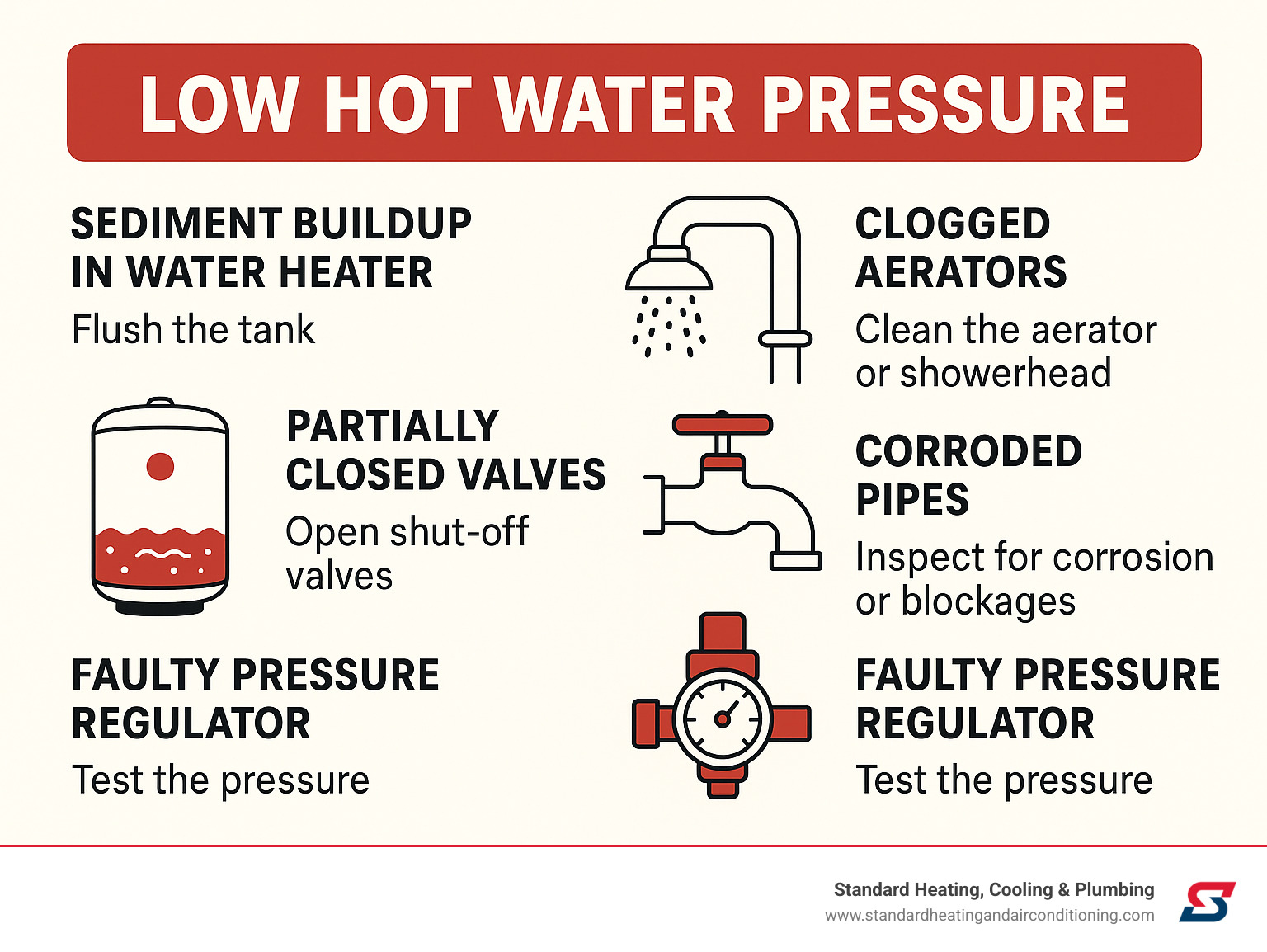
Credit: www.standardheatingandairconditioning.com
Low water pressure after draining a water heater can be frustrating. It stops you from enjoying a strong water flow. Several common causes can reduce water pressure in your home. Understanding these causes helps you fix the problem faster.
Air Trapped In Pipes
Air can get trapped inside your plumbing system. This usually happens after draining the water heater. The trapped air blocks water flow. It creates a sputtering or weak flow from your taps. Bleeding the air out of the pipes often solves this issue.
Sediment Buildup
Water heaters collect sediment over time. Sediment is dirt and minerals that settle at the tank’s bottom. It clogs pipes and valves inside the heater. This buildup reduces water flow and pressure. Regular flushing of the water heater can prevent sediment problems.
Valve Issues
Valves control water flow in your plumbing. A partially closed valve lowers water pressure. Sometimes, valves get stuck or damaged after draining the heater. Check all valves near the heater and main water supply. Make sure they are fully open and working well.
Leaks In Plumbing
Leaks cause water to escape before it reaches your faucet. Small leaks can reduce pressure noticeably. Draining the heater may worsen existing leaks. Inspect pipes and connections around the heater for drips or moisture. Fixing leaks restores normal water pressure quickly.
Effects Of Draining A Water Heater
Draining a water heater can affect water pressure in several ways. Understanding these effects helps you manage any issues after maintenance. Water pressure may drop temporarily or fluctuate due to changes inside the system. Some common effects include sediment dislodging, pressure shifts, and airlocks. These impact how water flows through your pipes after draining.
Dislodging Sediment
Over time, sediment builds up at the bottom of the water heater tank. Draining the tank moves this sediment around. It can block pipes or valves, reducing water flow. This blockage causes lower water pressure until the sediment clears out. Flushing the system multiple times can help remove these deposits fully.
Pressure Fluctuations
Draining changes the water volume inside the tank. This shift causes pressure to rise or fall briefly. The water pressure can feel uneven when you turn on taps. The pressure usually stabilizes as the tank refills and air escapes. Patience is key during this adjustment period.
Temporary Airlocks
Air can enter the pipes while draining the heater. These trapped air bubbles block water flow and lower pressure. Tapping pipes or running water helps release the airlocks. Fixing airlocks quickly restores normal water pressure in your home.
Troubleshooting Low Water Pressure
Low water pressure after draining a water heater can be frustrating. It often signals an issue that needs a quick fix. Troubleshooting this problem involves simple checks you can do yourself. These steps help restore water flow and prevent future issues.
Checking For Airlocks
Airlocks block water flow inside pipes. They occur when air gets trapped after draining the heater. To remove airlocks, open all hot water taps fully. Let the water run for a few minutes. This action pushes trapped air out. If pressure improves, airlocks were the cause.
Inspecting Valves
Valves control water flow to and from the heater. Sometimes valves close partially or get stuck. Check the main water valve and the heater’s shut-off valve. Make sure they are fully open. Clean any debris around the valves. This step often restores proper water pressure.
Examining For Leaks
Leaks reduce water pressure by wasting water. Look around the heater and pipes for wet spots or dripping. Check under sinks and along visible pipes. Small leaks can cause big pressure drops. Fix leaks promptly to avoid damage and low pressure.
Flushing The System
Flushing removes sediment buildup inside the heater. Sediment blocks water flow and lowers pressure. Drain the heater completely, then refill it slowly. Repeat this process if needed. Regular flushing keeps the system clean and maintains good pressure.

Credit: clubbalonmanomalaga.com
Preventing Future Pressure Problems
Low water pressure after draining a water heater can cause frustration. Preventing future pressure problems helps keep your water flow steady. Taking simple steps can avoid these issues. Regular care and smart tools protect your system. This section explains how to prevent pressure drops effectively.
Regular Maintenance
Check your water heater regularly. Look for leaks, rust, or buildup inside the tank. Flush the tank every six months to remove sediment. Sediment blocks pipes and lowers pressure. Clean or replace the anode rod to stop corrosion. Regular checks keep your water heater working well and pressure steady.
Proper Draining Techniques
Drain your water heater carefully. Turn off power or gas before draining. Attach a hose to the drain valve to direct water outside. Open the valve slowly to avoid sudden pressure drops. Allow air to enter the tank by opening a hot water tap. This method helps keep the water pressure stable after draining.
Installing Pressure Regulators
Pressure regulators control water flow into your home. They stop pressure from getting too high or low. Install a pressure regulator near the main water line. This device protects pipes and fixtures from damage. It ensures consistent water pressure, even after draining your water heater. Pressure regulators add a layer of safety and comfort.
When To Call A Professional
Knowing when to call a professional is important after draining your water heater. Some issues need expert help to avoid damage. Ignoring signs can lead to bigger problems and costly repairs. Here are clear signs that show it is time to call a plumber.
Persistent Low Pressure
Low water pressure that stays low after draining the heater needs attention. Simple fixes may not solve this problem. A professional can check for hidden blockages or damaged pipes. They have tools to measure pressure accurately and find the cause fast.
Complex Plumbing Issues
Some plumbing problems are hard to fix without training. Issues like pipe corrosion, leaks inside walls, or valve failures require skill. Attempting repairs without experience can make things worse. A plumber knows how to handle complex systems safely and correctly.
Safety Concerns
Water heaters connect to electrical and gas lines. Mistakes can cause leaks, fires, or electric shocks. Professionals follow safety codes and use proper tools. Do not risk your safety by trying risky repairs yourself. Call an expert to keep your home safe.
:max_bytes(150000):strip_icc()/how-to-drain-a-water-heater-2719055-03-a76b7ec80c02470bb21b6d611fd8e5e2.jpg)
Credit: megaprojects.com
Frequently Asked Questions
Why Is Water Pressure Low After Draining Water Heater?
Low water pressure after draining a heater often results from trapped air or sediment buildup. Air pockets can block water flow, and sediment may clog pipes or valves. Flushing the system thoroughly and bleeding air from the heater usually restores normal pressure.
How To Fix Low Water Pressure Post Water Heater Draining?
To fix low pressure, first check for air trapped in pipes. Open hot water faucets to release air. Also, inspect and clean the water heater’s inlet screen and valves. If sediment buildup is severe, consider a professional flush or maintenance.
Can Sediment Cause Water Pressure Issues After Draining?
Yes, sediment can settle in the tank and pipes, reducing flow. When you drain the heater, some sediment may loosen and clog valves or lines. Regular flushing prevents sediment buildup and maintains proper water pressure.
Does Draining A Water Heater Affect Overall Water Pressure?
Draining a water heater can temporarily lower pressure due to air entering the system. Once air is bled out and sediment cleared, pressure should return to normal. Persistent low pressure indicates other plumbing issues.
Conclusion
Low water pressure after draining your water heater can be frustrating. Check for airlocks or sediment buildup inside the pipes. Cleaning the heater or flushing the system often helps. Also, inspect valves and connections for blockages or damage. Regular maintenance keeps water flow steady and strong.
Small fixes can restore your water pressure quickly. Don’t ignore the problem; it may get worse over time. Taking simple steps saves time and money in the long run. Stay patient and follow these tips to improve your water pressure today.