Have you ever turned on your tankless water heater, only to see the frustrating E1 error code pop up? If so, you’re not alone.
This common issue can leave you without hot water when you need it most. But don’t worry—understanding what the E1 code means and how to fix it can save you time, money, and stress. You’ll discover simple steps to identify the problem and get your water heater back to work quickly.
Keep reading to take control of your hot water and avoid future surprises.

Credit: www.youtube.com
What E1 Code Means
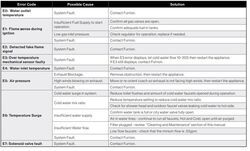
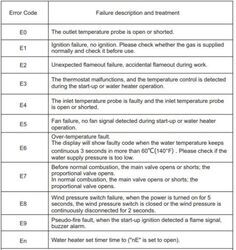
The E1 code on a tankless water heater signals a problem that needs attention. It is a common error that indicates the heater is not working properly. Understanding what this code means helps you take quick action. It also prevents bigger issues from developing.
This code usually appears on the display panel. It alerts you to check the heater’s system. Knowing the cause of the E1 code helps in fixing the problem faster.
Common Causes Of E1 Error
The E1 error often points to a flame failure. This means the heater cannot detect a flame inside the burner. It may happen due to gas supply issues or a dirty burner. A blocked air intake or exhaust can also cause the flame to go out.
Other reasons include problems with the ignition system. A faulty igniter or sensor can trigger the E1 code. Electrical issues, such as loose wires, might also be the cause. Regular maintenance reduces the chance of these errors.
How It Affects Your Heater
When the E1 code shows, the heater usually stops working. It will not heat water until the problem is fixed. This can cause inconvenience and affect your daily routine.
Ignoring the E1 error can damage the heater’s parts. It may lead to expensive repairs or a full replacement. Timely attention to the code ensures your water heater runs safely and efficiently.
Checking Power Supply
Checking the power supply is the first step to fix the E1 error code on a tankless water heater. This code often means the unit is not getting enough electricity. Without proper power, the water heater cannot work well or may stop completely.
Start by making sure the water heater is connected to a power source. Sometimes, the issue is a loose wire or a tripped breaker. Careful inspection can find these simple problems fast.
Inspecting Electrical Connections
Turn off the power before you check any wires. Look for loose or damaged wires around the heater’s power input. Tighten any loose connections with a screwdriver. If you see burnt or melted wires, they need replacement. Check the circuit breaker too. Reset it by flipping it off and on again. This can restore power to the unit and clear the E1 code.
Resetting The Unit
Many tankless water heaters have a reset button. Press this button to restart the system. This can fix minor electrical glitches and clear error codes. If there is no reset button, unplug the unit. Wait 5 minutes, then plug it back in. This simple step can often bring the heater back to normal operation.
Examining Water Flow Issues
Tankless water heaters show an E1 code often due to water flow problems. These issues stop the heater from working right. Checking the water flow helps fix the problem fast. It also keeps the heater safe and efficient.
Cleaning Or Replacing Filters
Filters catch dirt and debris in water. Over time, they get clogged and block water flow. Cleaning filters removes the buildup and lets water pass freely. If a filter is very dirty or damaged, replace it with a new one. Clean filters help the heater run smoothly and stop the E1 code.
Ensuring Proper Water Pressure
Water pressure must be strong enough for the heater to work. Low pressure can cause the E1 error. Check the pressure using a gauge. If it is too low, look for leaks or closed valves. Fixing these restores the right flow. Proper pressure keeps hot water steady and the heater safe.
Credit: www.etrailer.com
Inspecting Temperature Sensors
Temperature sensors play a key role in tankless water heaters. They monitor water temperature and send signals to the heater’s control board. A problem with these sensors can trigger the E1 error code. Checking these sensors helps find the cause of the issue. It also prevents damage to the heater and keeps hot water flowing.
Testing Sensor Functionality
Testing the sensors is simple and important. First, turn off the power to the heater. Locate the temperature sensors, usually near the water pipes. Use a multimeter to check sensor resistance. Compare the readings with the heater’s manual. A wrong reading means the sensor may be faulty. Testing helps confirm if sensors work correctly or need replacement.
Replacing Faulty Sensors
Replace sensors that fail the test. Start by turning off the power and water supply. Remove the old sensor carefully. Install the new sensor in the same spot. Connect wires securely and avoid damage. Turn the water and power back on. Check the heater for normal operation. Replacing bad sensors can clear the E1 error and restore heat.
Clearing Air Locks
Air locks can cause the E1 error code on your tankless water heater. Air trapped in the pipes stops water from flowing properly. This problem lowers the heater’s efficiency and may cause it to stop working.
Clearing air locks is necessary to keep your water heater running smoothly. It helps restore the water flow and prevents damage to the system. Follow simple steps to remove the trapped air and avoid future issues.
Bleeding Air From The System
Start by turning off the water heater and closing the main water valve. Locate the bleed valve on the water heater or nearby pipes. Open the bleed valve slowly to let air escape. You will hear a hissing sound as air leaves the system.
Wait until water flows steadily from the valve without bubbles. Close the bleed valve tightly. Open the main water valve again. Turn on the water heater and check if the E1 code disappears.
Preventing Future Air Buildup
Regularly inspect your water system for leaks or loose connections. Leaks can let air enter the pipes and cause air locks. Keep the water pressure within the recommended range for your heater.
Flush your water heater at least once a year. This removes sediment and air pockets that build up inside. Use a water softener if your water is hard, to reduce mineral deposits. These steps help keep your heater working well and avoid E1 errors.
When To Call A Professional
The Tankless Water Heater E1 code signals a problem needing attention. Acting quickly can avoid bigger damage and costly repairs. Some issues need a professional’s tools and skills to fix right. Knowing when to stop and call an expert saves time and stress.
Signs You Need Expert Help
Persistent E1 code errors despite resets mean a serious issue. Strange noises from the heater can show internal faults. Water temperature that changes suddenly or never gets hot is a clear sign. Smells of gas or burning require immediate professional attention. Leaks or water pooling near the heater are not normal.
Avoiding Common Diy Mistakes
Ignoring warning signs can lead to bigger problems. Trying to fix electrical parts without knowledge is dangerous. Using wrong replacement parts can damage the heater. Skipping the power shutdown risks shocks or burns. Over-tightening connections can cause leaks. Calling a professional ensures safe and correct repairs.
Credit: www.etrailer.com
Frequently Asked Questions
What Does The E1 Code Mean On A Tankless Water Heater?
The E1 code indicates a flame failure or ignition error in the heater. It means the unit failed to ignite properly. This can be caused by gas supply issues, dirty sensors, or electrical problems. Resolving it ensures safe and efficient operation.
How To Fix The E1 Error On A Tankless Water Heater?
To fix the E1 error, first check the gas supply and ensure it’s on. Clean the flame sensor and burner area. Reset the unit by turning it off and on. If the problem persists, call a professional technician for inspection.
Can The E1 Code Cause The Water Heater To Stop Working?
Yes, the E1 code often causes the heater to shut down as a safety measure. It prevents gas leaks and unsafe combustion. Addressing the error is essential to restore hot water and ensure safe operation.
Is The E1 Error Common In All Tankless Water Heaters?
The E1 error is common in many brands of tankless water heaters. It generally points to ignition or flame detection issues. Regular maintenance can help prevent this error and keep your heater functioning properly.
Conclusion
The E1 code on your tankless water heater shows a problem with ignition. Fixing this issue helps restore hot water quickly. Check for fuel supply or vent blockages first. Sometimes, cleaning the unit solves the error. If problems continue, calling a professional is best.
Regular maintenance keeps your heater running smoothly. Understanding this code saves time and avoids bigger issues. Stay informed to keep your water heater working well.