
Is your electric hot water heater acting up when you need it most? You’re not alone.
When your water heater stops working properly, it can disrupt your daily routine and cause frustration. But don’t worry you don’t have to call a plumber just yet. With a few simple troubleshooting steps, you can often find the problem and fix it yourself.
In this guide, you’ll learn how to identify common issues and get your electric hot water heater back on track quickly and safely. Keep reading, and take control of your hot water problems today.
Common Problems
Electric hot water heaters can face several common problems. These issues often cause inconvenience and need quick attention. Understanding these problems helps you fix them or know when to call a professional.
No Hot Water
No hot water is the most frequent issue with electric heaters. It usually means a problem with the heating element or thermostat. Sometimes, a tripped circuit breaker cuts power to the heater. Checking the power supply and resetting the breaker might restore hot water.
If the heating element is faulty, it will not warm the water. Replacing the element can solve this issue. Thermostat failure can also stop the heater from working properly. Testing and changing the thermostat might be necessary.
Water Too Hot
Water that is too hot often means a thermostat set too high. A simple adjustment can fix this. Sometimes, the thermostat is broken and keeps heating nonstop. This can be dangerous and waste energy.
Lower the temperature setting to a safe level, usually around 120°F (49°C). If adjusting does not help, replacing the thermostat is a good idea. Avoid scalding by checking the water temperature regularly.
Strange Noises
Strange noises like popping or banging come from sediment build-up inside the tank. Sediment hardens at the bottom and causes these sounds. Flushing the tank removes sediment and stops the noise.
Other noises might mean loose parts or a failing heating element. Tightening parts or replacing the element can fix the problem. Regular maintenance prevents these issues from growing worse.
Leaks And Drips
Leaks and drips often appear around the tank or pipes. Corrosion can cause the tank to rust and leak. Tightening loose connections may stop minor drips.
Severe leaks usually need tank replacement. Check all valves and fittings for tightness. Small leaks left unchecked can cause water damage and higher bills.
:max_bytes(150000):strip_icc()/Water_heater_0616-fd10f9d489834e0d88d6f7706e207f6f.jpg)
Credit: smcontinental.com
Basic Checks
Basic checks help find simple problems with your electric hot water heater. These checks save time and avoid costly repairs. Start with easy steps to see if you can fix the issue yourself. Check the power, thermostat, and reset button first. These parts often cause common problems.
Power Supply
Check if the water heater has power. Look for tripped circuit breakers or blown fuses in your home’s electrical panel. Make sure the power switch near the heater is on. No power means the heater cannot work. Fixing power issues may solve the problem quickly.
Thermostat Settings
Look at the thermostat settings on the heater. The temperature might be set too low. Set it between 120°F and 140°F for best results. A wrong setting can stop hot water from heating properly. Adjust the thermostat and wait to see if water heats up.
Reset Button
Find the reset button on the water heater. It acts as a safety switch to stop overheating. Press the button firmly to reset the system. If the heater was too hot, this can fix the problem. If the button keeps tripping, call a professional for help.
Heating Element Issues
The heating element in an electric hot water heater plays a key role. It heats the water to the right temperature. Problems with this part often cause no hot water or inconsistent heat. Knowing how to check and fix the heating element saves time and money.
Testing The Element
Start by turning off the power supply to the heater. Use a multimeter to test the heating element. Set the meter to the resistance setting. Touch the probes to the element’s terminals. A good element shows a low resistance reading. A very high or infinite reading means the element is faulty. Also, check for any visible damage or corrosion on the element.
Replacing The Element
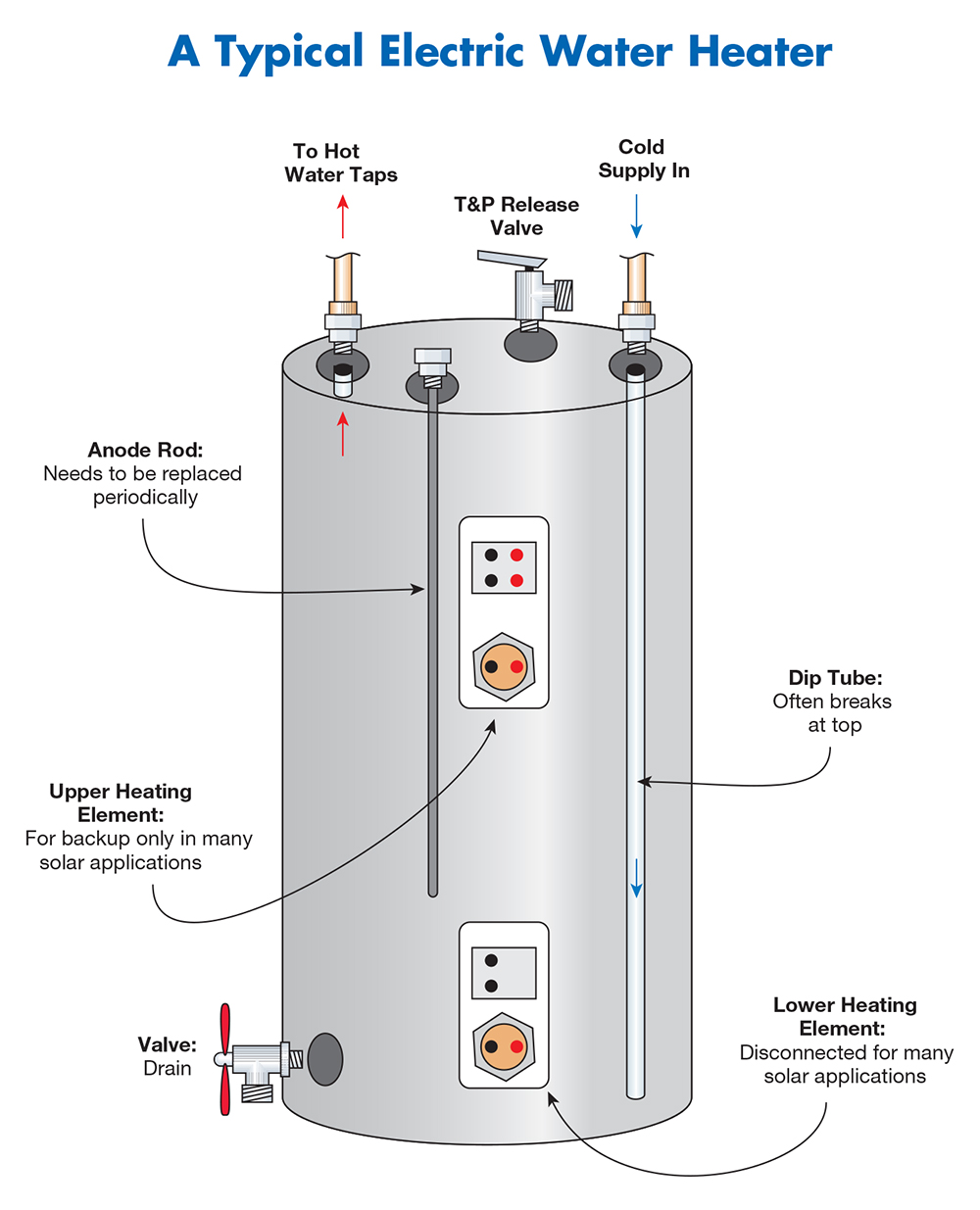
After confirming the element is bad, you need to replace it. First, drain the water heater to avoid spills. Use a wrench to remove the old element carefully. Install the new element in the same position. Tighten it securely but avoid over-tightening. Refill the tank with water before turning the power back on. Test the heater to ensure it works properly. Always follow safety rules during replacement.
Credit: www.spec-school.org
Thermostat Troubleshooting
The thermostat controls the water temperature in an electric hot water heater. It tells the heater when to turn on or off to keep water warm. Problems with the thermostat can cause water to be too hot, too cold, or not heat at all. Fixing thermostat issues can often restore your hot water quickly and easily.
Checking Thermostat Function
First, turn off the power to the heater to stay safe. Remove the access panel and insulation to see the thermostat. Use a multimeter to test the thermostat’s continuity. No continuity means the thermostat is not working. Also, check the wires for loose connections or damage. A faulty thermostat usually needs replacement for proper heating.
Adjusting Or Replacing Thermostat
Adjust the thermostat setting if water is too hot or cold. Turn the dial slightly up or down to change the temperature. Wait an hour and check if water temperature improves. If the thermostat does not respond, replace it. Match the new thermostat model with your heater’s specifications. After replacement, restore power and test the heater for proper function.
Pressure Relief Valve
The pressure relief valve is an important safety feature on electric hot water heaters. It helps prevent too much pressure from building up inside the tank. This valve opens to release water if the pressure goes beyond a safe limit. Without it, the tank could burst or cause serious damage.
Checking and maintaining the pressure relief valve keeps your water heater safe and working well. Problems with this valve can cause leaks or pressure issues. Knowing how to inspect and replace it can save time and money.
Inspecting For Leaks
Start by looking at the pressure relief valve for any signs of water leaks. Check around the valve and the pipe attached to it. Even small drips can mean the valve is not sealing properly. Look for rust or corrosion as well. These signs show the valve may be failing.
Test the valve by lifting the lever carefully. Water should flow out and stop when you release the lever. If no water comes out or it keeps leaking, the valve needs attention. Regular inspection helps catch problems early.
Valve Replacement
Replace the pressure relief valve if it leaks constantly or does not open properly. Turn off power and water supply before starting. Drain some water from the tank to avoid spills. Use a wrench to remove the old valve carefully.
Install a new valve of the same size and pressure rating. Tighten it securely but do not overtighten. Turn the water and power back on. Test the new valve to ensure it works correctly. Proper replacement protects your heater and home safety.
Sediment Buildup
Sediment buildup happens inside electric hot water heaters over time. Minerals in water settle at the tank’s bottom. This layer reduces heating efficiency and can cause damage. It leads to longer heating times and higher energy bills. Sediment can also clog pipes and reduce hot water flow. Regular maintenance helps keep the tank clean and working well.
Flushing The Tank
Flushing removes sediment from the water heater tank. Turn off the power and cold water supply first. Attach a hose to the drain valve at the tank’s base. Open the valve and let water flow out until clear. This process clears out sediment and debris. Close the valve and refill the tank before turning power back on. Flushing once or twice a year keeps the heater efficient.
Preventing Sediment
Use a water softener to reduce mineral content in water. Regular flushing slows sediment buildup. Lowering the water temperature also helps reduce deposits. Check the anode rod yearly and replace if needed. The rod attracts minerals, protecting the tank. Proper care extends the heater’s life and improves performance.
Electrical Components
The electrical components of an electric hot water heater are key to its function. These parts control power flow and heating. Problems in these components often cause the heater to stop working.
Understanding the basics can help solve many issues quickly. Two important areas to check are the circuit breaker and the wiring. Both affect the heater’s power supply and safety.
Circuit Breaker Reset
The circuit breaker protects the heater from electrical overload. It can trip and cut power to stop damage. Check the breaker box for any tripped switches.
Reset the breaker by switching it off and then back on. This may restore power to the heater. If the breaker trips again, avoid resetting repeatedly. This signals a bigger electrical problem.
Wiring Inspection
Wiring connects the power source to the heater’s internal parts. Loose or damaged wires cause power loss or short circuits. Turn off the power before inspecting any wiring.
Look for signs of wear, burns, or loose connections. Tighten any loose wires carefully. Replace damaged wires immediately to prevent hazards. Proper wiring keeps the heater safe and functional.

Credit: www.youtube.com
When To Call A Professional
Knowing when to call a professional for electric hot water heater problems saves time and avoids risks. Some issues require expert skills to fix safely and correctly. Recognizing these signs helps keep your home safe and your water heater working well.
Safety Concerns
Electric hot water heaters use high voltage. Mishandling can cause electric shock or fire. Strange smells, sparks, or burning sounds need immediate expert attention. Water leaks near electrical parts also pose danger. Avoid touching or trying to fix these issues yourself.
Complex Repairs
Replacing heating elements or thermostats can be tricky. Incorrect repairs may cause more damage or waste energy. Problems with wiring or circuit breakers need professional tools and knowledge. Professionals diagnose and fix complex faults quickly. Trust experts to keep your water heater safe and efficient.
Frequently Asked Questions
How Do I Reset My Electric Hot Water Heater?
To reset, locate the reset button on the thermostat panel. Press it firmly until you hear a click. This often resolves minor electrical issues and restores heating function.
Why Is My Electric Water Heater Not Heating Water?
Common causes include a tripped breaker, faulty thermostat, or heating element failure. Check the power supply and reset breakers before inspecting components.
How Can I Test The Heating Element In My Water Heater?
Turn off power, remove access panel, and use a multimeter to check resistance. A reading outside the normal range indicates a faulty element.
What Causes Water To Be Too Hot Or Cold Intermittently?
Thermostat settings may be incorrect or faulty. Sediment buildup can also cause temperature fluctuations by insulating the heating element.
Conclusion
Troubleshooting an electric hot water heater can save time and money. Check the power supply and reset the breaker first. Test the thermostat and heating elements for faults. Regular maintenance helps prevent common problems. Simple fixes often restore hot water quickly.
Know when to call a professional for safety. Staying calm and following steps makes the process easier. Keep your water heater running smoothly with basic care. Don’t ignore unusual noises or leaks. Your comfort depends on a working hot water heater.