
Is your water heater running nonstop, making your energy bills skyrocket? When your water heater won’t turn off, it can be frustrating and even dangerous.
You might be wondering why this is happening and what you can do to fix it quickly. You’ll discover the common reasons behind this issue and simple steps you can take to solve it. Keep reading to protect your home, save money, and get your water heater working the way it should.
Common Causes
Water heaters that won’t turn off can cause wasted energy and high bills. Understanding common causes helps fix the problem quickly. Several parts inside the heater can fail and stop it from shutting off.
Knowing these parts and how they work can make repair easier. Here are the main reasons why your water heater might keep running.
Faulty Thermostat
The thermostat controls the water temperature. A faulty thermostat can fail to sense the heat level. It may keep telling the heater to heat even when water is hot enough. This causes the heater to stay on continuously.
Broken Heating Element
The heating element warms the water inside the tank. A broken or shorted element can cause overheating. It may not turn off because the element keeps sending power to heat the water.
Malfunctioning Temperature Sensor
The temperature sensor checks if the water is hot enough. A malfunctioning sensor sends wrong signals to the control board. This can prevent the heater from switching off, even at the right temperature.
Pressure Relief Valve Issues
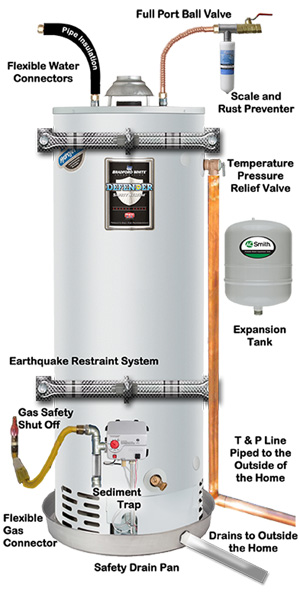
The pressure relief valve keeps the tank safe from too much pressure. If this valve is stuck or faulty, it might cause the heater to run nonstop. The system tries to keep water moving to reduce pressure.
Electrical Wiring Problems
Loose or damaged wiring inside the heater can cause control failures. Poor wiring can stop switches from working correctly. This can leave the heater running without stopping.
Troubleshooting Steps
Troubleshooting a water heater that won’t turn off can save time and money. Identifying the cause early prevents damage and improves safety. Follow these clear steps to find the problem quickly.
Checking The Thermostat Settings
The thermostat controls the water temperature. Make sure it is set to the correct level. Sometimes the setting is too high, causing the heater to run nonstop. Adjust the thermostat to a lower temperature. Observe if the heater stops after this change.
Inspecting The Heating Element
The heating element warms the water inside the tank. A damaged element may cause continuous heating. Turn off the power before inspecting. Look for signs of damage or corrosion. Replace the element if it looks worn out or broken.
Testing The Temperature Sensor
The temperature sensor tells the heater when to stop. A faulty sensor can give wrong readings. Use a multimeter to check the sensor’s resistance. Replace the sensor if it shows abnormal values. This can stop the heater from running endlessly.
Examining The Pressure Valve
The pressure valve releases excess pressure from the tank. A stuck valve can affect heater operation. Check if the valve moves freely. Clean or replace it if it is blocked or broken. Proper valve function helps the heater work correctly.
Evaluating Electrical Connections
Loose or damaged wires can cause heating issues. Turn off the power before checking connections. Inspect wires for breaks or corrosion. Tighten any loose connections carefully. Fixing electrical problems can restore normal heater function.
Diy Fixes
Water heaters that won’t turn off cause waste and high bills. Small problems often cause this issue. Many fixes you can do yourself. These fixes save money and time. Follow safe steps to avoid harm. Start with simple fixes before calling a pro.
Resetting The Thermostat
Locate the thermostat cover on the water heater. Turn off power to avoid shocks. Remove the cover carefully. Find the reset button near the thermostat. Press the reset button firmly. Wait a few minutes. Restore power and check if the heater stops heating.
Replacing The Heating Element
Turn off power and water supply. Drain water from the tank below the heating element. Unscrew the old heating element with a wrench. Install the new element tightly in place. Refill the tank with water. Turn power back on and test the heater’s function.
Fixing Loose Wiring
Switch off power at the breaker box. Remove the access panel on the heater. Check all wire connections for looseness. Tighten loose wires using a screwdriver. Replace any damaged wires safely. Close the panel and restore power. Observe if the heater works correctly now.
Cleaning Or Replacing The Valve
Locate the temperature and pressure relief valve. Turn off water and power supply. Carefully remove the valve from the tank. Clean any debris or mineral build-up inside. Replace the valve if damaged or leaking. Install the valve back securely. Turn water and power back on and test.
Credit: www.spec-school.org
When To Call A Professional
Knowing when to call a professional is key for water heater problems. Some issues are simple to fix, but others need expert help. Acting quickly can save you time and prevent damage.
Complex Electrical Issues
Water heaters use electricity, which can be dangerous. Faulty wiring or broken components need a professional’s skill. Attempting repairs without knowledge can cause shocks or fires. Let a licensed electrician handle complex electrical faults safely.
Persistent Heating Problems
If your water heater won’t turn off after many tries, it signals a serious problem. Simple fixes like resetting may not work. A professional can find hidden issues inside the unit. They have tools and experience to fix stubborn problems properly.
Safety Concerns
Water heaters involve heat and pressure, creating safety risks. Strange noises, leaks, or smells suggest trouble. Ignoring these signs can lead to accidents or damage. Call a professional to check and repair your water heater safely. Don’t risk your home or health.
Maintenance Tips
Proper maintenance keeps your water heater working well. It helps avoid problems like the heater not turning off. Follow these simple tips to keep your water heater safe and efficient. Regular care extends its life and saves energy.
Regular Inspection
Check the water heater for leaks or rust. Look at the pipes and connections carefully. Catch small problems before they grow bigger. Inspect the area around the heater for water damage. A quick look every few months can prevent costly repairs.
Flushing The Tank
Drain the tank once a year to remove sediment. Sediment builds up and can cause the heater to work harder. Flushing keeps the tank clean and efficient. Use the drain valve at the bottom to empty the water. Fill the tank again and check if the water runs clear.
Testing Safety Valves
Test the pressure relief valve to ensure it works well. This valve prevents the tank from over-pressurizing. Lift the valve lever and let water flow out briefly. If no water comes out, replace the valve. Safety valves protect your home from damage.
Monitoring Temperature Settings
Keep the thermostat at 120 degrees Fahrenheit. This temperature saves energy and prevents scalding. Too high a setting makes the heater run nonstop. Adjust the thermostat and watch if the heater stops correctly. Proper settings improve safety and efficiency.

Credit: www.youtube.com
Credit: cgoengenharia.com
Frequently Asked Questions
Why Won’t My Water Heater Turn Off Automatically?
A faulty thermostat or a stuck heating element often causes a water heater to stay on. It may overheat, failing to shut off. Check these parts first for proper function and replace if needed to ensure automatic shut-off.
How Can I Fix A Water Heater That Won’t Turn Off?
Start by turning off the power or gas supply to the heater. Inspect the thermostat and heating elements for damage. Replace faulty parts or call a professional plumber for repairs to prevent continuous operation and energy waste.
Is It Dangerous If My Water Heater Never Turns Off?
Yes, it can cause overheating and increase pressure inside the tank. This may lead to leaks or even explosions. Immediate inspection and repair are essential to maintain safety and avoid costly damage.
What Causes A Water Heater’s Thermostat To Fail?
Thermostats can fail due to age, mineral buildup, or electrical issues. These problems prevent accurate temperature regulation, causing the heater to run nonstop. Regular maintenance can prolong thermostat life and prevent failure.
Conclusion
A water heater that won’t turn off can cause trouble and waste energy. Fixing the problem quickly keeps your home safe and saves money. Regular checks help spot issues early and avoid big repairs. Simple steps like checking the thermostat or calling a pro make a big difference.
Stay alert to unusual noises or heat. Taking care of your water heater ensures hot water when you need it most. Don’t ignore signs; act fast for comfort and safety.