
Have you ever noticed your water heater making strange popping noises, almost like popcorn popping in a microwave? If so, you’re not alone—and it’s more common than you might think.
These sounds can be more than just a curious noise; they might be a warning sign that your water heater needs attention. Understanding why your water heater sounds like popcorn can help you avoid costly repairs and keep your hot water flowing smoothly.
Keep reading to find out what’s causing those pops and what you can do about it before it becomes a bigger problem.
Common Noises From Water Heaters
Water heaters make different sounds during use. Some noises are normal, while others signal problems. Understanding these sounds helps keep your heater working well. It also avoids costly repairs or replacements.
Why Water Heaters Pop
The popping sound comes from mineral buildup inside the tank. Hard water leaves deposits on the heater’s bottom. When the water heats, steam forms under the minerals. The steam escapes with a pop, like popcorn popping.
This noise means the tank needs cleaning. If ignored, the minerals can damage the heater. The heater works harder and uses more energy. Regular flushing removes buildup and stops popping sounds.
Other Sounds To Notice
Humming or buzzing sounds may come from the heating element. It can mean the element is wearing out or has loose wires. A rattling noise might mean sediment is loose inside the tank.
Clicking sounds often happen when the thermostat turns the heater on or off. This noise is normal but loud clicking could indicate thermostat issues. Strange noises should be checked to avoid bigger problems.

Credit: www.reddit.com
Reasons For The Popcorn Sound
The popping sound from your water heater can be surprising. It often signals an underlying issue. Understanding these reasons helps you decide the next steps. Below are common causes of the popcorn-like noise.
Sediment Buildup
Over time, minerals and dirt settle at the tank’s bottom. This layer traps water beneath it. When the heater warms the water, steam forms. The steam escapes with a pop, causing the noise. Sediment buildup reduces efficiency and can damage the heater.
Mineral Deposits
Hard water contains minerals that stick inside the tank. These deposits create hot spots. Hot spots cause water to bubble and pop loudly. Mineral deposits also shorten the heater’s lifespan. Regular cleaning can prevent this problem.
Heating Element Issues
Electric water heaters have heating elements that can wear out. Faulty elements may overheat or cause uneven heating. This uneven heat causes water to boil and pop. Replacing damaged elements stops the noise and improves heating.
Water Temperature Fluctuations
Sudden changes in water temperature cause popping sounds. When cold water enters the hot tank, it makes noise. High temperature settings increase the chance of popping. Keeping a steady temperature helps reduce these sounds.
Quick Fixes For Popping Sounds
Popping sounds from a water heater can be annoying and worrying. These noises usually mean there is sediment buildup or other issues inside the tank. Fixing these sounds quickly helps your water heater work better and last longer. Here are some easy steps to reduce or stop the popping noise.
Flushing The Tank
Flushing the tank removes sediment that causes popping sounds. Turn off the water heater and let it cool down. Connect a hose to the drain valve and drain the water outside or to a safe place. Open the valve and let the water flow until it runs clear. Close the valve, refill the tank, and turn the heater back on.
Adjusting The Temperature
High temperatures can cause water to boil and pop inside the tank. Check the thermostat setting on your water heater. Set it between 120°F and 140°F for safe and efficient heating. Lowering the temperature helps reduce popping noises and saves energy.
Checking The Heating Element
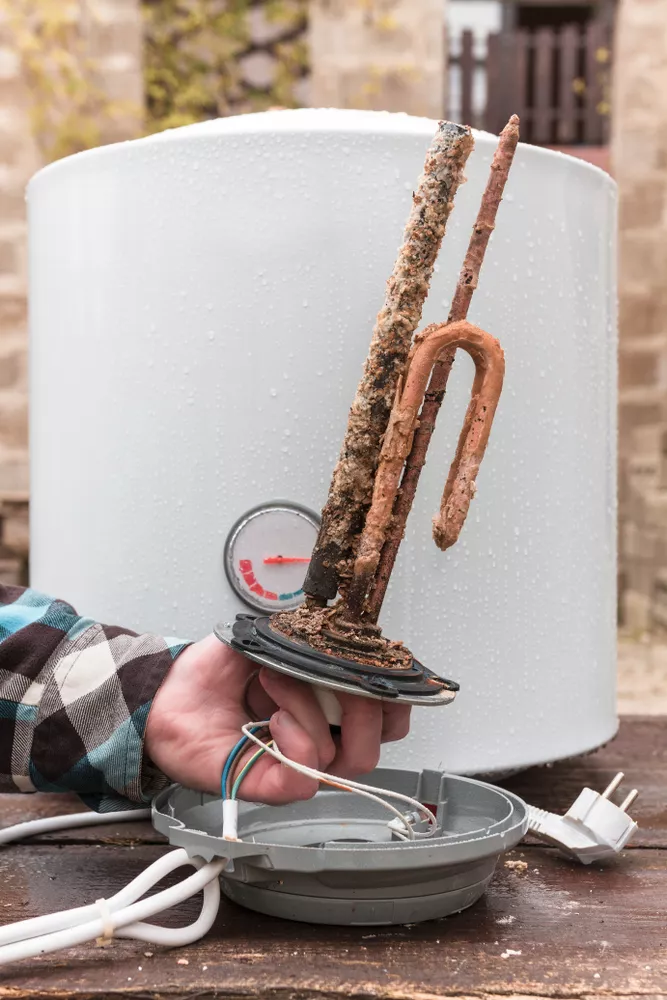
The heating element can wear out and cause popping sounds. Turn off power to the heater before checking. Use a multimeter to test the element for continuity. Replace the heating element if it shows signs of damage or does not work properly.
Replacing Anode Rod
The anode rod protects the tank from rust and sediment buildup. Over time, it wears out and loses effectiveness. Inspect the rod by removing it from the tank. Replace it if it is corroded or less than half an inch thick. A new anode rod helps prevent popping noises and extends tank life.
Credit: www.plumbingbyjake.com
Preventing Future Noises
Preventing future noises from your water heater keeps your home peaceful. Strange sounds like popcorn popping often signal issues. Taking steps to stop these sounds early helps your heater last longer. It keeps your water warm without surprises. Here are easy ways to keep your water heater quiet and efficient.
Regular Maintenance Tips
Check your water heater twice a year. Flush the tank to remove sediment buildup. Sediment causes popping noises and reduces heater efficiency. Clean the anode rod to stop corrosion inside the tank. Test the temperature setting and keep it around 120°F. This prevents overheating and noise. Keep the area around the heater clean and clear.
Water Softening Options
Hard water causes mineral deposits in your heater. These deposits create loud popping sounds. Install a water softener to reduce minerals like calcium and magnesium. Soft water helps your heater run smoothly. It lowers sediment buildup and noise. Choose a softener that fits your home size and water use.
Scheduling Professional Inspections
Hire a professional to inspect your heater yearly. Experts find small problems before they grow loud and costly. They check heating elements, pressure valves, and overall condition. Inspections keep your heater safe and quiet. Set reminders to schedule these visits on time. A little help prevents big noises later.
When To Call A Professional
Hearing a popcorn-like sound from your water heater can be normal at first. But some noises mean something is wrong. Knowing when to call a professional helps avoid bigger problems. It protects your home and your safety. Learn the signs that need expert attention.
Signs Of Serious Issues
Loud popping noises often point to sediment buildup inside the tank. This buildup can damage the heater over time. Strange smells or rusty water coming from taps are warning signs. Leaks near the water heater also need quick fixing. If water temperature changes suddenly, a professional check is needed. These signs show the heater may fail soon.
Safety Concerns
Water heaters use gas or electricity, which can be dangerous. Strange noises with a burning smell might mean a gas leak. Leaking water near electrical parts can cause shocks or fires. A professional can safely inspect and fix these risks. Do not try to fix these issues alone. Your safety depends on proper repairs by an expert.
Conclusion
Strange popping sounds from your water heater should not be ignored. These noises often mean there is sediment buildup inside. Sediment can cause your heater to work less efficiently and might lead to damage. Regular flushing helps keep the heater clean and quiet.
Listening to your water heater can save you money on repairs. Stay alert and take action early to keep your hot water steady and safe. Small steps can prevent bigger problems later on.