
Is your water heater not grounded? This might sound technical, but it’s something you can’t ignore.
Without proper grounding, your water heater could be a hidden danger in your home. You might not notice it at first, but the risks include electric shocks, damage to your appliance, and even fire hazards. Understanding why grounding matters and how to fix it can save you money and keep your family safe.
Keep reading to learn what you need to know and how to make sure your water heater is properly grounded.

Credit: waterheatertimer.org
Dangers Of Ungrounded Water Heaters
Ungrounded water heaters pose serious risks to your home and safety. Without proper grounding, electrical faults can cause shocks, fires, and damage. Understanding these dangers helps you keep your family and property safe.
Electric Shock Hazards
An ungrounded water heater may send electric currents through its metal parts. Touching the heater can give you a strong shock. This risk is higher in damp areas like bathrooms. Shocks can cause injury or even be deadly. Proper grounding stops electricity from flowing where it shouldn’t.
Fire Risks
Electrical faults in an ungrounded heater can spark fires. Faulty wiring or short circuits may ignite nearby materials. Fires can spread quickly, damaging your home. Grounding helps direct electricity safely to the earth. This reduces the chance of sparks and fires.
Damage To Appliance
Ungrounded water heaters can suffer serious damage during electrical surges. Sensitive parts may burn out or break down. This leads to costly repairs or replacement. Grounding protects the appliance by giving electricity a safe path. This extends the water heater’s life and saves money.

Credit: www.youtube.com
Common Causes Of Ungrounded Water Heaters
Understanding why a water heater is not grounded helps prevent safety risks. Ungrounded water heaters can cause electric shocks and damage. Knowing the common causes helps you spot problems early. Below are typical reasons water heaters lack proper grounding.
Improper Installation
Incorrect setup often leads to ungrounded water heaters. Electricians might miss connecting the ground wire. Sometimes, shortcuts are taken to save time or money. This error leaves the heater unsafe and prone to electric faults.
Worn Or Missing Ground Wire
Ground wires can wear out over time. Corrosion or damage breaks the connection. Sometimes, the ground wire gets disconnected by accident. Without a ground wire, the water heater cannot safely release electric current.
Faulty Electrical Components
Defective parts inside the water heater cause grounding issues. Broken switches or wires stop the grounding function. Faulty components increase the risk of electric shock. Checking parts regularly keeps the heater safe and grounded.
Signs Your Water Heater Isn’t Grounded
Knowing the signs of an ungrounded water heater is important. It helps prevent electrical hazards and damage. Grounding gives a safe path for electricity to flow. Without grounding, the water heater can cause serious problems.
Watch for these clear signs that your water heater isn’t grounded properly.
Tripped Circuit Breakers
Circuit breakers trip often if the water heater isn’t grounded. This happens because electricity may leak or short circuit. Frequent trips mean the electrical system is unsafe. It is a warning to check the grounding immediately.
Unusual Electrical Behavior
Flickering lights or sparks near the water heater are unusual signs. You might feel a slight shock when touching the heater. These are signs of electrical faults caused by poor grounding. Such issues can lead to dangerous shocks or fires.
Visible Wiring Issues
Look for damaged or loose wires around the water heater. Exposed wires or corrosion suggest poor grounding or electrical problems. Worn wiring can cause short circuits or shocks. Always inspect wiring carefully to ensure safety.
Quick Fixes For Grounding Issues
Grounding issues with your water heater can cause safety risks and appliance damage. Quick fixes can solve many common problems. These steps help ensure your water heater is safely grounded.
Checking The Ground Wire
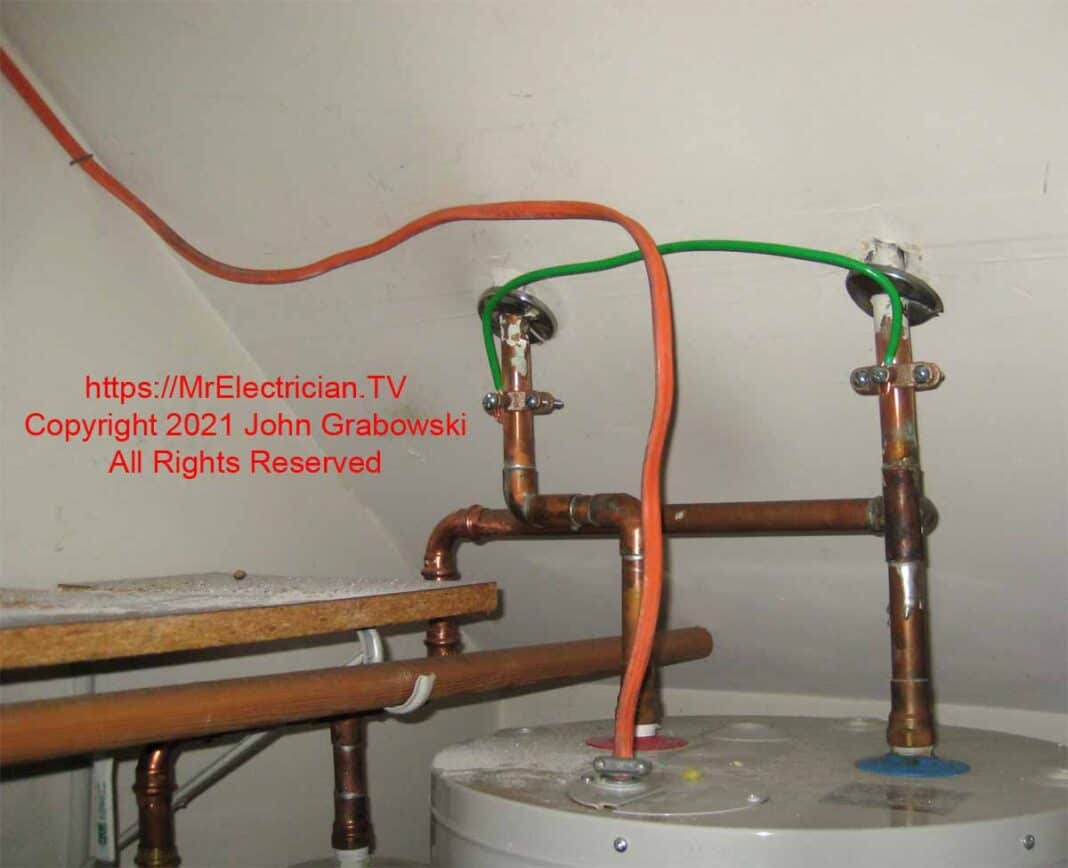
Start by locating the ground wire connected to the water heater. Look for a green or bare copper wire attached to the heater’s metal frame. Ensure the wire is secure and not loose or broken. A loose or missing ground wire can cause serious electrical problems.
Using A Grounding Tester
A grounding tester checks if the water heater is properly grounded. Plug the tester into the outlet near your water heater. The device will show if the ground connection is working or if there is a fault. This tool helps identify grounding issues quickly and safely.
Reconnecting Or Replacing Ground Wire
If the ground wire is damaged or disconnected, reconnect it tightly to the water heater frame. Use a screwdriver to secure the wire clamp. Replace the wire if it is frayed or broken. Proper connection ensures safe electrical flow and protects your home and family.
When To Call A Professional
Knowing when to call a professional for a water heater not grounded issue is important. Some problems are simple, but others need expert help. Safety and proper function depend on correct grounding. A trained technician can handle tough electrical work and keep your home safe.
Complex Electrical Problems
Grounding issues can be tricky to diagnose. Faulty wiring or hidden damage may cause problems. Professionals have tools and skills to find the root cause. They can fix complex issues that are unsafe for beginners.
Safety Concerns
Electrical shocks and fires are real risks with poor grounding. Handling electrical parts without knowledge can be dangerous. Experts follow safety rules to protect you and your home. Calling a professional reduces the chance of accidents.
Ensuring Compliance With Codes
Local rules require water heaters to be grounded properly. Professionals know the latest electrical codes and standards. They make sure repairs meet legal requirements. Proper grounding helps avoid fines and future problems.
Preventive Measures For Safe Water Heater Use
Water heaters need proper grounding to work safely. Without grounding, they can cause electric shocks or damage. Taking preventive steps helps keep your water heater safe and reliable. These steps lower risks and protect your home.
Regular Maintenance Checks
Check your water heater often. Look for signs of wear or damage. Test the grounding wire to ensure it is connected well. Fix small problems before they grow. Regular checks keep your water heater running safely.
Upgrading Old Wiring
Old wiring can cause safety hazards. Replace old or damaged wires with new ones. Use wires that meet current safety codes. Proper wiring improves grounding and reduces electric shock risk. Always hire a professional for rewiring tasks.
Installing Ground Fault Circuit Interrupters
Ground Fault Circuit Interrupters (GFCIs) detect electrical faults quickly. They cut off power if a problem happens. Install GFCIs near your water heater to add extra protection. These devices help prevent shocks and fires caused by faulty grounding.
Credit: mrelectrician.tv
Frequently Asked Questions
Why Is My Water Heater Not Grounded?
Your water heater may lack proper grounding due to faulty wiring or installation errors. Grounding prevents electrical shocks and ensures safety. Check the grounding wire connection and consult a professional electrician for repairs or inspection.
How To Test If A Water Heater Is Grounded?
Use a multimeter to check continuity between the heater’s metal frame and a known ground point. If there’s no continuity, the heater isn’t grounded. Always turn off power before testing and consider hiring an electrician if unsure.
What Risks Come From An Ungrounded Water Heater?
An ungrounded water heater poses electric shock hazards, increasing injury risk. It can also cause electrical fires and damage to the appliance. Proper grounding is essential for safety and compliance with electrical codes.
Can I Ground A Water Heater Myself?
Grounding a water heater requires electrical knowledge and proper tools. If you’re not experienced, it’s safer to hire a licensed electrician. Incorrect grounding can lead to hazards or code violations.
Conclusion
A water heater not grounded can cause serious safety risks. Grounding protects you from electric shocks and fires. Always check the grounding before using your heater. Fixing this issue is simple but important. Call a professional if unsure about the wiring.
Stay safe by keeping your water heater properly grounded. Small steps prevent big problems. Remember, safety comes first in every home.