Have you ever wondered if the water pressure in your home can impact your water heater’s performance? You might think they’re separate issues, but the truth is, water pressure plays a big role in how well your water heater works—and how long it lasts.
If your water heater isn’t heating properly or you’re facing strange noises and leaks, water pressure could be the hidden culprit. Keep reading to discover how water pressure affects your water heater and what you can do to protect your investment.
Understanding this could save you time, money, and frustration down the line.
Credit: angionklinika.lt
Water Pressure Basics
Water pressure means the force pushing water through pipes. It helps water flow out of taps and showers.
Water pressure is measured in pounds per square inch (PSI). A pressure gauge shows this number.
Most homes have water pressure between 40 and 60 PSI. Too low pressure means weak water flow. Too high pressure can damage pipes and appliances.
| Pressure Level (PSI) | Description |
|---|---|
| Below 40 | Low pressure, weak water flow |
| 40-60 | Normal pressure, good water flow |
| Above 60 | High pressure, risk of pipe damage |
Water Heater Functionality
Water heaters warm cold water for daily use. They use a tank or heat water on demand. Tank models store hot water for quick use. Tankless heaters heat water only when needed, saving energy.
| Type of Water Heater | Description |
|---|---|
| Storage Tank | Stores and heats a set amount of water constantly. |
| Tankless (On-Demand) | Heats water instantly without storing it. |
| Heat Pump | Uses electricity to move heat from air to water. |
| Solar | Uses sunlight to heat water, eco-friendly option. |
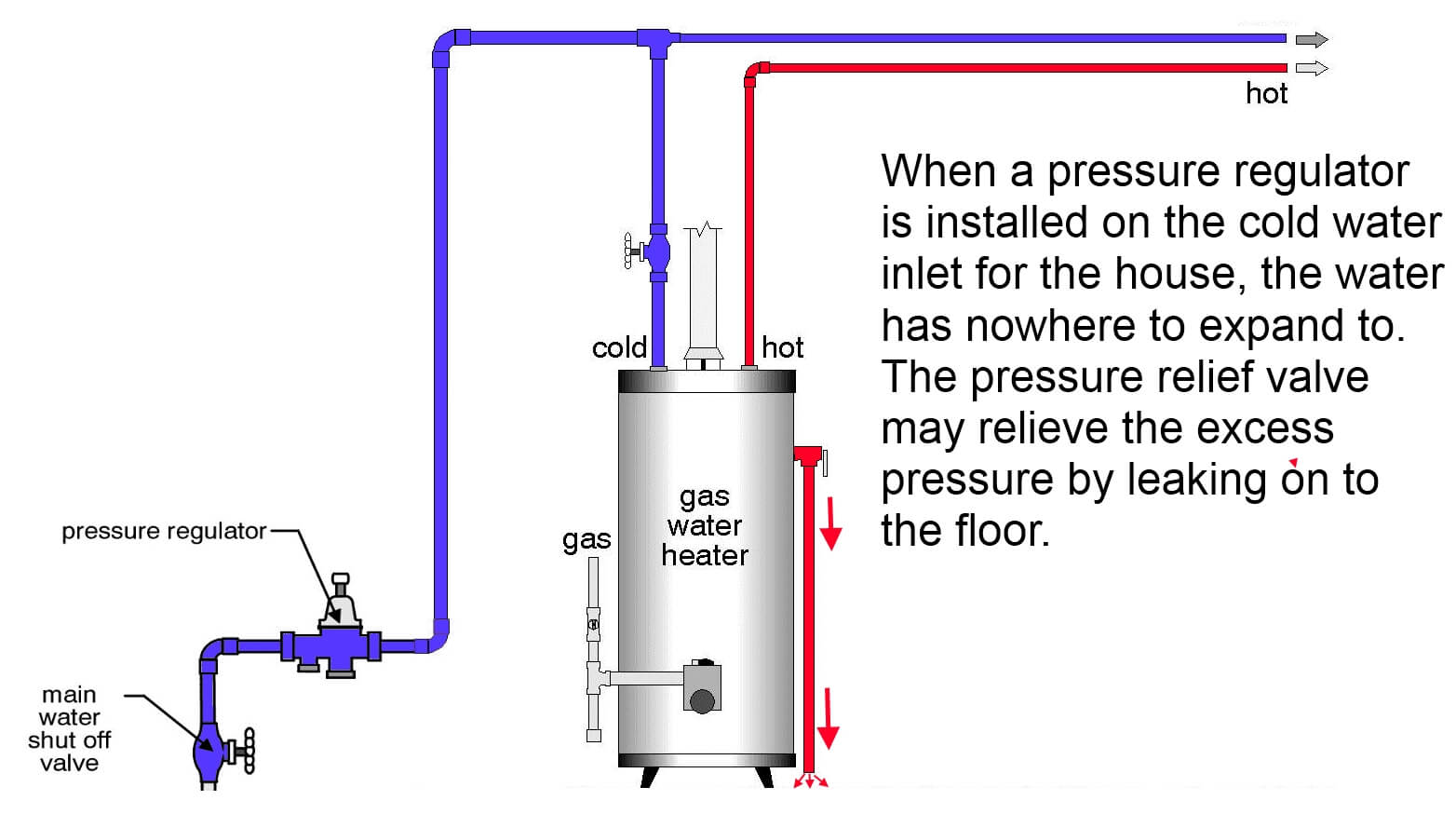
Water pressure pushes water through pipes into the heater. Low pressure can cause slow water flow. This may make the heater work harder and take longer to heat water.
High pressure can damage pipes or heater parts. Pressure regulators keep water pressure at a safe level. Proper pressure ensures the water heater runs well and lasts longer.
Impact Of High Water Pressure
High water pressure can cause serious damage to water heaters. It puts stress on key parts like the tank and pipes. Over time, this pressure can wear out these components faster than normal.
One major problem is the risk of leaks and bursts. If pressure gets too high, pipes or the tank might crack or break. This can lead to water damage in your home and costly repairs.
The pressure relief valve plays a very important role. It helps release extra pressure safely to protect the heater. Without this valve working properly, the risk of damage grows significantly.
Impact Of Low Water Pressure
Low water pressure can cause many problems for water heaters. It makes the heater work less well. Water does not flow fast enough through the heater. This slows down heating and wastes energy.
Water flow issues include weak showers and slow filling of tubs. Pipes may feel like they have blockages. This can make the heater struggle to keep up with demand.
| Possible Causes of Low Pressure | Explanation |
|---|---|
| Clogged Pipes | Mineral buildup can narrow pipes and reduce flow. |
| Faulty Pressure Regulator | Regulators may fail and lower water pressure too much. |
| Leaks in Plumbing | Leaks waste water and reduce pressure throughout the system. |
| Municipal Supply Issues | Sometimes city water pressure drops due to maintenance or demand. |
Maintaining Ideal Water Pressure
Ideal water pressure for water heaters usually falls between 40 and 60 psi. Pressure below this range can cause slow heating and poor water flow. Pressures above 60 psi may damage pipes and reduce the heater’s lifespan. Many homes install pressure regulators to keep water pressure steady.
Pressure regulators help by reducing high pressure to a safe level. They protect your water heater and plumbing from damage. Regular checks ensure the regulator works well.
Maintenance tips:
- Test water pressure every 6 months.
- Check for leaks around the heater.
- Flush the heater to remove sediment.
- Inspect pressure relief valves regularly.
- Replace worn parts promptly.
Credit: www.mrrooter.com
Troubleshooting Water Pressure Problems
Low water pressure can cause uneven hot water flow. You may notice water sputtering or slow heating. Pipes might make strange noises or leak. These are clear signs of pressure issues affecting your heater.
Check the main water valve to ensure it’s fully open. Clean or replace clogged showerheads and faucets. Inspect the pressure relief valve on the heater for blockages. Tighten loose fittings and clear any debris in pipes.
Call a professional if pressure problems persist after your checks. They can test the pressure regulator and repair damaged parts safely. Avoid ignoring pressure issues to prevent heater damage or leaks.
Credit: bfplumbingbayarea.com
Conclusion
Water pressure plays a key role in how your water heater works. Too high or too low pressure can cause problems. It can affect heating time and even damage the heater. Checking pressure helps keep your heater safe and efficient.
Regular maintenance can prevent costly repairs. Understanding this helps you take better care of your home. Keep an eye on pressure for steady hot water. Simple steps can improve your water heater’s life. Stay aware and protect your investment.