
If you have a water heater at home, you might not realize how important a thermal expansion tank is for its safety and efficiency. Without this small but powerful device, your water heater could face pressure issues that lead to costly repairs or even damage.
Installing a thermal expansion tank is a simple step that protects your system and gives you peace of mind. You’ll learn exactly why you need one, how it works, and the easy way to install it yourself. Keep reading to make sure your water heater runs smoothly and lasts longer.
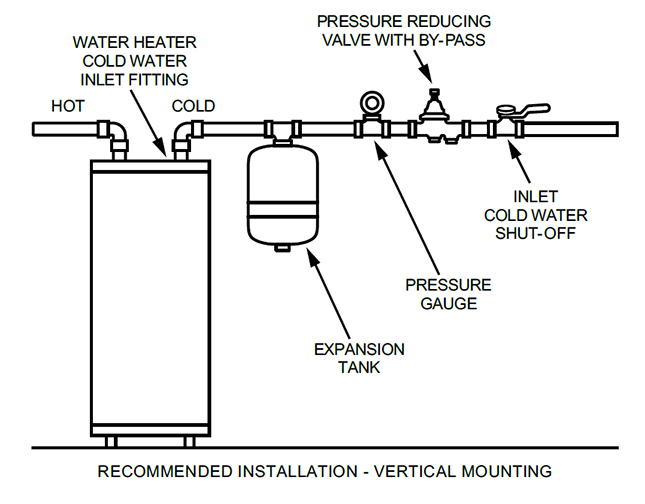
Credit: www.atoutsmarbres.com
Purpose Of Thermal Expansion Tank
A thermal expansion tank plays a key role in a water heater system. It controls the extra pressure caused by heated water. Water expands as it heats up. Without a way to manage this expansion, pressure builds inside pipes and the heater.
This tank absorbs the extra water volume. It keeps the pressure steady. The result is a safer and more efficient water heating system.
Preventing Pressure Buildup
As water heats, it expands and increases pressure. This pressure can harm pipes and valves. The expansion tank provides space for the extra water. It reduces pressure spikes. This prevents leaks and pipe bursts. The tank acts as a cushion against sudden pressure changes.
Protecting Plumbing System
High pressure damages plumbing parts over time. It wears out faucets, joints, and valves. The expansion tank protects these parts from stress. It extends the life of your plumbing system. The tank keeps the entire system safe and reliable. It lowers repair costs and avoids water damage.

Credit: www.ashleywatersewerut.gov
Types Of Expansion Tanks
Expansion tanks help manage pressure changes in water heaters. They protect your plumbing system from damage caused by thermal expansion. Different types of expansion tanks exist. Each type has unique features and uses. Knowing these types helps choose the right tank for your system.
Diaphragm Tanks
Diaphragm tanks have a flexible rubber membrane inside. This membrane separates water from air. When water heats and expands, the membrane moves. It absorbs pressure and prevents damage. Diaphragm tanks are common in homes. They are easy to install and maintain.
Bladder Tanks
Bladder tanks are similar to diaphragm tanks but use a bladder. The bladder is a rubber bag that holds water. As water expands, the bladder stretches. This keeps air and water separated. Bladder tanks offer good pressure control. They are ideal for systems with higher pressure.
Steel Tank Variants
Steel tanks are older types of expansion tanks. They do not have membranes or bladders. Instead, air and water mix inside the tank. Steel tanks require regular maintenance to avoid rust. They are heavier and less common now. Steel tanks are sometimes used in large commercial systems.
Tools And Materials Needed
Installing a thermal expansion tank for your water heater needs the right tools and materials. Having everything ready helps the job go smoothly and safely. This section lists the essential items to prepare.
Basic Plumbing Tools
You need a few simple plumbing tools for this task. A pipe wrench is important for tightening and loosening connections. An adjustable wrench helps with different bolt sizes. A pipe cutter or hacksaw is needed to cut pipes cleanly. Teflon tape ensures tight and leak-free joints. A screwdriver will help with mounting the tank. A bucket can catch any water spills during installation.
Expansion Tank Components
The expansion tank itself is the main part. It contains a bladder that absorbs extra water pressure. You will also need a mounting bracket to fix the tank on the wall or near the heater. A pressure relief valve may be required for safety. Make sure to have the right fittings and connectors to link the tank to the water heater’s cold water line. Check the tank’s size matches your water heater’s capacity.
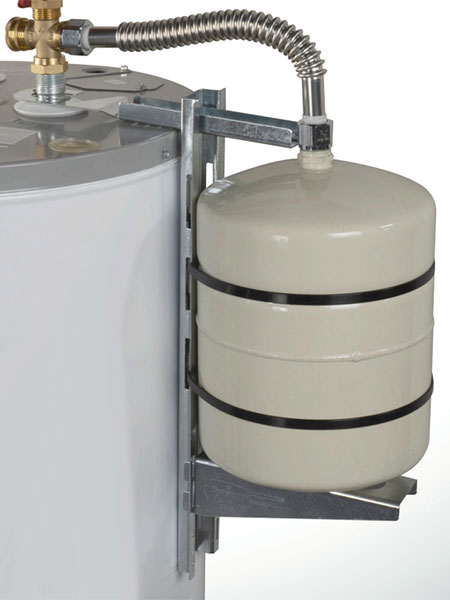
Credit: www.dangerfieldsofshakopee.com
Step-by-step Installation Guide
Installing a thermal expansion tank for your water heater is important. It helps manage pressure changes in the system. This guide breaks down the installation into easy steps. Follow each step carefully for the best results.
Shutting Off Water And Power
First, turn off the water supply to the water heater. Close the main water valve or the valve near the heater. Next, switch off the power source. For electric heaters, turn off the breaker. For gas heaters, turn off the gas supply.
Locating The Installation Point
Find a spot near the water heater’s cold water inlet pipe. The expansion tank must attach to this pipe. Choose a place with enough space for the tank. Ensure the area is easy to access for maintenance.
Mounting The Tank
Use a mounting bracket or strap to hold the tank. Attach it securely to a wall or frame. Make sure the tank is level and stable. The tank should not hang freely or move.
Connecting To The Water Heater
Connect the expansion tank’s inlet to the cold water pipe. Use a T-fitting or a dedicated valve for connection. Apply plumber’s tape to threaded joints. Tighten connections with a wrench but avoid over-tightening.
Checking For Leaks
Turn on the water supply slowly. Watch all connections for water leaks. Tighten fittings if you see any drips. Turn on the heater power once no leaks appear. Monitor the system for a few minutes to confirm stability.
Adjusting And Maintaining The Tank
Adjusting and maintaining the thermal expansion tank is key to keeping your water heater safe and efficient. The tank controls pressure changes caused by heated water expanding. Proper care helps avoid leaks and damage to your plumbing system.
Regular checks keep the tank working well. Adjustments may be needed to match your home’s water pressure. Simple steps can extend the tank’s life and save you money on repairs.
Setting Air Pressure
Start by turning off the water heater and draining some water. Use a tire pressure gauge to check the air pressure in the tank. The pressure should match your home’s water pressure, usually around 40 to 60 psi.
Adjust air pressure with a hand pump or air compressor. Add or release air to reach the correct level. Proper air pressure helps balance water expansion and prevents tank damage.
Routine Inspection Tips
Check the tank regularly for signs of wear or leaks. Look for rust, dents, or water around the tank base. Listen for strange noises that could indicate pressure issues.
Test the tank’s pressure every six months. Replace the tank if you find cracks or persistent leaks. Keeping the tank in good shape protects your water heater and home plumbing.
Common Installation Mistakes
Installing a water heater thermal expansion tank may seem easy. Yet, mistakes happen often. These errors can cause damage or reduce system efficiency. Knowing common mistakes helps avoid problems later. Here are two frequent errors to watch out for during installation.
Incorrect Placement
Placing the expansion tank in the wrong spot causes issues. It should be near the water heater’s cold water inlet. Too far away means the tank won’t control pressure well. Avoid placing it where pipes get hot or hard to reach. Proper placement ensures the tank works as intended.
Overlooking Pressure Settings
Pressure settings must match your home’s water system. Ignoring this can cause leaks or tank failure. Check the tank’s air pressure before installation. Adjust it to match your water pressure. Small mistakes here can lead to costly repairs later.
Benefits Of Proper Expansion Tank Installation
Proper installation of a water heater thermal expansion tank offers many benefits. It helps protect your plumbing system from pressure damage. The expansion tank absorbs extra water volume created by heating. This reduces stress on pipes and fixtures. A well-installed expansion tank keeps your system running smoothly and safely.
Extending Water Heater Life
The expansion tank reduces pressure buildup inside the water heater. This lowers the risk of leaks and cracks. It prevents damage to the tank’s inner lining. The water heater stays in good condition for a longer time. Proper installation helps avoid early replacement costs. The tank works quietly and efficiently without strain.
Reducing Maintenance Costs
With an expansion tank, pressure fluctuations are controlled. This means fewer pipe bursts and leaks. Maintenance visits become less frequent and less costly. Repair parts last longer due to less wear and tear. The plumbing system requires less attention overall. Installing the tank saves money on repairs and emergency fixes.
Conclusion
Installing a thermal expansion tank protects your water heater well. It stops pressure build-up inside the system. This helps avoid leaks and damage over time. The tank keeps your water heater working safely and longer. Simple steps make the installation easy and effective.
Protect your home’s plumbing by adding this small but important part. It’s a smart choice for any water heater owner. Keep your water system reliable with this useful upgrade.