
Is your hot water heater acting up and leaving you with cold showers? Before calling a technician, there’s a simple fix you might not know about—the hot water heater reset button.
This tiny button can save you time, hassle, and money by quickly restoring your water heater’s function. You’ll learn exactly what the reset button does, why it trips, and how you can safely reset it yourself. Keep reading to take control of your hot water and avoid unnecessary repair costs.
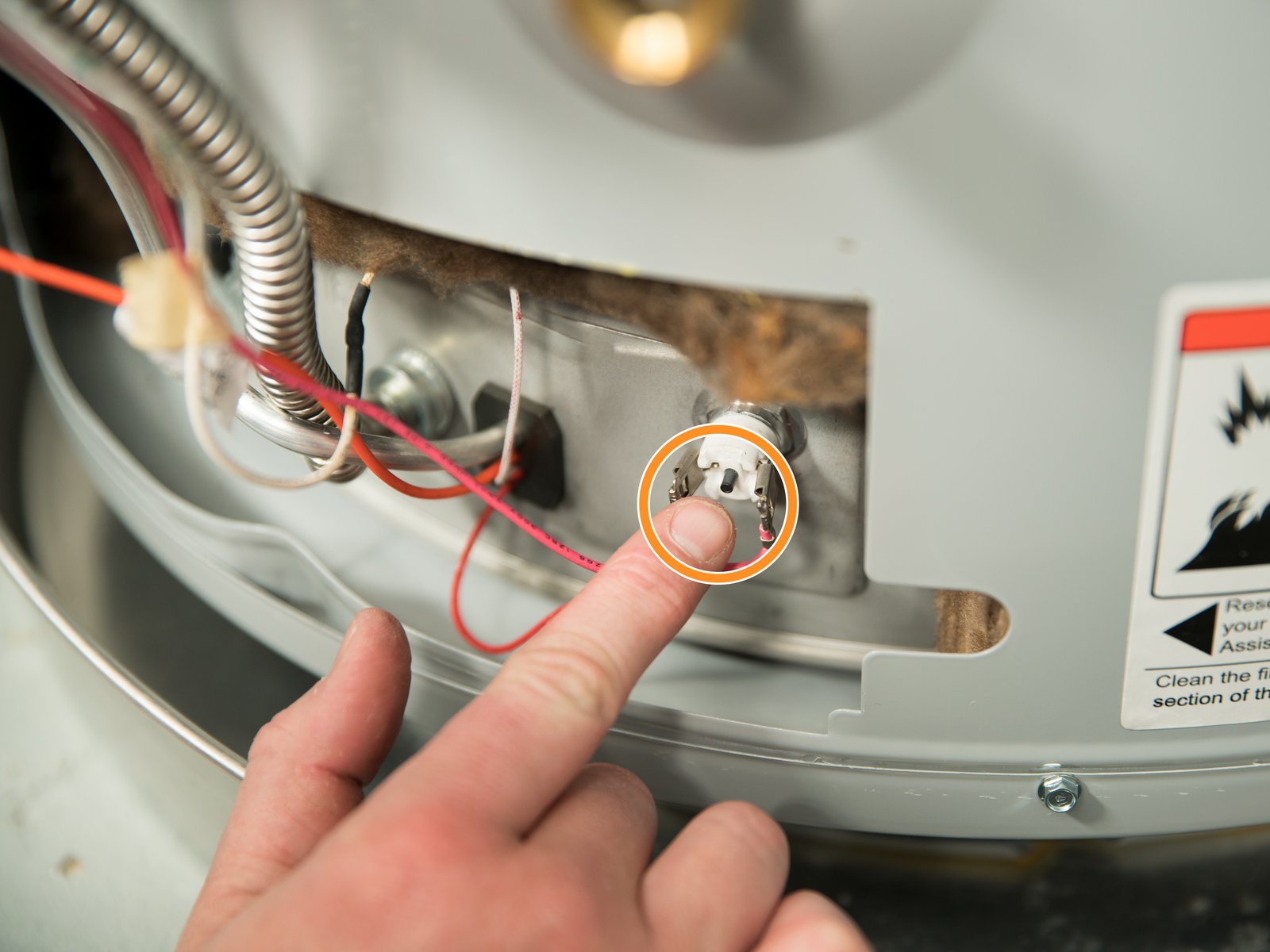
Credit: www.aosmithatlowes.com
Why Hot Water Heaters Need Resetting
Hot water heaters sometimes stop working and need a reset. This reset helps the heater start working again. The reset button is a simple way to fix small problems. It saves you time and money by avoiding calls to a technician for minor issues.
Resetting is important because it protects the heater. It stops the heater from overheating or causing damage. The reset button works like a safety switch. It turns off the heater when something is wrong.
Common Causes Of Heater Trips
Heaters trip or shut off for many reasons. One cause is overheating. If the water gets too hot, the heater stops to cool down. Another cause is a power surge. A sudden change in electricity can make the heater trip.
Faulty wiring or broken parts also cause trips. Dirt or sediment in the tank can block heat flow. This makes the heater work too hard and trip. Sometimes, the thermostat may fail and cause problems.
Safety Features Behind The Reset Button
The reset button is part of the heater’s safety system. It acts like a circuit breaker. When the heater reaches unsafe temperatures, the button trips to stop it. This prevents damage to the heater and home.
The button also protects people from burns or electric shocks. It keeps the heater from running too long or too hot. Pressing the reset button restores power after the problem is fixed.
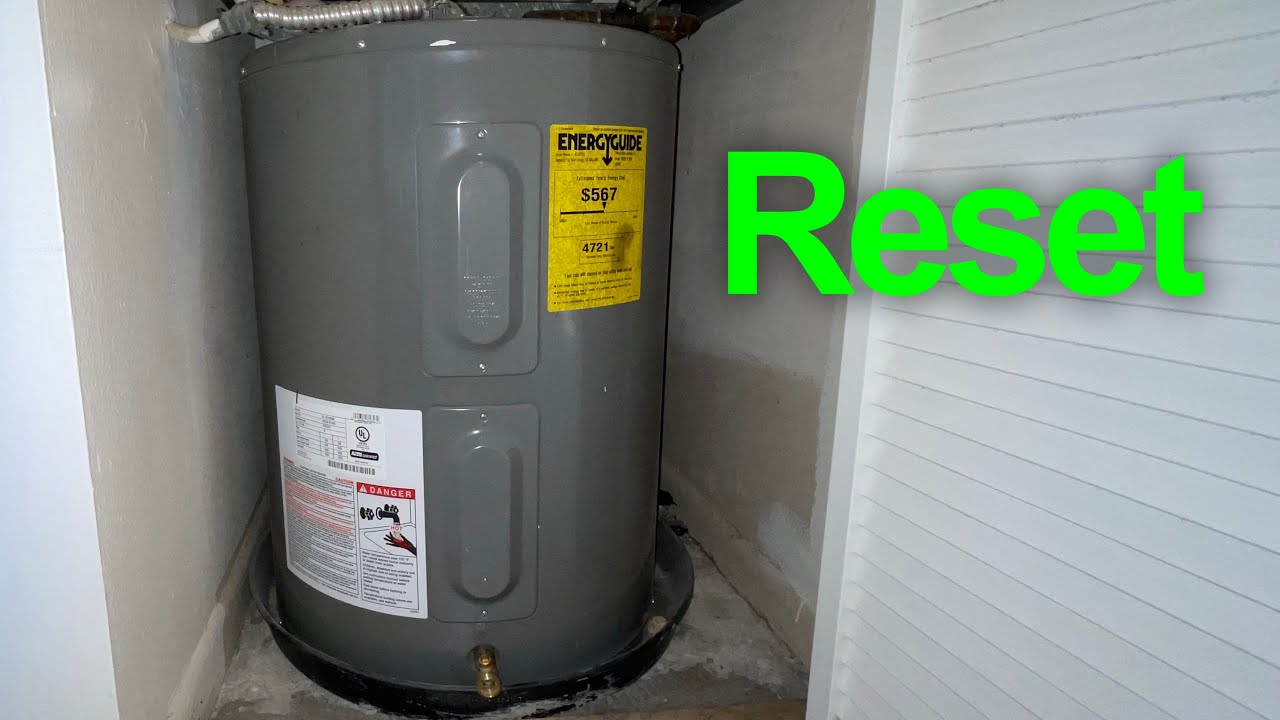
Credit: www.youtube.com
Locating The Reset Button
Finding the reset button on a hot water heater is important for basic troubleshooting. This button helps restart the heating system if it stops working properly. Knowing where to find it saves time and helps fix small issues quickly.
Typical Reset Button Placement
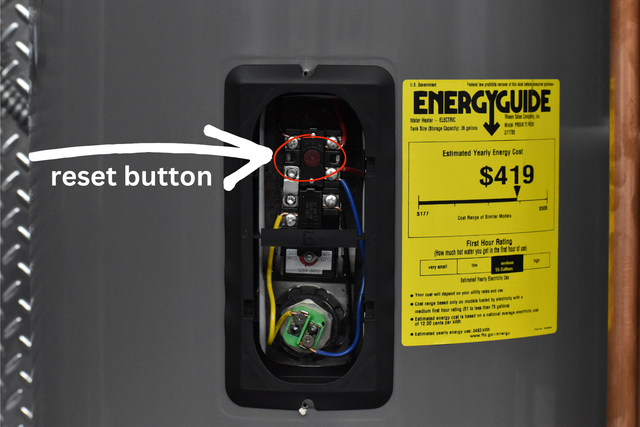
The reset button usually sits behind a small access panel on the water heater. This panel is often near the thermostat or heating element. On electric water heaters, the button is typically red or black and easy to spot. Gas water heaters may have a different setup, so check near the control valve or burner area.
Tools Needed For Access
Accessing the reset button may require a screwdriver to remove the panel. A flathead or Phillips screwdriver works for most models. Sometimes, no tools are needed if the panel snaps off. Always turn off the power to the heater before opening any panels for safety.
Step-by-step Reset Process
Resetting a hot water heater is a simple task anyone can do. This step-by-step guide helps you reset the heater safely. Follow each step carefully to avoid mistakes. The reset button helps fix minor issues and restore normal function.
Before pressing the reset button, make sure to take safety measures. Power off the heater and check for hazards. Then, press the reset button and restart the heater. This process can save time and prevent unnecessary repairs.
Power Off And Safety Checks
Turn off the power supply to the water heater. Find the circuit breaker and switch it off. This stops electricity flow and protects you from shocks. Check the area around the heater for water leaks or damage. Do not reset if you see water or corrosion. Wait for the heater to cool down before continuing.
Pressing The Reset Button
Locate the reset button on the water heater. It is usually red and small. Press the button firmly and hold for a few seconds. You may hear a click sound. This means the reset is active. Release the button and wait a moment before moving on.
Restarting The Heater
Switch the power back on at the circuit breaker. Check if the heater starts heating water again. Listen for normal operating sounds. Watch the water temperature to ensure it rises. If the heater does not work, consider calling a professional. Do not try to reset more than twice in a row.
Troubleshooting Persistent Problems
Persistent problems with your hot water heater reset button can be frustrating. Troubleshooting these issues carefully can save time and money. This section helps you understand common problems and how to address them safely. Follow these steps to find the root cause and fix it properly.
Checking For Overheating Issues
Overheating often causes the reset button to trip repeatedly. This happens when the water heater gets too hot. Check the thermostat settings first. Ensure the temperature is not set too high. Inspect the heating elements for damage or scale buildup. Clean or replace them if necessary. Also, verify proper water flow around the heater. Poor circulation can cause overheating. Look for signs of leaking or corrosion. These can affect heat distribution and cause problems.
Inspecting Wiring And Connections
Faulty wiring can lead to persistent reset button trips. Turn off the power before checking any connections. Look for loose or damaged wires near the reset button. Tighten any loose connections carefully. Replace wires that show signs of wear or burning. Check the circuit breaker and electrical panel for issues. A weak power supply can cause the button to trip. Use a voltage tester to confirm proper electrical flow. Proper wiring keeps your heater safe and reliable.
When To Call A Professional
Some problems need expert help. Call a professional if the reset button keeps tripping after your checks. Electrical repairs can be dangerous without experience. A technician can safely diagnose and fix complex issues. They have tools to test components more deeply. Professionals also handle parts replacement and wiring upgrades. Avoid risking injury or further damage. Trust experts to restore your hot water heater’s function quickly.
Preventive Tips To Avoid Frequent Resets
Frequent resets of your hot water heater can be frustrating and costly. Preventive tips help reduce these resets and keep your heater working well. Small actions can extend the life of your heater and save energy. Follow these easy steps to avoid common problems and reduce the need for resets.
Regular Maintenance Practices
Check your water heater regularly for signs of wear or damage. Flush the tank every six months to remove sediment. Sediment buildup can cause overheating and trigger resets. Inspect the anode rod yearly to prevent corrosion. Replace worn parts promptly to avoid bigger issues. Keeping your heater clean and well-maintained improves its efficiency and reliability.
Monitoring Water Temperature
Set the water temperature to a safe level, usually around 120°F (49°C). Higher temperatures increase the risk of overheating and resets. Use a thermometer to check the water temperature often. Avoid setting the thermostat too high to prevent strain on the heater. Monitoring the temperature helps your heater run smoothly and saves energy.
Upgrading Older Units
Old water heaters may reset more often due to worn components. Consider upgrading if your unit is over 10 years old. Newer models have better safety features and energy efficiency. An upgrade can reduce frequent resets and lower utility bills. Consult a professional to choose the right replacement for your home.
Credit: www.uswhpro.com
Frequently Asked Questions
What Is The Hot Water Heater Reset Button?
The reset button is a safety feature on electric water heaters. It trips when the unit overheats. Pressing it restores normal function after cooling.
How Do I Find The Reset Button On My Heater?
The reset button is usually red and located behind the access panel. It is near the thermostat or heating element on electric models.
When Should I Press The Water Heater Reset Button?
Press it if your heater stops producing hot water or overheats. Only reset after the heater cools down to avoid damage.
Can Pressing The Reset Button Fix All Heater Problems?
No, it only resets overheating issues. Persistent problems may indicate electrical faults or thermostat failure requiring professional repair.
Conclusion
The hot water heater reset button helps fix common heating issues. Press it carefully to restart the system safely. Keep your heater clean and check it regularly. This simple step can save time and money. Remember, safety matters when handling electrical parts.
If problems persist, call a professional for help. A working heater means warm water when you need it. Small fixes can prevent bigger troubles later on. Stay safe and enjoy comfortable hot water daily.