
Is your hot water heater not producing hot water when you need it most? It’s frustrating to turn on the tap and get cold water instead of the warm comfort you expect.
You rely on your hot water heater every day for showers, cleaning, and cooking. When it stops working, it can disrupt your entire routine. But don’t worry—understanding why this happens and how to fix it can save you time, money, and stress.
Keep reading to find out the common reasons behind this problem and what you can do to get your hot water flowing again.
Credit: www.healingwithhorsesranch.org
Common Causes Of No Hot Water
Hot water heaters can stop working for several reasons. Knowing common causes helps you fix the problem fast. Some issues are simple, while others need a professional. Below are the most frequent reasons for no hot water.
Pilot Light Issues
The pilot light ignites the gas burner. If it goes out, the heater won’t produce hot water. Dirt or drafts can cause the light to go off. Checking and relighting the pilot light often solves this issue.
Thermostat Problems
The thermostat controls water temperature. If it breaks or is set too low, water stays cold. Sometimes the wiring to the thermostat is loose. Adjusting or replacing the thermostat can restore hot water.
Heating Element Failure
Electric water heaters have heating elements inside. These elements heat the water. If one or both fail, water won’t get hot. Testing and changing faulty elements fix this problem.
Sediment Buildup
Mineral deposits settle at the tank bottom. This buildup reduces heating efficiency. Sediment can cause the heater to overheat and stop working. Flushing the tank removes sediment and improves heating.
Tripped Circuit Breaker
Electric water heaters use a circuit breaker. If it trips, power cuts off to the heater. This stops water from heating. Resetting the breaker often restores power and hot water.
:max_bytes(150000):strip_icc()/Water_heater_0616-fd10f9d489834e0d88d6f7706e207f6f.jpg)
Credit: www.thespruce.com
Quick Fixes To Try
Hot water heaters can stop working for simple reasons. Many problems have easy solutions. Trying quick fixes can save time and money. These steps help you find and solve common issues fast.
Relighting The Pilot Light
The pilot light may go out. Check if it is lit. Follow the heater’s instructions to relight it safely. Use a long lighter or match. Wait for the flame to stay steady.
Resetting The Heater
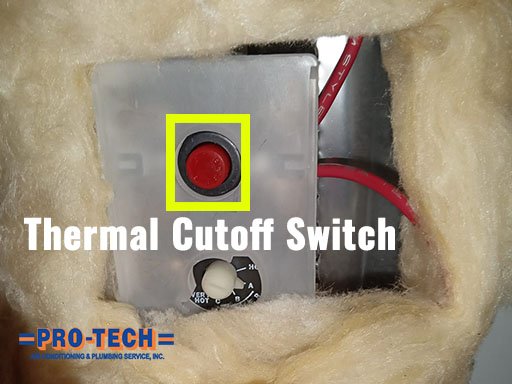
Turn off the power or gas first. Find the reset button on the heater. Press and hold it for a few seconds. Release and wait for the heater to restart. This can clear minor errors.
Checking The Thermostat Settings
Look at the thermostat control. Ensure it is set to a warm temperature. Adjust it higher if needed. Sometimes settings change by accident. Keep it around 120°F for safety and comfort.
Flushing The Tank
Mineral build-up affects heating. Drain some water from the tank. Use a hose to flush out sediments. This helps the heater work better. Do this once a year for best results.
Inspecting Electrical Connections
Power issues can stop heating. Turn off the electricity before checking. Look for loose or damaged wires. Tighten or replace any faulty connections. Safe wiring keeps the heater running well.
When To Call A Professional
Knowing when to call a professional for your hot water heater saves time and prevents damage. Some problems require expert skills and tools. Trying to fix these issues alone can be unsafe and cause more trouble. Recognize the signs that need professional help to keep your home safe and comfortable.
Persistent Heating Problems
If your water heater keeps failing to produce hot water after basic checks, it needs a professional. Constantly resetting or adjusting settings without success signals a deeper issue. A technician can diagnose and fix hidden problems quickly. Avoid wasting energy and water on a faulty heater.
Gas Leak Concerns
Detecting a gas smell near your water heater is a serious warning. Gas leaks pose health risks and fire hazards. Do not try to fix gas leaks yourself. Call a licensed professional immediately to inspect and repair the system safely. Your safety depends on expert handling of gas appliances.
Complex Electrical Issues
Electric water heaters can develop wiring or thermostat problems. Flickering lights, tripped breakers, or no power to the heater need expert attention. Electrical repairs require special knowledge and tools. Professionals prevent shocks and further damage by managing electrical parts safely.
Replacing Faulty Components
Some parts in your water heater wear out and need replacement. Thermostats, heating elements, or valves may fail over time. Replacing these components is tricky without proper training. Professionals ensure the correct parts fit well and work efficiently. This keeps your heater running smoothly for years.
Preventive Maintenance Tips
Preventive maintenance helps keep your hot water heater working well. It stops problems before they start. Small checks and care extend the heater’s life. They also keep your water hot and save energy.
Regular Flushing Schedule
Flushing removes sediment from the tank. Sediment buildup can block heat and reduce water temperature. Flush the tank every six months for best results. This keeps the heater clean and efficient.
Thermostat Calibration
Check the thermostat settings regularly. A wrong setting can cause cold water or waste energy. Set the thermostat between 120°F and 140°F. Adjust it if you notice water is not hot enough.
Insulating The Heater
Insulating keeps heat inside the tank. Use an insulation blanket made for water heaters. This reduces heat loss and saves energy. It also helps keep water hot longer.
Annual Professional Inspection
A yearly check by a professional finds hidden issues. They test safety valves and look for leaks. Professionals clean parts you cannot reach. This keeps the heater safe and working well.
Energy-saving Practices
Saving energy with your hot water heater helps reduce bills and protects the environment. Simple steps can keep your water hot without wasting power. Follow these energy-saving practices to make your heater work smarter and last longer.
Optimal Temperature Settings
Set your water heater to 120 degrees Fahrenheit. This temperature is hot enough for daily use and saves energy. Higher settings waste power and increase risk of burns. Check your heater’s thermostat and adjust it to the right level.
Using Timer Controls
Timers control when your water heater runs. Program it to heat water only when needed. Avoid heating water all day or night. Timers cut down energy use and lower your electricity bill. They are easy to install and use.
Upgrading To Energy-efficient Models
Old water heaters use more energy. New models have better insulation and smarter technology. Choose an energy-efficient heater with a good Energy Star rating. These models save power and provide consistent hot water. Investing in a new unit pays off over time.

Credit: www.youtube.com
Frequently Asked Questions
Why Is My Hot Water Heater Not Producing Hot Water?
Your hot water heater may lack power, have a faulty thermostat, or a broken heating element. Check these parts first for issues.
How Can I Fix A Hot Water Heater With No Hot Water?
Start by resetting the heater’s breaker or pilot light. Inspect the thermostat and heating elements for damage or wear.
What Causes A Hot Water Heater To Suddenly Stop Heating?
Common causes include power outages, tripped circuit breakers, sediment buildup, or failed heating components needing replacement.
How Long Should A Hot Water Heater Last?
Typically, a water heater lasts 8-12 years. Older units often fail to heat water properly and may need replacement.
Conclusion
A hot water heater not producing hot water can disrupt daily life. Check the power supply and thermostat settings first. Sometimes, flushing the tank removes sediment buildup. Strange noises or leaks need quick attention. Calling a professional may save time and prevent damage.
Regular maintenance helps avoid future problems. Stay calm and take small steps to fix the issue. Hot water will return with proper care and action.