
Is your hot water either scalding or barely warm? You’re not alone.
Many homeowners struggle with getting the perfect temperature from their water heater. The secret often lies in the mixing valve—the small but powerful device that blends hot and cold water before it reaches your taps. Adjusting this valve correctly can make your showers safer and more comfortable while saving energy.
You’ll learn simple steps to fine-tune your hot water heater mixing valve and enjoy just the right temperature every time. Ready to fix your water temperature woes? Let’s dive in.
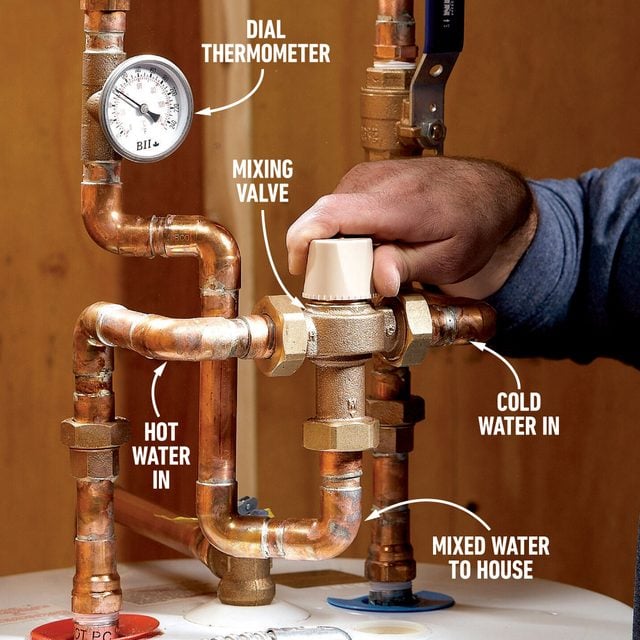
Credit: www.familyhandyman.com
Why Adjust Mixing Valves
Adjusting hot water heater mixing valves improves safety, comfort, and savings. These valves blend hot water with cold to reach the right temperature. Proper adjustment keeps water safe and efficient. It also protects your heater from damage. Understanding why to adjust mixing valves helps maintain a smooth hot water supply.
Preventing Scald Injuries
Mixing valves stop water from getting too hot. Hot water above 120°F can cause burns quickly. Adjusting the valve keeps water temperature safe for all users. This is vital in homes with children or elderly people. Safe water temperature reduces the risk of painful scald injuries.
Enhancing Energy Efficiency
Correct valve settings reduce energy waste. When water is too hot, heaters work harder and use more energy. Mixing valves help maintain a stable temperature without overheating. This lowers utility bills and saves energy. Efficient heating benefits both the environment and your wallet.
Extending Heater Lifespan
Proper mixing valve adjustment protects your water heater. Overheating causes stress on the heater’s parts. This leads to wear and possible breakdowns. Balanced water temperature reduces pressure on the system. It helps your heater last longer and need fewer repairs.
Tools Needed
Adjusting a hot water heater mixing valve requires a few basic tools. These tools help you check and set the water temperature safely. Having the right tools makes the job easier and more accurate.
Thermometer
A thermometer checks the water temperature precisely. It helps to avoid water that is too hot or too cold. Use a digital or dial thermometer for the best reading.
Screwdriver
A screwdriver adjusts the valve settings. Most mixing valves use a flathead or Phillips screw. Choose the correct type to avoid damaging the valve.
Wrench
A wrench tightens or loosens valve parts. An adjustable wrench fits most nuts and bolts. It gives you control without slipping or stripping.
Checking Current Temperature
Checking the current temperature of your hot water heater mixing valve is the first step in ensuring safe and comfortable water use. This process helps you know if the valve is working properly. It also prevents scalding and saves energy.
Measuring Outlet Water Temperature
Start by turning on a hot water tap closest to the heater. Use a reliable thermometer designed for water. Hold it under the running water for about 30 seconds. Note the temperature shown. This number tells you the water temperature leaving the valve. Repeat this step at different taps if needed. It helps identify any temperature differences throughout your home.
Identifying Unsafe Temperature Levels
Water temperature above 120°F can cause burns quickly. Children and older adults are more at risk. Water below 110°F may feel too cold and cause discomfort. The ideal range is between 110°F and 120°F. Adjust your mixing valve if the temperature is outside this range. Keeping water safe protects your family and reduces water waste.

Credit: www.youtube.com
Step-by-step Adjustment
Adjusting the hot water heater mixing valve helps control water temperature. This step-by-step guide makes the process simple and clear. Follow each step carefully to avoid scalding or cold water issues.
Locating The Mixing Valve
Find the mixing valve near the water heater outlet pipe. It looks like a small, round device with a screw or dial on top. Check your water heater manual if unsure. The valve blends hot and cold water for safe temperature.
Loosening The Adjustment Screw
Use a screwdriver to turn the adjustment screw gently. Turn counterclockwise to loosen it. Do not remove the screw completely. Loosening allows you to change the temperature setting easily.
Setting Desired Temperature
Turn the screw slowly to set the temperature. Clockwise increases heat, counterclockwise lowers it. Aim for 120°F (49°C) for safety and comfort. Test water temperature with your hand or a thermometer.
Tightening The Screw
Once the temperature is set, tighten the adjustment screw. Turn it clockwise until snug but do not overtighten. This locks the setting in place. Check the water temperature again to confirm the change.
Testing After Adjustment
After adjusting your hot water heater mixing valve, testing is key. This step confirms the valve works correctly and keeps your water safe. Testing helps avoid scalds and ensures comfort in your home. Follow a simple process to check the adjustment accurately.
Verifying Temperature Accuracy
Use a thermometer to check the water temperature. Place it under running hot water from a faucet. The temperature should match the setting on the mixing valve. If it is too hot, adjust the valve slightly and test again. Too cold means more hot water is mixing in. Repeat until the temperature is steady and safe, usually around 120°F (49°C).
Ensuring Consistent Water Flow
Turn on several hot water taps in your home. Check the water flow at each tap. The temperature should stay the same without fluctuations. Uneven flow or temperature changes might mean the valve needs another adjustment. Consistent flow prevents sudden hot or cold bursts. It also saves energy and protects your plumbing.

Credit: comunicar.org
Safety Tips
Adjusting the hot water heater mixing valve can improve comfort and save energy. Safety must come first during any adjustment. Small mistakes can cause serious burns or damage. Follow these safety tips to protect yourself and your home.
Avoiding Burns
Set the mixing valve temperature carefully. Too high water can cause severe burns quickly. Use a thermometer to check water temperature after adjustment. Keep the temperature below 120°F (49°C) to stay safe. Warn children and elderly about hot water risks.
Regular Maintenance
Check the mixing valve yearly for signs of wear or leaks. Clean any mineral buildup that can affect valve performance. Test the water temperature regularly to ensure it stays safe. Replace the valve if it no longer controls temperature well.
When To Call A Professional
Call a plumber if you notice leaks or strange noises. Avoid adjusting the valve if unsure about the process. Professionals can fix complex problems safely and correctly. Save time and avoid risks by seeking expert help when needed.
Frequently Asked Questions
What Is A Hot Water Heater Mixing Valve?
A hot water heater mixing valve blends hot and cold water. It ensures safe, consistent water temperature to prevent scalding. It improves comfort and efficiency in your plumbing system.
How Do You Adjust A Mixing Valve?
Turn the valve’s adjustment screw or knob slowly. Use a thermometer to measure outlet water temperature. Adjust until desired temperature, usually 120°F, is reached for safety and comfort.
Why Adjust The Mixing Valve Temperature?
Adjusting prevents scalding and improves energy efficiency. It ensures water is not too hot or cold. Proper setting extends heater lifespan and enhances user safety.
When Should You Check Your Mixing Valve?
Check annually or after plumbing repairs. Also inspect if water temperature fluctuates or causes discomfort. Regular checks maintain optimal performance and prevent accidents.
Conclusion
Adjusting your hot water heater mixing valve ensures safe and comfortable water temperature. It prevents scalding and saves energy. Regular checks keep your system working well. Small tweaks make a big difference at home. Take time to adjust the valve carefully.
This simple step improves daily comfort and safety. Stay warm without wasting energy or risking burns. A well-set valve helps your water heater last longer. Keep these tips in mind for a safer home.