Are you stepping into your shower hoping for a warm, relaxing experience, only to be met with water that’s just not hot enough? It’s frustrating when your water heater doesn’t deliver the heat you expect, leaving your showers cold and uncomfortable.
But don’t worry—you’re not alone, and there are simple reasons behind this problem that you can fix. Keep reading to discover why your water heater shower isn’t hot enough and how you can get back to enjoying the perfect temperature every time you turn on the tap.
Credit: salisburyfertilitycentre.nhs.uk
Common Causes Of Lukewarm Showers
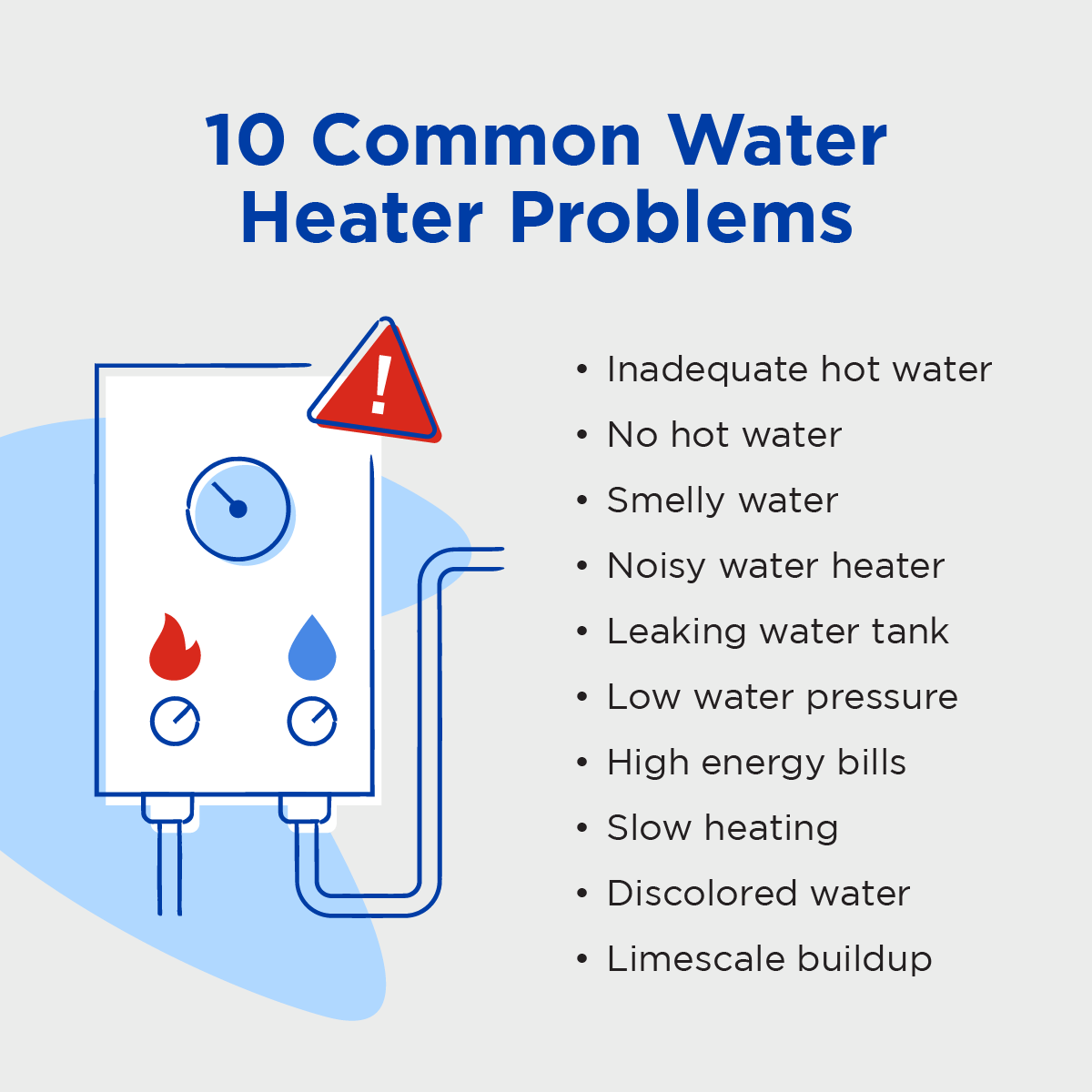
Many homeowners face the problem of lukewarm showers. It feels frustrating to step into a shower that never gets hot enough. Several common issues cause this problem. Understanding these helps fix the water heater and enjoy warm showers again.
Thermostat Settings
The thermostat controls water temperature inside the heater. Sometimes, the setting is too low. This limits how hot the water can get. Check the thermostat and adjust it to a warmer setting. This simple fix often solves lukewarm water issues.
Sediment Buildup
Over time, minerals from water settle at the tank’s bottom. This sediment layer blocks heat from reaching the water. The heater works harder but heats less. Flushing the tank removes sediment and improves water temperature quickly.
Water Heater Size
A small water heater may not meet your home’s hot water needs. It struggles to heat enough water for showers and other uses. Upgrading to a larger unit or using less hot water can prevent lukewarm showers.
Faulty Heating Element
Electric water heaters use heating elements to warm water. If one element breaks, water may not heat properly. The shower water stays lukewarm. Testing and replacing the faulty element restores proper heating.
Water Pressure Issues
Low water pressure affects how hot the shower feels. Weak pressure mixes hot and cold water too much. This reduces the water temperature. Fixing pressure problems or adjusting shower valves helps maintain hot water flow.
Credit: cheltenhamnaacp.com
Quick Checks Before Calling A Technician
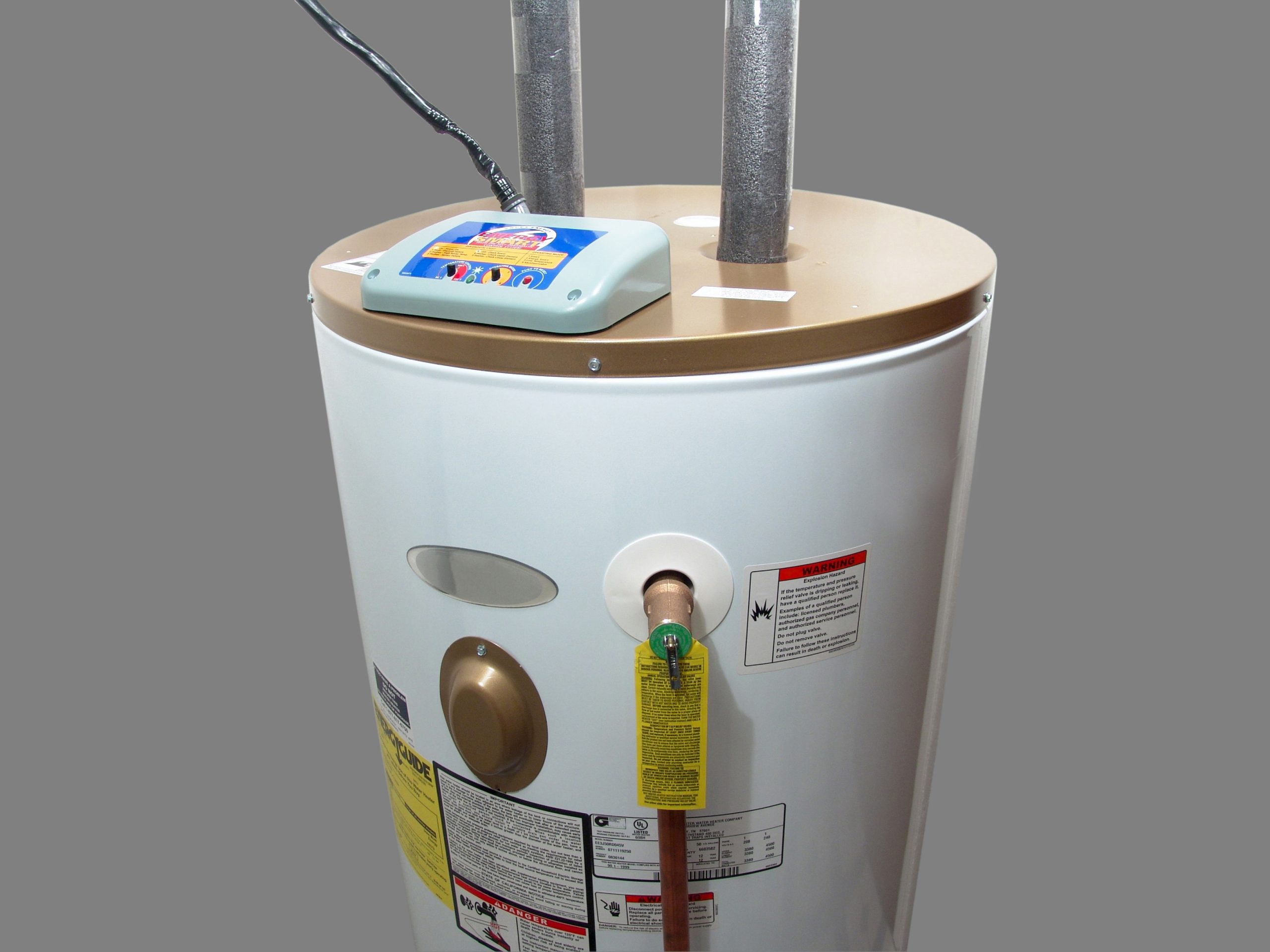
Before calling a technician for your water heater shower not being hot enough, try some quick checks. These simple steps can help identify common issues. You might fix the problem without waiting for a repair service. Save time and effort by doing these first.
Adjusting Temperature Controls
Check the temperature setting on your water heater. It might be set too low. Increase the temperature slightly and test the shower again. Be careful not to set it too high to avoid burns. Most water heaters have a dial or digital control for this.
Inspecting The Pilot Light
Look at the pilot light if your heater uses gas. The light should be steady and blue. A flickering or absent pilot light means the heater won’t warm water properly. Relight the pilot light following the manufacturer’s instructions. If it won’t stay lit, the problem may be with the thermocouple.
Resetting The Water Heater
Turn off the water heater and wait a few minutes. Press the reset button, usually found on the unit’s thermostat. This can fix minor glitches in the system. After resetting, turn the heater back on. Check if the water heats up properly now.
Checking For Leaks
Look around the water heater for any signs of water leaks. Leaks can reduce water temperature and damage the unit. Check pipes, valves, and the tank itself. Tighten loose fittings or replace damaged parts if you find leaks. Stop leaks quickly to prevent bigger problems.
Simple Diy Fixes For Hot Water Problems
Hot water problems in the shower can be frustrating. Many issues have easy fixes you can do yourself. These simple steps save time and money. You can improve your shower’s heat with little effort.
Try these DIY fixes to get your water heater working well again. Each step targets common causes of low hot water. No special tools needed for most tasks.
Flushing The Tank
Mineral buildup inside the water heater tank lowers heat output. Flushing removes this buildup and improves water flow. First, turn off the power or gas supply. Attach a hose to the drain valve and drain the tank. Open a hot water tap to let air in. Flush until water runs clear. Close the valve and refill the tank. Turn the power or gas back on.
Replacing The Thermostat
A faulty thermostat can cause water to stay cold. Test the thermostat with a multimeter for accuracy. Buy a new thermostat that matches your heater model. Turn off the power supply before starting. Remove the old thermostat carefully. Install the new one by connecting wires as before. Switch the power back on and check the water temperature.
Cleaning The Showerhead
Blocked showerheads reduce hot water flow. Minerals and dirt clog the small holes. Remove the showerhead and soak it in vinegar for a few hours. Scrub gently with a brush to clear the holes. Rinse well and reinstall the showerhead. This helps hot water flow freely and improves temperature.
Improving Water Pressure
Low water pressure affects hot water reach and temperature. Check for leaks in pipes and repair them. Clean or replace old, narrow pipes that limit flow. Install a pressure booster pump if needed. Better pressure ensures hot water travels faster to your shower.

Credit: www.kokido.com
When To Replace Your Water Heater
Knowing when to replace your water heater is important. A water heater that does not heat water enough can cause daily discomfort. It can also waste energy and increase your bills. This section helps you decide if it is time for a new water heater.
Signs Of Aging Equipment
Older water heaters often show clear signs. Rust on the tank or leaks are bad signs. Strange noises like rumbling or popping mean sediment build-up. Water not heating well or running out quickly also shows aging. Most water heaters last about 8 to 12 years. Past this age, replacement is often better than repair.
Energy Efficiency Considerations
Old water heaters use more energy. This makes your utility bills higher. Newer models are more energy efficient. They heat water faster and keep it hot longer. Replacing an old unit can lower energy costs. It also helps reduce your home’s carbon footprint. Choose a model with a good energy rating for best results.
Cost Vs. Repair Analysis
Repairs can cost a lot, especially on old units. Frequent repairs add up quickly. Sometimes, repair costs approach the price of a new heater. New water heaters come with warranties and last longer. Investing in replacement saves money over time. Weigh repair costs against the price and benefits of a new heater.
Preventive Tips For Consistent Hot Showers
Maintaining a steady supply of hot water in your shower requires simple habits. Small actions can keep your water heater working well. These preventive tips help avoid cold surprises during showers. Follow easy steps to enjoy warm water every time.
Regular Maintenance Schedule
Check your water heater regularly. Clean the tank to remove sediment buildup. Sediment can reduce heating efficiency. Inspect the anode rod to prevent rust. Flush the heater at least once a year. This keeps parts working longer and better.
Using Water Heater Insulation
Wrap your water heater with insulation blankets. Insulation helps keep water hot for longer. It reduces heat loss through the tank walls. Use pipe insulation on hot water pipes too. This keeps water warm as it moves to your shower.
Monitoring Water Usage
Track how much hot water your household uses daily. High water use can cool down the tank fast. Take shorter showers to save hot water. Avoid running multiple water devices at once. This ensures enough hot water for everyone.
Frequently Asked Questions
Why Is My Water Heater Shower Not Hot Enough?
Your water heater may have a faulty thermostat or sediment buildup. Check temperature settings and flush the tank regularly to improve heat.
How Can I Fix A Lukewarm Shower Water Issue?
Increase the thermostat temperature carefully. Flush the water heater to remove sediment. Inspect heating elements or call a professional if needed.
Does Water Heater Size Affect Shower Temperature?
Yes, a small water heater may run out of hot water quickly. Ensure your heater size matches your household’s hot water demand.
Can Low Water Pressure Cause Lukewarm Shower Water?
Low water pressure can mix cold water with hot, reducing temperature. Check pressure and fix any plumbing leaks to restore proper heat.
Conclusion
A shower that is not hot enough can cause daily discomfort. Check the water heater settings first. Sometimes, a small adjustment fixes the problem quickly. Sediment buildup or a faulty thermostat might need attention. Regular maintenance keeps your heater working well.
Don’t ignore warning signs like fluctuating water temperature. Taking simple steps can improve your shower experience. Warm showers help you relax and start your day right. Keep your water heater in good shape for comfort and safety.