
Is your water heater giving you warm water but never quite hot enough? It can be frustrating when you expect a hot shower but end up shivering instead.
You might wonder why your water heater isn’t working properly and what you can do about it. Don’t worry—this problem is more common than you think, and there are simple reasons behind it. Keep reading to discover why your water heater is warm but not hot, and learn easy steps to fix it so you can enjoy the hot water you deserve.
Common Causes Of Lukewarm Water
Warm water that is not hot enough can cause frustration. Understanding common causes helps fix this issue faster. Several factors inside your water heater can reduce water temperature. Knowing these can guide your next steps.
Thermostat Settings
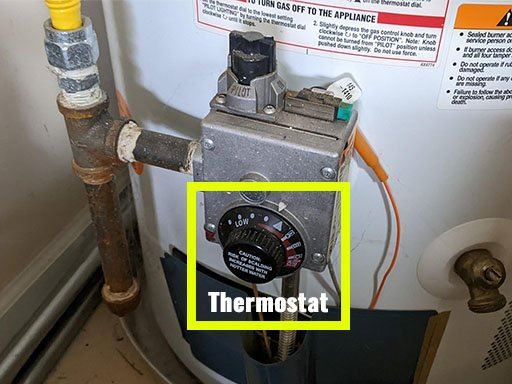
The thermostat controls the water temperature. If set too low, water stays lukewarm. Check and adjust the thermostat to a higher setting. Usually, 120°F is safe and effective.
Sediment Buildup
Minerals and sediment settle at the tank’s bottom. This layer blocks heat from reaching the water. Sediment buildup lowers heating efficiency. Flushing the tank can remove this sediment.
Heating Element Issues
Electric water heaters have heating elements inside. These elements can burn out or break over time. A damaged element reduces heat production. Testing and replacing faulty elements restores hot water.
Water Heater Size
A small water heater may struggle with demand. It heats less water at once, causing lukewarm taps. Ensure your heater matches your household’s hot water needs. Upgrading to a larger size can help.
Dip Tube Problems
The dip tube directs cold water to the tank bottom. A broken or damaged dip tube mixes cold water with hot water. This lowers overall water temperature. Replacing the dip tube fixes this problem.
Checking Thermostat And Temperature Settings
When your water heater is warm but not hot, the thermostat might be the cause. Checking the thermostat and temperature settings can fix this issue. This step helps you know if the heater works properly or needs adjustment.
Thermostats control the water temperature inside the tank. Sometimes, the settings are too low or the thermostat is faulty. Knowing how to find and change these settings can save time and money on repairs.
Locating The Thermostat
Most water heaters have two thermostats, one on top and one below. They are behind small metal panels on the tank’s side. Turn off the power before opening the panels for safety.
The thermostat looks like a small dial or knob. You may need a screwdriver to remove the panel. Check your water heater’s manual for exact locations.
Adjusting Temperature
Set the thermostat temperature to around 120 degrees Fahrenheit. This level is safe and saves energy. Turn the dial slowly to increase or decrease the heat.
After adjusting, wait at least 30 minutes. Then test the water temperature at a faucet. Adjust again if the water is still not hot enough.
Resetting The Thermostat
Some water heaters have a reset button on the thermostat. Press this button if the water stays warm but not hot. This action can fix minor thermostat issues.
Make sure the power is on before resetting. If the reset does not work, the thermostat might need replacement.
Flushing Sediment From The Tank
Water heaters often lose their heat efficiency because of sediment buildup inside the tank. Flushing sediment from the tank is a simple process that can restore your heater’s performance. Sediment comes from minerals in water. Over time, these minerals settle at the tank’s bottom. This layer blocks heat transfer, making water warm but not hot.
Why Sediment Affects Heating
Sediment forms a thick barrier between the heating element and water. This barrier lowers the heater’s ability to warm water quickly. The heating element works harder and uses more energy. Sediment also causes strange noises and can damage the tank. Removing sediment helps the heater run smoothly and lasts longer.
Step-by-step Flushing Guide
First, turn off the water heater’s power or gas supply. Next, close the cold water valve on top of the tank. Attach a garden hose to the drain valve at the tank’s base. Place the hose end outside or in a drain. Open the drain valve and let the tank empty. Open the cold water valve briefly to stir sediment. Repeat draining until clear water flows. Close the drain valve and remove the hose. Open the cold water valve to refill the tank. Turn the power or gas back on after the tank fills.
Frequency Of Flushing
Flushing once a year is best for most homes. Homes with hard water need flushing every six months. Regular flushing keeps sediment from building up. It helps maintain water heater efficiency and extends its life. Check your water heater manual for specific advice.
Credit: healingwithhorsesranch.org
Inspecting And Replacing Heating Elements
Inspecting and replacing heating elements is important when your water heater feels warm but not hot. Heating elements help warm the water inside the tank. If these parts fail, the water won’t reach the right temperature. Checking these elements can save you from cold showers and costly repairs.
Knowing how to spot faulty elements and replace them can restore your water heater’s performance. This process needs basic tools and careful steps. Safety is key to avoid any accidents during inspection and replacement.
Identifying Faulty Elements
Start by turning off the power to your water heater. Use a multimeter to test the heating elements. A reading of zero or infinite resistance means the element is bad. Look for signs of corrosion or damage on the element’s surface. These clues show the element needs replacement.
Tools Needed For Replacement
You need a few simple tools for this task. A screwdriver will help remove the access panel. A multimeter checks the element’s condition. Use a socket wrench to unscrew the faulty element. A garden hose can drain the water tank before replacement.
Safety Precautions
Always switch off the power at the circuit breaker before starting. Confirm no electricity flows with a voltage tester. Drain the water heater to avoid burns from hot water. Wear gloves to protect your hands during the process. Follow all instructions carefully to stay safe.
Addressing Dip Tube And Water Flow Issues
Water heaters sometimes deliver warm but not hot water. This problem often relates to dip tube and water flow issues. The dip tube directs cold water to the bottom of the tank. If it breaks or wears out, water mixes incorrectly. This causes lukewarm water instead of hot.
Water flow problems also reduce heating efficiency. Blockages or low pressure stop water from reaching the heater properly. Understanding these parts helps fix the water temperature problem quickly.
Role Of The Dip Tube
The dip tube sends cold water to the tank’s bottom. This placement lets cold water heat evenly. Without it, cold water mixes with hot water at the top. The result is less hot water from your tap. The dip tube keeps water flow smooth and efficient.
Signs Of Damage
Check for lukewarm water, even after waiting. Strange noises or sputtering may appear. Water may look cloudy or contain particles. These signs show the dip tube may be broken or cracked. A broken dip tube lets cold water mix too soon.
Repair And Replacement Tips
Turn off the water heater before any work. Drain the tank to avoid spills. Inspect the dip tube for cracks or breaks. Replace a damaged dip tube with the correct size. Use simple tools like a wrench and screwdriver. If unsure, call a plumber for help.

Credit: www.cingozresort.com
When To Call A Professional
Knowing when to call a professional is key for water heater issues. Some problems need expert care to avoid damage or risk. Understanding these signs helps keep your home safe and your water hot.
Complex Electrical Problems
Water heaters with electrical faults can be dangerous. Flickering power, tripped breakers, or burning smells require expert attention. A professional electrician can safely diagnose and fix wiring or control panel issues. Avoid trying repairs yourself on electrical parts to prevent shocks or fires.
Gas Water Heater Concerns
Gas water heaters need careful handling. Smelling gas, strange noises, or pilot light problems signal a need for a technician. Gas leaks or faulty burners can cause serious hazards. Certified professionals know how to repair and check gas lines safely. Never ignore gas-related issues or delay repairs.
Warranty And Service Checks
Water heaters often have warranties covering repairs. Calling a professional ensures repairs follow warranty rules. Regular service checks by experts extend heater life and maintain performance. Professionals spot small issues early before they become costly problems. Keep your warranty valid by using authorized service providers.
Preventive Tips For Consistent Hot Water
Maintaining consistent hot water is important for comfort and safety. Simple steps can help your water heater work well. Preventive care avoids sudden cold water surprises. It also saves money on repairs and energy bills.
Regular Maintenance Schedule
Check your water heater every six months. Flush the tank to remove sediment buildup. Sediment lowers heating efficiency and water temperature. Inspect the anode rod to prevent rust inside the tank. Replace worn parts quickly to avoid bigger problems. Keep the thermostat set between 120°F and 140°F for best results.
Water Quality Management
Hard water causes scale buildup in the heater. Scale reduces heat transfer and damages the unit. Use a water softener to reduce minerals in water. Test your water quality regularly for changes. Clean filters and screens to keep water flow steady. Good water quality helps keep water hot consistently.
Energy Efficiency Practices
Insulate the water heater and pipes to keep heat inside. Lower the thermostat during warmer months. Use less hot water by fixing leaks and using efficient fixtures. Turn off the water heater when away for long periods. Efficient use saves energy and keeps water temperature stable.

Credit: www.reddit.com
Frequently Asked Questions
Why Is My Water Heater Warm But Not Hot?
A common cause is a faulty thermostat or heating element. Sediment buildup can also reduce heating efficiency. Checking these parts often fixes the issue quickly.
How Can Sediment Affect Water Heater Temperature?
Sediment settles at the tank bottom, insulating the water from heat. This reduces heating efficiency, causing lukewarm water. Regular flushing prevents buildup and maintains proper water temperature.
Can A Broken Thermostat Cause Lukewarm Water?
Yes, a malfunctioning thermostat may fail to reach the set temperature. This results in water that’s warm but not hot. Replacing the thermostat usually resolves the problem.
How Long Should A Water Heater Take To Heat Water?
Typically, it takes 30 to 40 minutes to heat water fully. If it takes longer, there may be heating element or thermostat issues.
Conclusion
A water heater that feels warm but not hot can be frustrating. Simple fixes like adjusting the thermostat often help. Sediment buildup or a faulty heating element might cause the problem. Regular maintenance keeps your water heater working well. Don’t ignore the issue for too long.
Warm water is better than none, but hot water is best. Stay alert to changes in your water temperature. This keeps your daily routine comfortable and smooth.