
Choosing the right wire size for your hot water heater is more important than you might think. Using the wrong wire can cause serious safety risks, damage your heater, or even increase your electricity bills.
You want to make sure your water heater works efficiently and safely without any electrical issues. You’ll discover exactly what wire size you need, why it matters, and how to pick the best option for your home. Keep reading to protect your investment and keep your hot water flowing smoothly.
Choosing The Right Wire Size
Choosing the right wire size for a hot water heater is essential for safety and efficiency. The wire must handle the electrical load without overheating. A proper wire size also prevents energy loss and electrical hazards. Understanding key factors helps pick the correct wire size for your heater.
Factors Affecting Wire Size
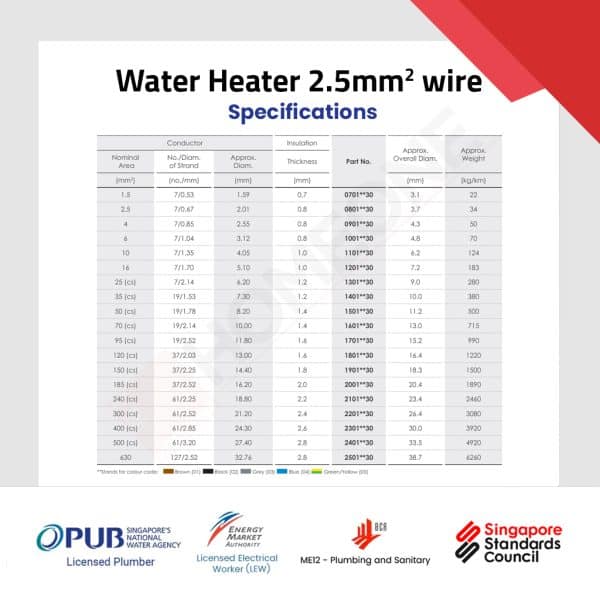
Several elements influence wire size choice. The heater’s power rating plays a big role. Higher power needs thicker wires. Distance between the breaker and heater matters too. Longer runs require larger wires to avoid voltage drop. Type of wire insulation affects heat tolerance. Local electrical codes set minimum wire sizes. Each factor ensures safe and proper wiring.
Ampacity And Load Calculation
Ampacity means the maximum current a wire can carry safely. Calculate the heater’s total amperage by dividing wattage by voltage. Choose a wire that supports this amperage. Adding a safety margin is smart to avoid overload. Using the right ampacity prevents wire damage and fire risk. Always follow national and local electrical rules for load calculation.
Voltage Drop Considerations
Voltage drop happens when electricity loses power over long distances. Large voltage drops reduce heater performance. Use thicker wire to reduce voltage drop on long circuits. The acceptable voltage drop is usually 3% or less. Check voltage drop using wire size, length, and current values. Proper wire size keeps voltage stable and heater working well.
Common Wire Sizes For Hot Water Heaters
Choosing the correct wire size for hot water heaters is important for safety and performance. Different heaters need different wire sizes based on their power and location. Using the right wire helps avoid electrical hazards and ensures the heater runs well.
Standard Residential Wire Sizes
Most homes use wire sizes between 10 and 6 gauge for hot water heaters. A 30-amp circuit usually needs 10-gauge wire. Larger heaters with 40- or 50-amp circuits require 8 or 6-gauge wire. Copper wire is common for homes because it conducts electricity well. Always check the heater’s label for the exact wire size.
Commercial And Industrial Wire Sizes
Commercial and industrial water heaters often need thicker wires. Wire sizes can range from 4 gauge to 1/0 gauge or larger. These heaters draw more power and require stronger wires to handle the load. Steel or aluminum wires might be used in some cases. Professional wiring is essential for safety in these settings.
Electrical Codes And Safety Standards
Electrical codes and safety standards are important for installing hot water heaters. They help keep homes safe and prevent electrical fires. Following these rules ensures the wire size matches the heater’s power needs. Proper wire size avoids overheating and damage.
Different places have rules to guide the installation process. These rules protect both the homeowner and the electrician. Knowing the codes helps choose the right materials and avoid costly mistakes.
National Electrical Code Requirements
The National Electrical Code (NEC) sets the minimum wire size for hot water heaters. The NEC requires wires to handle the heater’s full load current safely. Usually, copper wires of 10 or 12 gauge are common for residential heaters.
The code demands a dedicated circuit for the water heater. This prevents overloads on other circuits. Wire insulation type and breaker size must also follow NEC rules. All these standards reduce the risk of electrical hazards.
Local Regulations And Permits
Local rules may differ from national codes. Some areas require special permits before installation starts. Inspectors check that wiring meets local safety standards. This process ensures proper wire size and connections.
Permits protect homeowners by confirming licensed electricians do the work. Local codes may also add stricter rules on wire type or installation methods. Checking with local authorities prevents future fines or repairs.
Credit: www.informededucation.com
Wiring Methods For Hot Water Heaters
Wiring a hot water heater requires careful attention. The right wiring method ensures safety and efficient operation. Choosing the correct wire size and method helps prevent electrical problems. This section explains the common wiring methods for hot water heaters.
Direct Wire Connection
A direct wire connection links the water heater straight to the home’s electrical system. This method avoids using a plug or outlet. The wires connect directly to the heater’s terminals. This setup reduces connection points that might fail. It requires turning off power before wiring to avoid shocks. Always use the correct wire size for the heater’s amperage.
Using Circuit Breakers
Circuit breakers protect the wiring and the water heater. They stop electricity flow if there is a fault. The breaker size must match the heater’s power needs. Install a dedicated breaker for the hot water heater. This prevents overload and improves safety. Breakers should be tested regularly to ensure they work properly.
Grounding And Bonding
Grounding connects the heater’s metal parts to the earth. This prevents electrical shocks. Bonding links all metal parts to create one path for electricity. Both grounding and bonding are essential for safety. Use a grounding wire of the right size. Check local codes for grounding and bonding rules. Proper grounding reduces the risk of electric shock or fire.
Installation Tips For Safe Wiring
Installing the right wire size for your hot water heater is crucial for safety. Incorrect wiring can cause overheating and electrical fires. Follow these tips to ensure safe and efficient wiring.
Tools And Materials Needed
- Wire stripper
- Voltage tester
- Appropriate gauge wire (usually 10 or 8 AWG)
- Circuit breaker
- Wire nuts
- Electrical tape
- Screwdriver
- Conduit and connectors
- Multimeter
Step-by-step Wiring Process
Turn off the main power before starting any work.
Measure the distance from the circuit breaker to the water heater.
Choose the right wire size based on the heater’s amperage and distance.
Run the wire through conduit for protection.
Strip the wire ends carefully without damaging the copper.
Connect the wires to the heater terminals as per the manufacturer’s instructions.
Attach the other ends to the circuit breaker, ensuring a tight fit.
Use wire nuts and electrical tape to secure connections.
Turn on the power and test the heater with a multimeter.
Common Mistakes To Avoid
- Using wire size too small for the heater’s load.
- Ignoring local electrical codes.
- Skipping the use of a proper circuit breaker.
- Failing to turn off the main power before wiring.
- Making loose or exposed connections.
- Not using conduit to protect wires.
- Overlooking the distance effect on wire gauge.
Troubleshooting Wiring Issues
Troubleshooting wiring issues in your hot water heater is important for safety and efficiency. Problems with wiring can cause the heater to stop working or even create fire hazards. Knowing how to spot and fix these issues helps keep your home safe and your water heater running well.
Identifying Overheating Wires
Wires that get too hot are a serious sign of trouble. Look for melted insulation or dark, burnt spots on the wires. Hot wires can cause fires or damage the water heater. Check the wiring near the heater for heat or a burning smell. Use caution and turn off the power before touching wires.
Handling Voltage Fluctuations
Voltage changes can harm your water heater’s wiring. Flickering lights or tripped breakers may signal voltage issues. These fluctuations stress the wires and can cause overheating. Use a voltage tester to check if the power supply is stable. Keep wiring connections tight and clean to avoid problems.
When To Call A Professional
Some wiring problems need expert help. If you see melted wires or smell burning, stop and call a technician. Complex electrical work can be dangerous without the right tools and knowledge. A professional can safely inspect and repair your wiring. Protect your home by trusting trained electricians.
Frequently Asked Questions
What Wire Size Is Needed For A 40-gallon Water Heater?
A 40-gallon water heater typically requires a 10-gauge wire. This size supports the 30-amp circuit breaker commonly used. Always confirm with your water heater’s specifications and local electrical codes for safety.
Can I Use 12-gauge Wire For A Hot Water Heater?
No, 12-gauge wire is generally too small for most hot water heaters. Most units require at least 10-gauge wire due to higher amperage. Using smaller wire risks overheating and potential fire hazards.
How To Determine The Right Wire Size For Water Heaters?
Check the water heater’s amperage rating on its label. Match the wire size to the breaker amperage, following the National Electrical Code. Usually, 10-gauge wire is standard for 30-amp circuits used by water heaters.
Does Wire Size Affect Water Heater Performance?
Wire size does not directly impact water heater performance. However, proper wire size ensures safe and efficient electrical flow. Undersized wire can cause voltage drops, leading to heater malfunction or damage.
Conclusion
Choosing the right wire size keeps your hot water heater safe and efficient. Too small wires can cause overheating and power loss. Correct wire size helps your heater work well and last longer. Always check the heater’s power needs and local rules before installing.
Proper wiring protects your home and saves money on repairs. Simple steps make a big difference in safety and performance. Keep these tips in mind for a reliable hot water heater setup.