
Choosing the right water heater tank size can save you from cold showers and high energy bills. But how do you know what size fits your home and your needs?
If you’ve ever wondered about the average water heater tank size and which one is perfect for you, this article will clear up the confusion. Keep reading to discover the key factors that affect tank size and how to pick the best option for your comfort and budget.
Your hot water experience depends on it.
Common Water Heater Tank Sizes
Water heater tanks come in different sizes. Choosing the right size helps save energy and meet daily hot water needs. Common tank sizes fit small, medium, or large households. Each size suits different amounts of water use. Knowing these sizes helps you pick the best tank for your home.
Small Capacity Tanks
Small tanks usually hold 20 to 30 gallons of water. They work well for one or two people. These tanks are compact and use less space. They are perfect for small apartments or guest bathrooms. Small tanks heat water quickly but hold less hot water.
Medium Capacity Tanks
Medium tanks hold between 40 and 50 gallons. They suit families of three to four people. These tanks balance size and hot water supply. Most homes find this size ideal for daily use. Medium tanks provide enough hot water for showers and chores.
Large Capacity Tanks
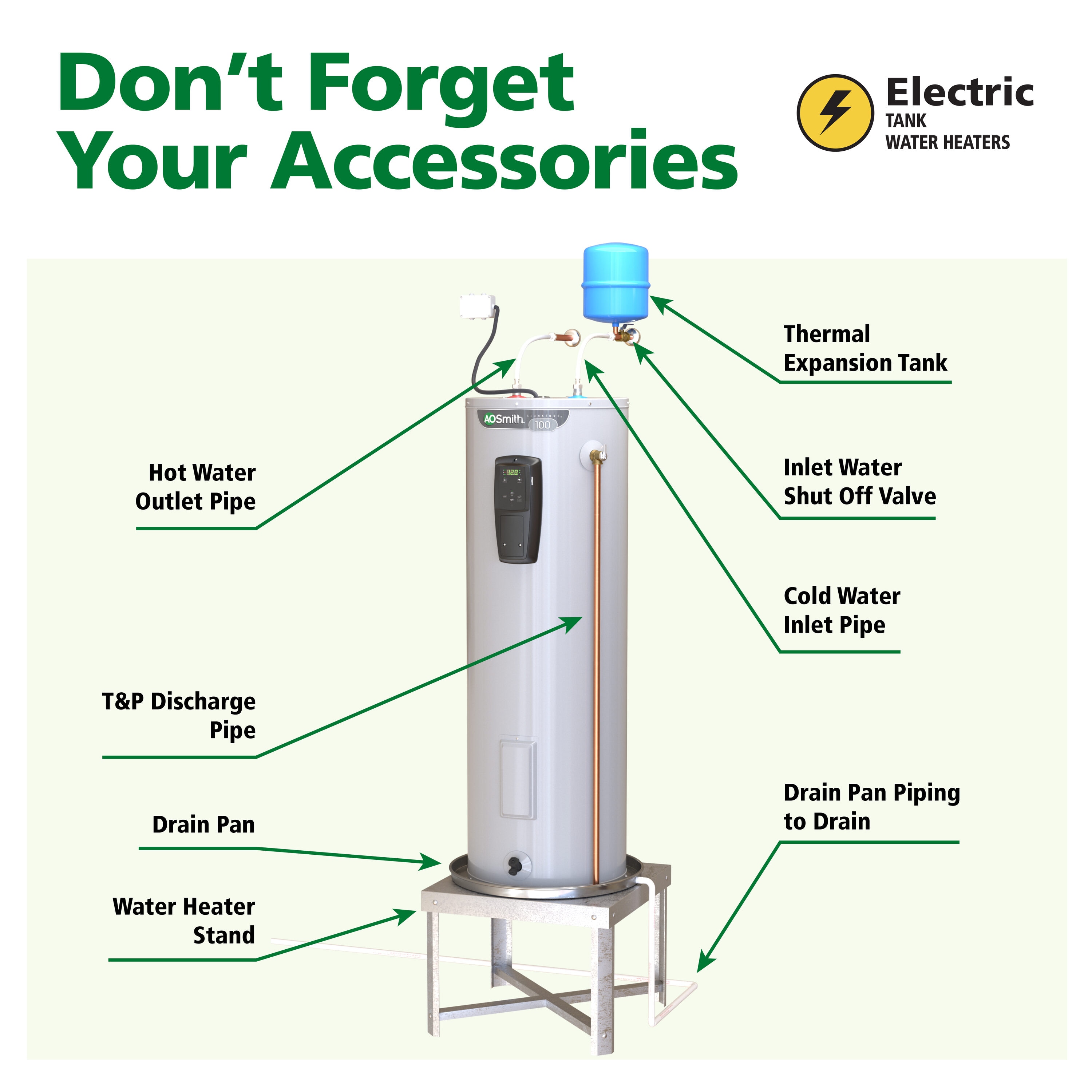
Large tanks store 60 gallons or more. They fit large families or homes with high water demand. These tanks keep more hot water ready at all times. Big tanks are taller and need more space. They ensure no one runs out of hot water.
Credit: www.cen.com.mx
Factors Affecting Tank Size Choice
Choosing the right water heater tank size depends on several key factors. These factors help match the tank to your household’s needs. Picking the correct size saves energy and avoids running out of hot water. Understanding these points makes the decision easier and smarter.
Household Size
The number of people in your home is a major factor. Larger families need bigger tanks to supply enough hot water. Smaller households may only require a small or medium-sized tank. Count everyone who uses water daily to estimate the right size.
Daily Water Usage
How much hot water your household uses each day matters. Baths, showers, dishwashing, and laundry all add to usage. Higher water use means a larger tank is necessary. Track your daily habits to find your average water needs.
Peak Demand Times
Hot water use often spikes during certain times of the day. Morning showers and evening laundry are common peak periods. Tanks must handle these bursts without running out. Consider your busiest water use times when choosing tank size.
Types Of Water Heaters
Water heaters come in different types and sizes. Each type has unique features and fits different needs. Understanding these types helps you pick the right water heater for your home. This section explains the main types of water heaters and their differences.
Tank Vs Tankless
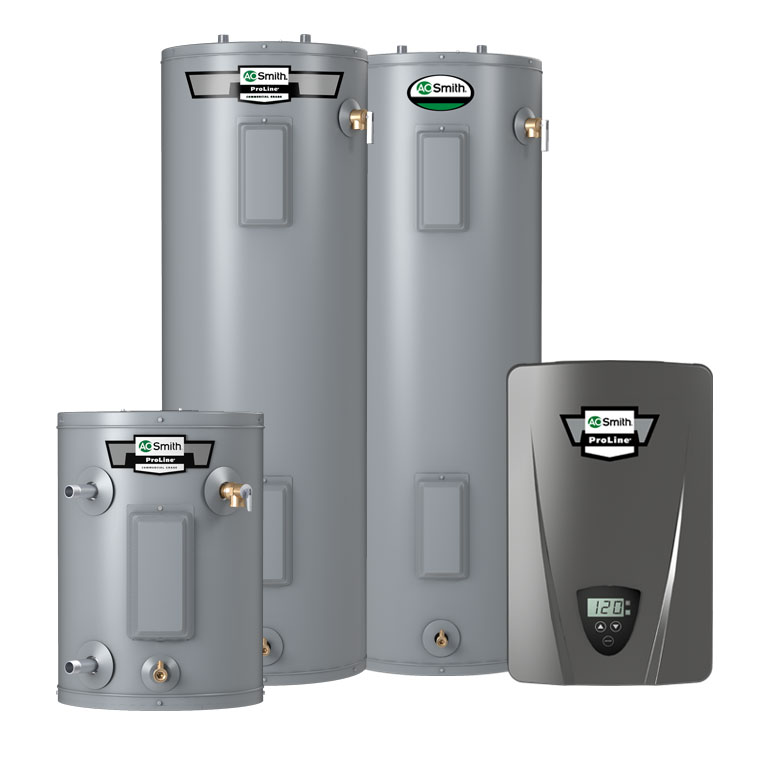
Tank water heaters store hot water in a large tank. They keep water warm all the time. Tankless heaters heat water only when needed. They do not store water. Tankless models save space and energy. Tanks are good for large families that use more hot water.
Electric Vs Gas
Electric water heaters use electricity to heat water. They are easy to install and maintain. Gas water heaters use natural gas or propane. They heat water faster and cost less to run. Gas heaters need proper ventilation for safety. Electric models work well in homes without gas lines.
Storage Capacity Differences
Tank water heaters have sizes from 20 to 80 gallons. Small tanks suit 1 to 2 people. Larger tanks fit families of 4 or more. Tankless heaters do not have storage capacity. They provide hot water on demand. Choosing the right size depends on your household needs.
Credit: www.hotwater.com
Calculating Your Ideal Tank Size
Choosing the right water heater tank size is important for your home’s comfort. A tank that is too small runs out of hot water quickly. A tank that is too large wastes energy and space. Calculating your ideal tank size helps you avoid these problems.
Understanding your water use and tank features makes this easier. Focus on daily water needs, recovery rate, and climate effects. These factors guide you to the best tank size for your home.
Estimating Gallons Per Day
Start by figuring out how much hot water your household uses daily. Count the number of people and their habits. For example, showers, dishwashing, and laundry add to water use.
On average, each person uses about 20 to 30 gallons of hot water daily. Multiply this by the number of people in your home. This gives a rough estimate of your daily hot water needs.
Considering Recovery Rate
The recovery rate shows how fast the heater warms new water. A high recovery rate means the tank refills quickly. This affects how often you run out of hot water.
Check the recovery rate on the water heater label. Compare this with your estimated daily water use. Choose a tank with a recovery rate that matches your needs. This keeps hot water ready when you need it.
Adjusting For Climate
Climate affects water heater performance and energy use. Cold areas need more energy to heat water. This can slow the recovery rate and lower efficiency.
In colder climates, pick a slightly larger tank or one with a faster recovery rate. This ensures steady hot water supply during cold months. Adjusting for climate keeps your water heater reliable year-round.
Energy Efficiency And Tank Size
Choosing the right water heater tank size affects energy use significantly. Energy efficiency depends on matching the tank size to your household needs. Too large a tank wastes energy by heating water you do not use. Too small a tank forces the heater to work harder, using more power.
Impact Of Tank Size On Energy Use
Larger tanks hold more hot water, needing more energy to keep warm. Heat loss happens through the tank walls over time. A small tank heats water faster and uses less energy for standby losses. But it may run out quickly, making the heater work more often. Proper tank size reduces energy waste and lowers utility bills.
Energy Star Ratings
Energy Star labels show water heaters with high energy efficiency. These models use technology to keep heat longer and use less power. Tanks with Energy Star ratings often have better insulation and efficient burners. Choosing an Energy Star water heater saves money and reduces environmental impact.
Insulation Benefits
Insulation keeps hot water warm inside the tank. Thick insulation reduces heat loss and energy needed to reheat water. Some tanks have extra layers or foam insulation for better performance. Good insulation means your water heater runs less, saving energy and costs.
Installation And Space Considerations
Choosing the right water heater tank size is important. Installation and space needs must be considered carefully. The space where you install the tank affects which size fits best. Proper ventilation and safety rules protect your home and family. Hiring a professional helps ensure the installation goes smoothly.
Available Space For Tank
Measure the area where the tank will go. Check height, width, and depth to avoid tight fits. Leave extra room for maintenance and repairs. Small spaces may need smaller tanks or tankless models. Make sure the water heater door or panel can open easily.
Ventilation And Safety
Good airflow prevents heat buildup and moisture problems. Install the tank in a well-ventilated spot. Keep it away from flammable items and materials. Follow local codes for vent pipe size and placement. Proper ventilation lowers risks of carbon monoxide poisoning.
Professional Installation Tips
Choose a certified installer with water heater experience. They will check your home’s plumbing and electrical systems. A pro ensures correct tank placement and secure connections. They test the heater for leaks and proper function. Professional installation extends the life of your water heater.
Maintenance Tips For Different Tank Sizes
Maintaining a water heater tank is important for all sizes. Different tank sizes need special care. Small tanks have less water but may need frequent checks. Large tanks hold more water and need regular cleaning. Proper care keeps your heater working well and saves money.
Flushing The Tank
Flushing removes dirt and sediment that build up inside. Small tanks may need flushing once a year. Larger tanks need flushing twice a year. Use cold water to flush the tank until it runs clear. This keeps the heater efficient and safe.
Checking Anode Rods
Anode rods stop rust inside the tank. Small tanks have shorter rods, easier to check. Larger tanks have longer rods, check both ends. Replace rods if they look worn or thin. This protects the tank and extends its life.
Extending Tank Life
Keep the temperature at 120°F to avoid damage. Small tanks heat water quickly but can overheat. Large tanks keep water warm longer but use more energy. Insulate your tank to save heat. Regular checks help catch problems early.
Credit: www.bobvila.com
Signs You Need To Resize Your Tank
Knowing when to resize your water heater tank can save you time and money. The right tank size meets your home’s hot water needs without wasting energy. Watch for signs that your tank no longer fits your requirements. These clues help you decide if resizing is necessary.
Running Out Of Hot Water
Running out of hot water quickly is a clear sign. Your tank may be too small for your household. Showers get cold faster than before. This means the stored hot water runs out too soon. A bigger tank can solve this problem.
Long Wait Times For Heating
Waiting a long time for hot water after use is another sign. A small tank takes longer to heat water again. This delay can be frustrating during busy mornings. Increasing tank size reduces waiting times. It keeps hot water ready when you need it.
Rising Energy Bills
Higher energy bills might mean your water heater works too hard. A tank that is too small heats water more often. This constant reheating uses more energy. A larger tank holds more hot water. It lowers energy use and cuts bills.
Frequently Asked Questions
What Is The Average Water Heater Tank Size For Homes?
The average water heater tank size for most homes is 40 to 50 gallons. This size suits families of three to five people and balances capacity with energy efficiency.
How To Choose The Right Water Heater Tank Size?
Choose a tank size based on your household size and water usage. Smaller families need 30-40 gallons, while larger families require 50-80 gallons.
Does Tank Size Affect Water Heater Efficiency?
Yes, tank size impacts efficiency. Oversized tanks waste energy maintaining unused hot water. Proper sizing ensures optimal performance and lower energy bills.
Can A 40-gallon Water Heater Serve A Family Of Four?
Yes, a 40-gallon water heater typically serves a family of four efficiently. It provides enough hot water for daily activities without excessive energy use.
Conclusion
Choosing the right water heater tank size helps save energy and money. Most homes use tanks between 30 and 50 gallons. Smaller families may need less, while larger ones need more. A proper size gives enough hot water without wasting energy.
Think about your daily needs before buying. This ensures comfort and efficiency in your home. Simple steps lead to better water heating.