
Are you sure your water heater venting is safe and up to code? Proper venting is not just about following rules—it protects your home and keeps your family safe from dangerous gases.
If you want to avoid costly repairs, prevent carbon monoxide leaks, and ensure your water heater works efficiently, understanding the water heater venting code is a must. You’ll discover exactly what you need to know to get your venting right the first time.
Keep reading to protect your home and gain peace of mind.
Types Of Water Heater Vents
Water heater venting is crucial for safety and efficiency. Different types of vents suit various water heater models and home setups. Understanding these vents helps ensure proper installation and operation. Below are the main types of water heater vents used today.
Natural Draft Vents
Natural draft vents rely on hot air rising to push gases outside. They use gravity and heat to move exhaust through a vertical pipe. These vents require a chimney or flue for proper airflow. They work best with gas water heaters in homes with existing chimneys.
Power Vents
Power vents use a small fan to push exhaust gases out. They allow flexible vent pipe routes, including horizontal paths. These vents help place water heaters in basements or tight spaces. Power vents need electricity to operate the fan safely and effectively.
Direct Vents
Direct vents pull fresh air from outside for combustion. They prevent using indoor air, improving indoor air quality. Exhaust gases vent directly outside through a sealed pipe. These vents work well in tight or energy-efficient homes.
Concentric Vents
Concentric vents combine intake and exhaust in one pipe. The inner pipe removes exhaust, while the outer pipe brings in fresh air. This design saves space and simplifies installation. They fit well with direct vent water heaters and modern homes.
Credit: salisburyfertilitycentre.nhs.uk
Materials For Vent Pipes
Choosing the right materials for water heater vent pipes is important for safety and efficiency. Vent pipes carry harmful gases out of your home. Different materials suit different types of water heaters and venting systems. Understanding these options helps ensure your system works well and meets code requirements.
Metal Vent Pipes
Metal vent pipes are strong and heat resistant. They are usually made from galvanized steel or aluminum. These pipes handle high temperatures safely. Metal pipes are common for gas water heaters. They offer durability and long life. Metal vent pipes also resist corrosion and damage. Installation requires careful sealing to prevent leaks.
Pvc And Cpvc Options
PVC and CPVC pipes work well for some water heaters. These plastic pipes handle lower temperatures. CPVC is more heat resistant than PVC. Both types are lightweight and easy to install. They are often used with high-efficiency water heaters. PVC and CPVC pipes must meet local venting codes. Proper use prevents cracks and gas leaks.
Flexible Venting Materials
Flexible vent pipes offer easy installation in tight spaces. They are made from metal or special plastic. Flexible pipes bend without breaking. They connect water heaters to main vent pipes smoothly. These materials must be approved for venting use. Flexible venting allows better fit in complex layouts. Proper support is needed to avoid sagging.
Clearance And Placement Rules
Proper clearance and placement of water heater vents are vital for safety and efficiency. These rules ensure vents do not cause fire hazards or block airflow. Following these guidelines prevents dangerous gas buildup and keeps your home safe.
Minimum Distance From Combustibles
Water heater vents must keep a safe distance from flammable materials. This distance varies by local codes but usually ranges from 6 to 12 inches. Walls, ceilings, and insulation near the vent need clearance to avoid fire risks. Always check specific rules before installation.
Outdoor Vent Termination Requirements
Outdoor vent ends must be placed away from windows, doors, and air intakes. This stops exhaust gases from entering the home. Codes often require at least 3 feet clearance around vent termination points. Position vents where wind or rain won’t block airflow.
Vertical And Horizontal Run Guidelines
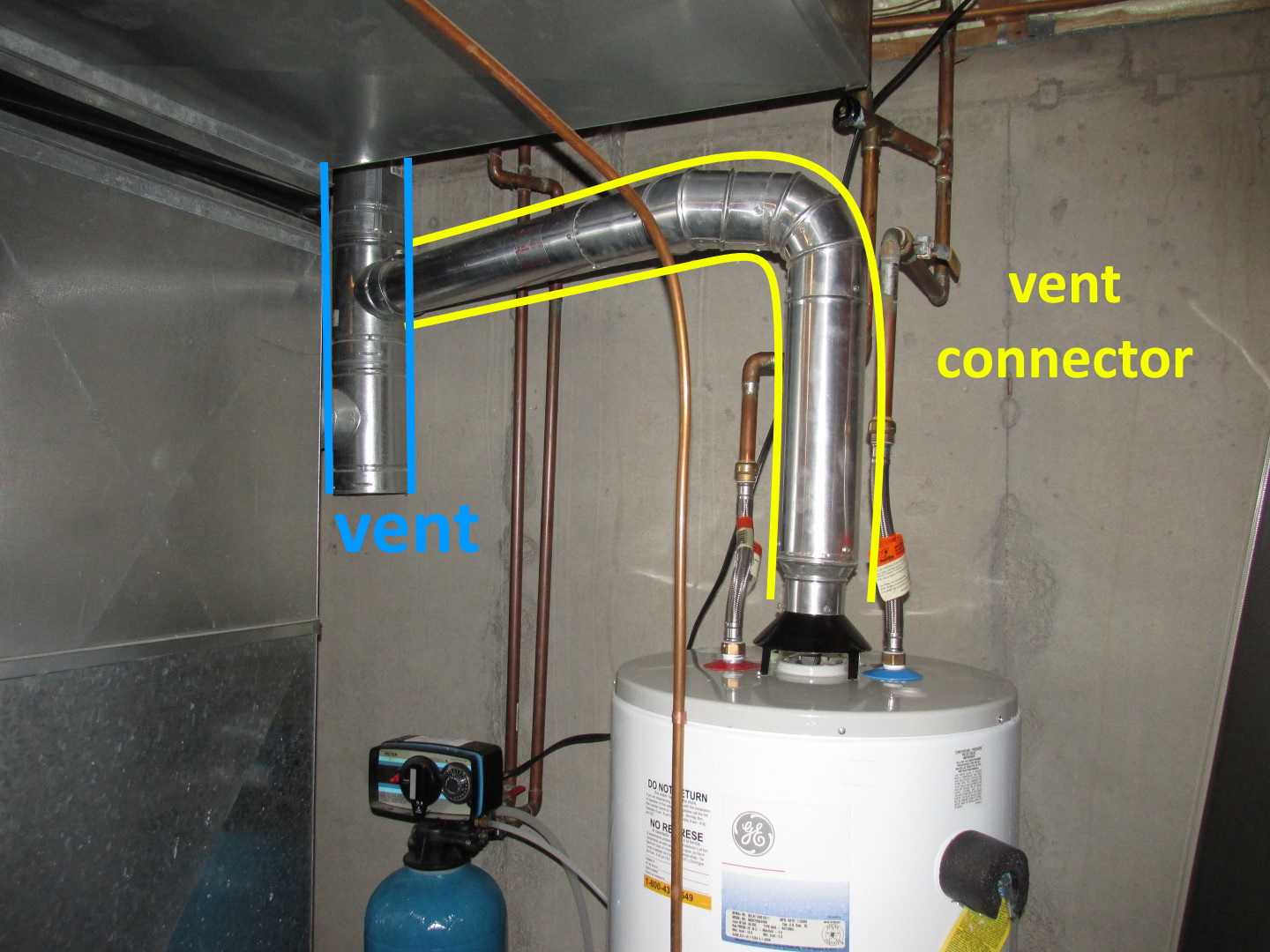
Vents can run vertically or horizontally, but both paths have limits. Vertical runs need support to prevent sagging and maintain airflow. Horizontal runs must slope slightly upward toward the vent exit. This slope helps remove condensation safely outside.

Credit: www.waterheaterpros.com
Vent Sizing And Capacity
Proper vent sizing and capacity are key for safe water heater operation. The vent carries harmful gases out of your home. If the vent is too small, gases cannot escape properly. If too large, the system loses efficiency. Understanding how to size vents ensures safety and good performance.
Calculating Proper Vent Size
Start with the water heater’s input rating. This number shows how much heat the unit produces. Use charts in the venting code to find the right vent size. The vent’s diameter must match the heat output. Use the smallest required size if multiple sizes fit. Proper sizing avoids backdraft and gas buildup.
Effects Of Vent Length On Performance
Long vents reduce draft and slow gas exit. This can cause dangerous gas buildup inside your home. Vent codes limit how long vents can be. Adding elbows or bends also reduces vent efficiency. Keep the vent as short and straight as possible. This helps gases flow out smoothly and safely.
Multiple Appliance Venting
Several appliances can share one vent system. The vent must handle the combined heat output. Use the total input rating to size the vent. Check code rules for spacing and installation. Proper design prevents dangerous gas mixing or backflow. Each appliance must vent safely to protect your home.
Draft And Combustion Air
Proper draft and combustion air are crucial for safe water heater operation. Without correct venting and air supply, harmful gases can build up. This section explains key points to follow the water heater venting code. Clear air flow keeps your home safe and your heater working well.
Ensuring Proper Draft
Draft means the flow of air through the vent system. It helps remove combustion gases from the water heater. A good draft prevents gas leaks inside your home. To ensure proper draft, vents must be the right size and length. Avoid bends or blockages in the vent pipe. Check vents regularly to keep them clean and clear.
Combustion Air Supply Needs
Combustion air is the fresh air needed for burning fuel. Water heaters use this air to operate safely and efficiently. The venting code requires enough air to enter the heater area. This air can come from outside or from large indoor spaces. Small, tight rooms need special air vents or ducts. Lack of combustion air causes poor burning and dangerous fumes.
Sealing And Insulation Considerations
Sealing around the vent pipes stops air leaks in the home. Proper sealing improves energy efficiency and safety. Use heat-resistant sealants approved by code. Insulate vent pipes in cold places to avoid condensation. Avoid blocking air openings with insulation. Follow local code rules for sealing and insulation around vents.
Safety Features And Inspections
Safety features and inspections are crucial for water heater venting. Proper venting keeps harmful gases out of your home. Regular checks ensure vents work well and meet code rules. These steps protect your family from dangers like carbon monoxide. Understanding these safety points helps maintain a safe and efficient water heater system.
Carbon Monoxide Prevention
Water heaters produce carbon monoxide, a deadly gas. Proper venting directs this gas outside your home. Vents must be sealed and in good condition. Any leaks can let carbon monoxide enter living spaces. Installing carbon monoxide detectors near water heaters adds extra safety. These devices alert you if gas levels rise too high.
Regular Inspection And Maintenance
Inspect vents regularly to spot damage or blockages. Clear debris like leaves or nests from vent openings. Check for rust, cracks, or loose connections. Maintenance keeps vents working smoothly and safely. Hire a professional to inspect your system yearly. They follow local codes and fix any problems found.
Common Code Violations
Many water heater vents fail to meet code rules. Common issues include incorrect vent pipe size and poor vent placement. Using wrong materials or missing supports causes problems. Blocked or damaged vents also violate safety codes. These faults increase risk of gas leaks and fires. Fixing violations protects your home and family.
Local And National Code References
Water heater venting must follow strict codes to ensure safety and efficiency. These codes come from both local authorities and national organizations. Understanding these references helps with proper installation and maintenance. This section explains key codes that guide water heater venting.
International Residential Code (irc)
The International Residential Code (IRC) sets basic rules for venting water heaters. It focuses on safe air flow and proper vent pipe size. The IRC requires vent materials to resist heat and corrosion. It also covers clearances between vents and combustible materials. Builders and inspectors widely use the IRC as a standard guide.
National Fire Protection Association (nfpa) Standards
The National Fire Protection Association (NFPA) provides fire safety rules for water heater venting. NFPA 54, known as the National Fuel Gas Code, is the main reference. It details vent pipe installation to prevent gas leaks and fires. The NFPA standards also explain how to test vents for leaks and blockages. Following these standards reduces fire risks and protects homes.
State And Municipal Variations
States and cities may add specific rules to national codes. These rules address local climate, building types, and safety needs. Some areas require special vent pipe materials or extra inspections. It is important to check local codes before installing or repairing vents. Local codes often take priority over national codes in enforcement.
Professional Installation Tips
Proper water heater venting is crucial for safety and efficiency. Following professional installation tips helps avoid common problems. It ensures your system meets all safety codes and works well for years.
Understanding key steps can simplify the installation process. These tips focus on hiring experts, obtaining permits, and solving venting issues effectively.
Hiring Licensed Contractors
Always hire licensed contractors for water heater venting. Licensed pros know local codes and safety rules. They use the right tools and materials. This reduces risks of leaks or carbon monoxide problems. Verify their license and experience before hiring. Ask for references and past work examples.
Permits And Inspections
Permits ensure your installation meets city and state standards. Your contractor should get the necessary permits before starting work. After installation, inspectors check the venting system. They confirm it is safe and code-compliant. Passing inspections avoids fines and future repairs. Keep all permit documents for your records.
Troubleshooting Venting Issues
Common venting problems include blockages, leaks, and poor airflow. Check the vent pipe for cracks or holes regularly. Clear any debris or nests inside the vent. Ensure the vent pipe slopes upward to allow gases to escape. Watch for unusual smells or noises near the heater. These signs mean you should call a professional immediately.

Credit: www.dangerfieldsofshakopee.com
Frequently Asked Questions
What Is The Water Heater Venting Code?
The water heater venting code sets safety and installation standards. It ensures proper exhaust of gases and prevents carbon monoxide buildup. Codes vary by region but generally require specific vent materials, clearances, and venting methods. Following these codes keeps homes safe and appliances efficient.
Why Is Proper Water Heater Venting Important?
Proper venting removes harmful combustion gases like carbon monoxide. It prevents gas leaks and reduces fire hazards. Correct venting improves water heater efficiency and prolongs its lifespan. Improper venting can cause health risks and code violations, making compliance essential.
What Materials Are Allowed For Water Heater Vents?
Allowed vent materials include galvanized steel, aluminum, and stainless steel. These materials resist corrosion and heat from exhaust gases. Plastic vents are generally not permitted for gas water heaters. Using approved materials ensures safety and code compliance.
How Do I Know If My Venting Meets Code?
Check for proper vent pipe size, material, and slope. Ensure clearances around vents and correct termination outside the home. Local building codes or a professional inspection can confirm compliance. Following these steps avoids hazards and code violations.
Conclusion
Following the water heater venting code keeps your home safe. Proper venting stops harmful gases from building up. It also helps your heater work well and last longer. Always check local rules before installing or fixing vents. Simple steps can prevent big problems later.
Stay informed and act carefully. Your safety matters most.