
Is your water heater shower not working when you need it most? It’s frustrating to step into a cold shower or find no water at all.
You rely on your shower to start your day right, so when it stops working, it can throw off your entire routine. But don’t worry—you’re not alone, and there are simple steps you can take to fix the problem quickly.
Keep reading to discover why your water heater shower might not be working and how you can get it back to perfect temperature in no time. Your comfort is just a few solutions away.
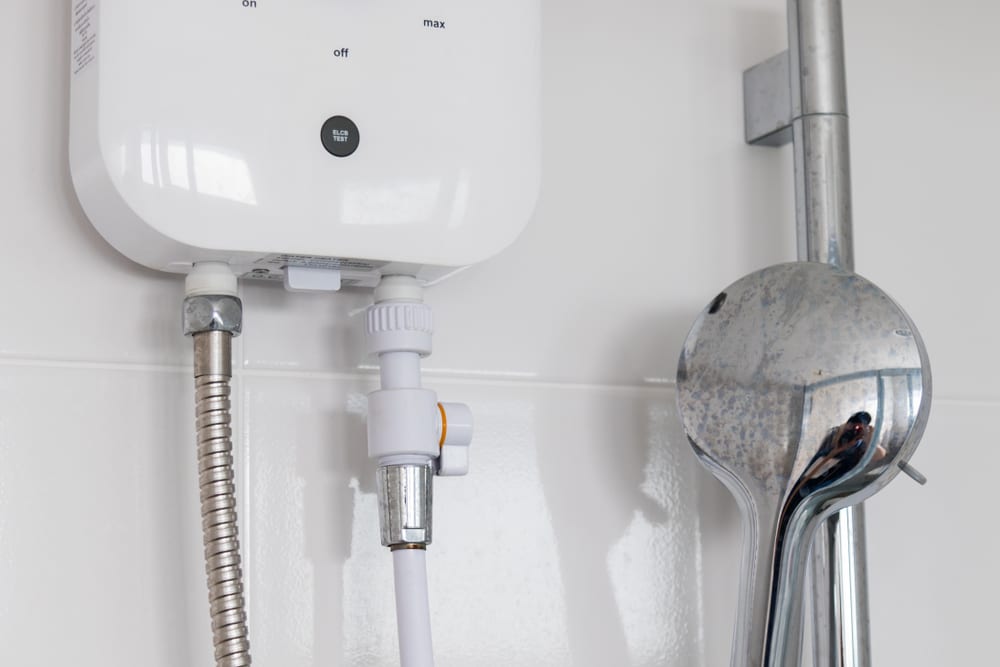
Credit: www.fenwickhomeservices.com
Common Causes
A water heater shower not working can be frustrating. Several common issues cause this problem. Understanding these can help you find solutions quickly. Below are some frequent reasons why your water heater shower stops working.
Power Supply Issues
Electric water heaters need steady power. A tripped circuit breaker or blown fuse can stop the heater. Loose wires or faulty switches may also cut power. Check your home’s electrical panel for any problems.
Thermostat Problems
The thermostat controls the water temperature. If it breaks or malfunctions, water may stay cold or too hot. Sometimes, the thermostat setting is too low. Testing or replacing the thermostat can fix this issue.
Faulty Heating Element
The heating element warms the water inside the tank. Over time, it can wear out or break. A damaged element will cause no hot water or inconsistent heat. Replacing the heating element often restores proper function.
Water Pressure Concerns
Low water pressure affects shower performance. Clogged pipes or valves can reduce flow. Sediment build-up inside the heater also lowers pressure. Cleaning or repairing these parts can improve water flow and heat.
Safety Precautions
Dealing with a water heater shower not working can be tricky and risky. Safety must come first before any repair or check. Taking simple safety steps can protect you from harm and damage.
Always follow safety rules to avoid electric shock, burns, or water damage. These steps help keep the process safe and smooth.
Turn Off Power
Switch off the power supply to the water heater before any work. This stops electricity from flowing and lowers the risk of shocks. Use the main circuit breaker or unplug the unit if possible.
Double-check that the power is off by trying to turn on the shower. No electricity means it is safe to continue.
Check For Leaks
Look carefully around the water heater and pipes for any water leaks. Water and electricity together can be very dangerous. Leaks can cause slips or damage electrical parts.
Fix any leaks before touching the water heater or its wiring. Use a dry cloth to clean wet areas and keep the place safe.
Use Protective Gear
Wear gloves and rubber-soled shoes to protect from electric shocks. Safety glasses can stop water or debris from getting into your eyes. Use tools with insulated handles for extra safety.
Protective gear helps reduce the chance of injury. Never skip wearing safety equipment during repairs or checks.
Troubleshooting Steps
Water heater showers can stop working for many reasons. Troubleshooting helps find the problem fast. Follow clear steps to check your water heater. This saves time and money on repairs.
Start with easy fixes. Then test parts that need more care. Use simple tools and safety first. This guide shows steps anyone can try.
Reset The Heater
Locate the reset button on your water heater. It is often red and near the thermostat. Press the button firmly. This can clear minor faults. Wait a few minutes and try the shower again.
Resetting can fix power glitches or overheating. Do not press it repeatedly. Only once is enough to reset the system.
Test The Thermostat
The thermostat controls water temperature. Use a multimeter to test it. Turn off power before testing to stay safe. Set the multimeter to measure resistance. Check if the thermostat shows a normal reading. A broken thermostat may need replacement.
Thermostat issues cause no hot water or too hot water. Testing helps decide the next step.
Inspect Heating Elements
Heating elements heat the water inside the tank. Remove the access panel to find them. Look for visible damage or corrosion. Use a multimeter to test continuity. No continuity means the element is broken. Replace faulty heating elements to restore heat.
Damaged elements cause cold water or inconsistent heat. Regular inspection keeps the heater working well.
Check Circuit Breaker
Find your home’s electrical panel. Look for the breaker linked to the water heater. If it is tripped, switch it off and on again. This resets the power supply. A breaker that keeps tripping may signal wiring problems. Call a professional if the breaker does not stay on.
Power issues often cause water heater failure. Checking the breaker is a quick fix step.

Credit: blog.totalhomesupply.com
Quick Fixes
A water heater shower not working can be frustrating. Some problems are easy to fix on your own. Quick fixes save time and avoid costly repairs. Try these simple steps to restore your warm shower.
Replace Fuse Or Breaker
Check your home’s electrical panel for a blown fuse or tripped breaker. A fuse may blow if there is a power surge. A breaker trips to protect the system. Turn off the main power before replacing. Swap the fuse with one of the same rating. Reset the breaker by flipping it off and on. This often restores power to the water heater.
Clean Showerhead
Mineral buildup can block water flow and reduce heat. Remove the showerhead and soak it in vinegar for an hour. Use a brush to clear clogged holes. Rinse well and reinstall. A clean showerhead improves water pressure and warmth. This simple step often fixes weak or cold showers.
Adjust Temperature Settings
Check the water heater’s thermostat. It may be set too low. Increase the temperature slightly to get warmer water. Do not set it too high to avoid burns. Most heaters have a dial or digital control. Adjust carefully and wait a few minutes. Test the water temperature again after changing settings.
Fix Loose Wiring
Loose wiring can stop the heater from working properly. Turn off power before checking wires. Inspect connections at the water heater and switch. Tighten any loose wires with a screwdriver. Look for signs of damage or corrosion. Fixing wiring issues often restores the heater’s function. Call a professional if unsure about electrical work.
When To Call A Professional
Knowing when to call a professional for a water heater shower problem is important. Some issues need expert help to avoid more damage or safety risks. A professional can quickly find the cause and fix it safely. Here are signs that it is time to call a plumber or technician.
Persistent Issues
If your water heater shower stops working repeatedly, do not wait. Simple fixes might not solve the real problem. Continuous problems mean the heater or wiring may be faulty. A professional can diagnose and fix these persistent issues properly.
Complex Electrical Problems
Water heaters use electricity and can be dangerous to handle. Flickering power, tripped breakers, or no power at all need expert attention. Professionals have the right tools and knowledge to work with electrical parts safely. Avoid trying to fix electrical faults yourself.
Water Leaks
Leaks around your water heater shower can cause water damage and mold. Small leaks may grow bigger if left alone. A professional plumber can find the source and repair the leak correctly. Do not ignore water dripping or pooling near the heater.
Warranty Concerns
Many water heaters come with a warranty that covers repairs. Trying to fix the heater yourself might void the warranty. Calling a professional ensures repairs are done by authorized service providers. This keeps your warranty valid and protects your investment.

Credit: www.bossplumbing.com
Maintenance Tips
Proper maintenance keeps your water heater shower working well. Small tasks prevent big problems and save money. Follow these simple tips to maintain your water heater.
Regular Cleaning
Clean the showerhead often. Dirt and mineral buildup block water flow. Use a soft brush and vinegar to remove deposits. Clean the heater’s exterior to avoid dust buildup.
Periodic Inspections
Check the water heater every few months. Look for leaks, rust, or strange noises. Tighten loose parts and replace worn components. Early detection stops costly repairs later.
Flushing The Heater
Flush the water heater once a year. Sediment collects at the tank’s bottom. This reduces heating efficiency and damages parts. Drain the tank until clear water flows out.
Checking Anode Rod
The anode rod prevents rust inside the tank. Inspect it every year for wear. Replace the rod if it is corroded or thin. This extends the heater’s life and saves money.
Frequently Asked Questions
Why Is My Water Heater Shower Not Producing Hot Water?
This usually happens due to a faulty heating element or thermostat. Check for power supply issues or sediment buildup inside the tank. Regular maintenance can prevent such problems and ensure consistent hot water flow.
How Do I Fix A Water Heater Shower With Low Water Pressure?
Low water pressure might result from clogged pipes or a blocked showerhead. Clean the showerhead and check for leaks or mineral deposits in the plumbing. If the issue persists, consult a professional plumber for a thorough inspection.
Can A Tripped Circuit Breaker Cause Water Heater Shower Failure?
Yes, a tripped breaker can cut power to the water heater, stopping hot water flow. Reset the breaker and monitor if it trips again. Frequent trips may indicate electrical issues needing expert repair.
What Maintenance Prevents Water Heater Shower Malfunctions?
Regularly flush the tank to remove sediment and inspect heating elements. Clean or replace showerheads to avoid clogs. Scheduling annual professional maintenance helps extend the water heater’s lifespan and maintains shower performance.
Conclusion
A water heater shower not working can be frustrating. Check the power supply and water connections first. Sometimes, a simple reset fixes the problem. Cleaning the showerhead can improve water flow. Remember to inspect the thermostat settings. Regular maintenance helps avoid future issues.
If problems persist, calling a professional is wise. Keeping your shower warm and steady is important for comfort. Small steps often solve big problems. Don’t ignore signs of trouble early on. Stay patient and follow these tips carefully.