
Is your gas water heater acting up when you need it most? You rely on it every day for hot showers, washing dishes, and keeping your home comfortable.
When it stops working properly, it can throw off your entire routine. But don’t worry—before calling a costly repair service, you can troubleshoot many common problems yourself. In this guide, you’ll discover simple steps to identify and fix issues with your gas water heater.
By the end, you’ll feel confident handling those frustrating hiccups and get your hot water flowing again quickly. Ready to take control of your water heater troubles? Let’s dive in.
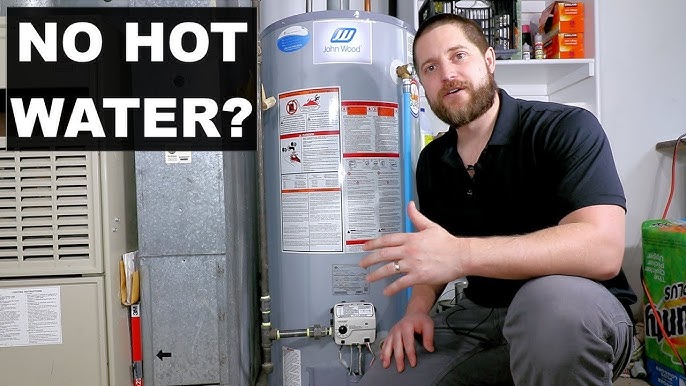
Credit: www.youtube.com
Common Gas Water Heater Problems
Gas water heaters are common in many homes. They heat water efficiently but can face problems over time. Knowing common issues helps in quick fixes. This saves time and money. Understanding these problems also improves safety and comfort.
No Hot Water
No hot water is a frequent issue. It may occur due to a faulty thermostat. Sometimes the pilot light goes out. Gas supply problems also cause no hot water. Checking these parts often solves the issue fast.
Insufficient Hot Water
Running out of hot water quickly bothers many users. A small water heater tank may cause this. Sediment build-up inside the tank reduces heating efficiency. Adjusting the thermostat or flushing the tank helps restore hot water supply.
Water Too Hot
Water that is too hot can cause burns. The thermostat might be set too high. A broken thermostat also leads to overheating. Lowering the temperature setting or replacing the thermostat fixes this problem.
Pilot Light Issues
Pilot light problems are common in gas heaters. It may keep going out or fail to light. Dirt or debris can block the pilot light. Thermocouple failure is another cause. Cleaning or replacing parts restores proper function.
Strange Noises
Unusual noises like popping or banging come from heaters. Sediment build-up inside the tank causes these sounds. Water hitting hot sediment creates noise. Flushing the tank removes sediment and stops noises.
Water Leaks
Leaks near the water heater signal trouble. Loose connections or damaged pipes cause leaks. Rust or corrosion on the tank also leads to water leaks. Tightening fittings or replacing parts stops leaks and prevents damage.

Credit: www.theenergyexperts.com
Checking The Pilot Light
Checking the pilot light is a key step in troubleshooting a gas water heater. The pilot light ignites the burner and heats the water. If the pilot light is out, the water heater will not work. This section explains how to relight the pilot light and what to do if it won’t stay lit. It also covers common problems with the thermocouple, a safety device linked to the pilot light.
Relighting The Pilot
First, turn off the gas control knob. Wait five minutes to clear any gas. Next, press and hold the pilot button. Use a lighter or match to light the pilot. Keep holding the button for 30 seconds. Release the button slowly. The pilot light should stay lit. If not, try again or check for other issues.
Pilot Light Won’t Stay Lit
The pilot light going out often means a safety device issue. A dirty pilot tube can block gas flow. Clean it gently with a brush or compressed air. Sometimes, drafts can blow out the flame. Make sure the water heater is in a draft-free area. If problems continue, the thermocouple might be faulty.
Thermocouple Problems
The thermocouple detects the pilot flame and controls gas flow. If it fails, the gas will shut off for safety. Check if the thermocouple is bent or dirty. Clean it with fine sandpaper. If cleaning does not help, the thermocouple may need replacement. This part is inexpensive and easy to change.
Fixing Temperature Issues
Temperature problems are common with gas water heaters. Water may be too hot or not hot enough. These issues often relate to the thermostat. Fixing the thermostat can restore the right water temperature quickly.
Adjusting The Thermostat
Start by checking the thermostat setting. Most thermostats have a dial or knob. Turn it to a higher or lower temperature setting. Small adjustments can make a big difference. Wait for a few hours to see if the water temperature changes. Never set the temperature too high. It can cause burns or waste energy.
Replacing A Faulty Thermostat
A broken thermostat can cause temperature problems. Signs include water that stays cold or too hot. Turn off the gas and power before replacing the part. Remove the old thermostat carefully. Install a new one that matches your heater model. Test the water temperature after replacement. This fix often solves persistent heating issues.
Dealing With Water Leaks
Water leaks in gas water heaters can cause serious problems. They waste water and increase your bills. Leaks may also damage your home. Finding and fixing leaks quickly saves money and stress. The following steps help you manage water leaks safely and effectively.
Identifying Leak Sources
Check around the base of the heater for water puddles. Look at all pipes and joints for wet spots. Inspect the pressure relief valve carefully. Sometimes, leaks come from cracks in the tank itself. Use a dry cloth to wipe areas and spot fresh water. Early detection prevents bigger damage.
Tightening Connections
Loose pipe connections often cause leaks. Use a wrench to gently tighten bolts and nuts. Avoid over-tightening; it may break pipes. Check fittings at the inlet and outlet pipes. Tighten valves that drip small amounts of water. After tightening, watch for leaks over a few hours.
Replacing Faulty Valves
Valves wear out over time and start leaking. Turn off the water supply before replacing any valve. Drain the heater to avoid spills. Remove the old valve carefully with a wrench. Fit a new valve that matches the old one exactly. Tighten securely and test for leaks after replacement.
Eliminating Noises
Strange noises from a gas water heater can be annoying and worrying. These sounds often signal underlying problems inside the unit. Addressing them quickly helps keep your heater working safely and efficiently.
Noise usually comes from sediment build-up or faulty parts. Identifying the cause is the first step to fixing the issue. Two common checks include flushing sediment and inspecting the heating element.
Flushing Sediment Build-up
Minerals in water form sediment inside the tank over time. This sediment causes popping or rumbling noises during heating. Flushing the tank removes these deposits and stops the noise.
Turn off the heater and let the water cool. Connect a hose to the drain valve at the tank’s bottom. Open the valve and let water flow out until clear. Flush with fresh water to remove all sediment. Close the valve and refill the tank. This simple step improves heater performance and reduces noise.
Inspecting The Heating Element
The heating element may cause humming or buzzing sounds. Sediment can cover the element, making it work harder and heat unevenly. This leads to noise and damage over time.
Turn off power and water supply before inspection. Remove the access panel to see the element. Check for signs of wear, corrosion, or sediment build-up. Clean or replace the element if needed. Proper maintenance keeps the unit quiet and efficient.
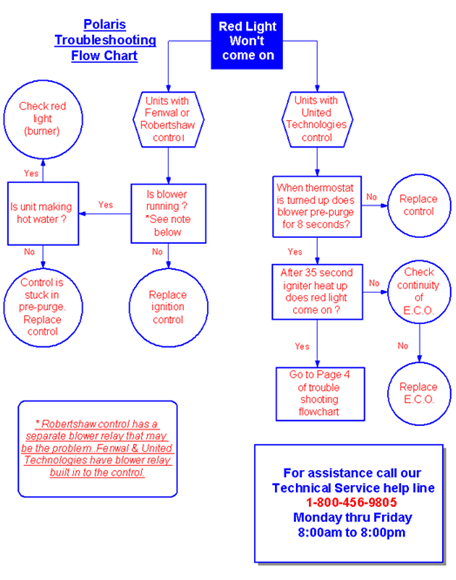
Credit: www.americanwaterheater.com
Maintaining Your Water Heater
Maintaining your gas water heater helps it work longer and better. Regular care prevents problems and saves money. Simple steps keep hot water flowing without issues. Follow these tips to keep your heater in top shape.
Regular Flushing
Flush the tank once a year. This removes sediment that builds up inside. Sediment blocks heat and damages the heater. Use a hose to drain water from the tank. Stop when water runs clear. This keeps the heater efficient and safe.
Checking The Anode Rod
The anode rod stops rust inside the tank. Check it every two years. Remove the rod and look for corrosion. Replace it if it is mostly worn out. A good anode rod extends the heater’s life.
Routine Inspections
Look over your heater often. Check for leaks or rust on the tank. Listen for strange noises like banging or popping. Make sure the pilot light stays on. Catching small issues early avoids big repairs later.
When To Call A Professional
Knowing when to call a professional for gas water heater issues is crucial for safety and proper repair. Some problems require expert knowledge and tools. Attempting complex fixes alone can cause more damage or risk injury. Understanding warning signs helps protect your home and family.
Gas Smell Or Leaks
Smelling gas near your water heater is a serious danger. Do not try to fix gas leaks yourself. Leave the area immediately and call a professional technician. Gas leaks can cause fires or explosions. Prompt professional help is essential to ensure safety.
Persistent Pilot Light Problems
If the pilot light keeps going out, it signals a deeper issue. A faulty thermocouple or gas valve may need replacement. Professionals have the skills to diagnose and fix pilot light problems safely. Repeated attempts to relight the pilot light can waste gas and create hazards.
Complex Repairs
Repairs involving gas lines, valves, or internal parts are complex. These jobs require special tools and knowledge. Professionals follow strict safety codes and regulations. Attempting complex repairs without experience can lead to leaks or system failure. Trust experts to handle difficult fixes for reliable results.
Frequently Asked Questions
Why Is My Gas Water Heater Not Producing Hot Water?
Your gas water heater may lack hot water due to a faulty pilot light, a broken thermostat, or sediment buildup. Check if the pilot light is lit and the thermostat is set correctly. Flushing the tank can also improve heating performance.
How Do I Relight The Pilot Light Safely?
Turn off the gas valve and wait five minutes before relighting. Follow the manufacturer’s instructions carefully, use a long lighter or match, and ensure proper ventilation. If unsure, contact a professional to avoid safety risks.
What Causes Strange Noises In A Gas Water Heater?
Noises often result from sediment accumulation at the tank’s bottom. This causes popping or rumbling sounds during heating. Flushing the tank regularly helps remove sediment, preventing noise and improving heater efficiency.
How Can I Tell If My Gas Water Heater Is Leaking?
Look for water pooling around the heater’s base or damp spots on the floor. Inspect the tank and connections for corrosion or cracks. Early detection prevents damage and helps decide if repair or replacement is needed.
Conclusion
Gas water heater problems can often be fixed with simple steps. Regular checks keep your heater working well. Always watch for leaks, strange noises, or no hot water. Safety matters—turn off gas before any work. Call a professional if problems continue or feel unsafe.
Small fixes save money and avoid big repairs. Stay patient and follow instructions carefully. Your heater will provide warm water when cared for properly. Keep your home comfortable and safe every day.