Is your water heater set just right? Getting the temperature wrong can waste energy, increase bills, or even cause safety risks.
You might not realize how a simple adjustment can make your showers more comfortable and your home more efficient. You’ll discover easy steps to set your water heater temperature perfectly. By the end, you’ll know how to save money, protect your family, and enjoy the ideal hot water every time.
Keep reading to take control of your water heater now!
Why Adjust Water Heater Temperature
Adjusting the water heater temperature is important for many reasons. It helps save energy and reduce bills. It also keeps your family safe from hot water burns. Plus, it can make your water heater last longer. Setting the right temperature is simple and useful.
Energy Savings Benefits
Lowering the water heater temperature cuts energy use. Less energy means lower electricity or gas bills. Heating water at very high temperatures wastes power. A moderate temperature keeps water warm enough without extra cost. This small change can save money every month.
Preventing Scalding Risks
Hot water can cause serious burns quickly. Children and older adults are most at risk. Setting the heater too high increases scalding danger. A safer temperature reduces burns in showers and baths. It protects everyone in the house from accidents.
Extending Heater Lifespan
High water temperatures strain the heater parts. Constant overheating wears out the tank and pipes faster. Lower temperatures reduce wear and tear on the system. This helps avoid repairs and replacement costs. A well-maintained heater lasts many years longer.
Ideal Temperature Settings
Setting the right temperature on your water heater is important. It affects your safety, comfort, and energy use. Too hot can cause burns. Too cold might not kill bacteria. The ideal temperature balances these needs well.
Recommended Temperature Ranges
The U.S. Department of Energy suggests setting water heaters at 120°F (49°C). This temperature is hot enough for most home uses. It helps prevent bacteria like Legionella from growing. It also saves energy compared to higher settings.
Some homes may need a higher setting, up to 140°F (60°C). This is common where dishwasher sanitizing cycles require hotter water. But higher temperatures increase burn risk. Adjust carefully if you choose this range.
Balancing Comfort And Safety
Set the water heater to a safe temperature for your family. Young children and elderly people are more sensitive to hot water. Lower settings reduce the chance of scalding. Test water temperature at taps before use.
Comfort matters too. Water that is too cool can feel unpleasant for showers and baths. Find a middle ground that suits your household’s needs. Regularly check and adjust settings as needed.
Tools Needed For Adjustment
Adjusting the temperature of your water heater requires a few simple tools. These tools help you check and set the right temperature safely and accurately. Having the correct tools makes the process easier and prevents damage to your heater.
Thermometer Types
A thermometer is essential to measure water temperature correctly. A digital thermometer offers quick and clear readings. It shows temperature on a screen, making it easy to read. A dial thermometer works well too. It has a needle that points to the temperature on a dial. Both types help ensure your water heater is set at a safe and comfortable level.
Basic Hand Tools
Basic hand tools are needed to adjust the temperature control on your water heater. A flathead screwdriver is often required to turn the temperature dial. Some heaters may need a Phillips screwdriver instead. You might also need a wrench to access the control panel. These tools are common and easy to find. Using them carefully protects your heater and helps achieve the right temperature.

Credit: www.youtube.com
Step-by-step Temperature Adjustment
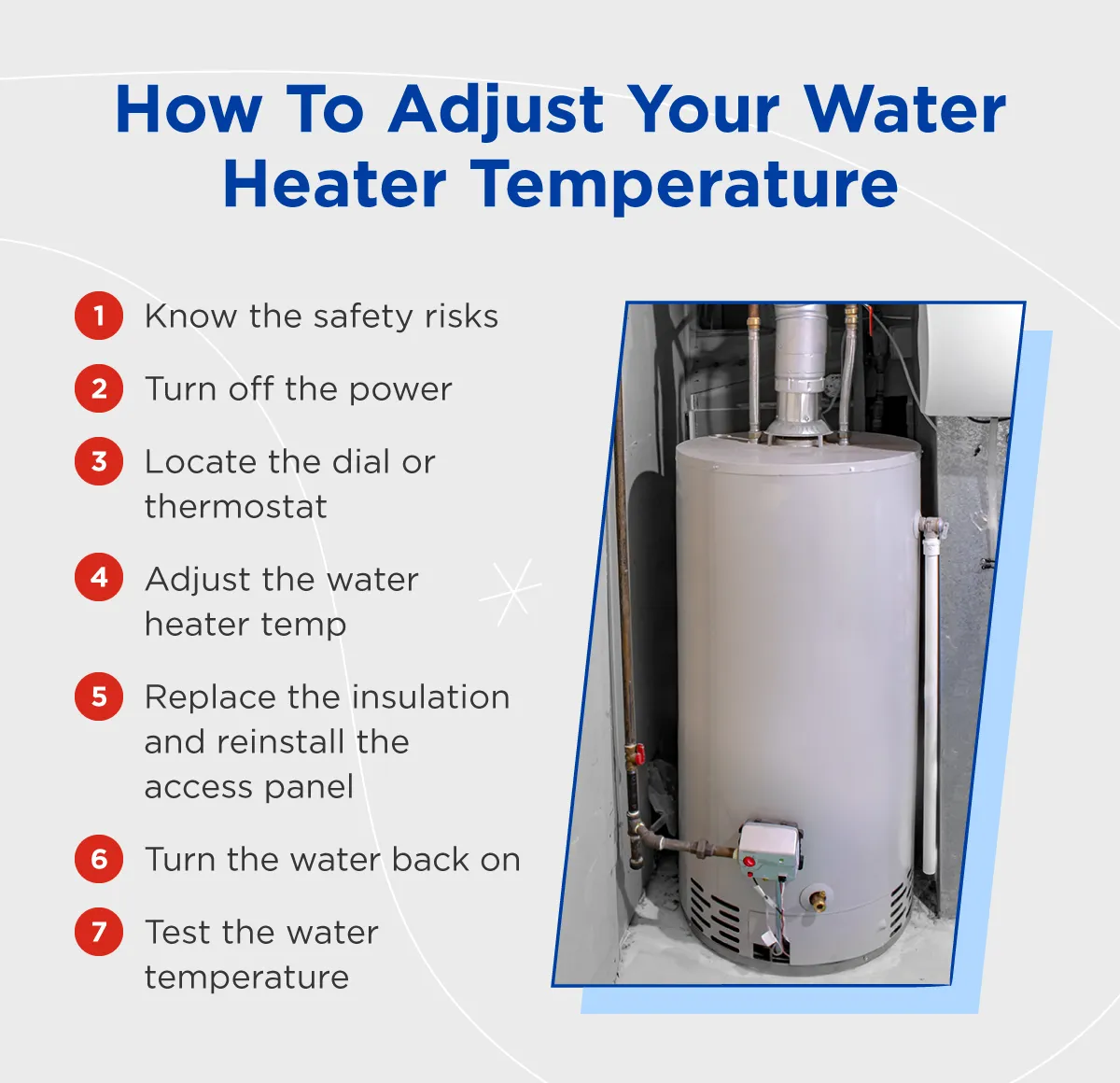
Adjusting the water heater temperature is a simple task that helps save energy and prevents scalding. Follow these clear steps to set the right temperature for your home. This guide covers both gas and electric water heaters.
Locating The Thermostat
First, find the thermostat on your water heater. For gas models, it is usually behind a metal panel near the bottom. Electric heaters often have two panels, one at the top and one at the bottom. Turn off the power before opening these panels. Use a screwdriver to remove the screws carefully.
Adjusting Gas Water Heaters
Gas water heaters have a dial or knob on the thermostat. It may be marked with temperature numbers or settings like “Low,” “Hot,” or “Very Hot.” Turn the dial slowly to the desired temperature. The ideal setting is usually around 120°F (49°C). Avoid setting it too high to prevent burns.
Adjusting Electric Water Heaters
Electric water heaters have two thermostats, one for each heating element. Use a flathead screwdriver to adjust the temperature dial on each thermostat. Set both dials to the same temperature for even heating. Again, 120°F (49°C) is a safe and efficient temperature.
Testing The Water Temperature
After adjusting, wait about 30 minutes for the water to heat. Test the water temperature at a faucet using a thermometer. Run the hot water for a few seconds before measuring. If the water is too hot or cold, adjust the thermostat again and retest.
Troubleshooting Common Issues
Adjusting your water heater temperature should be simple. Sometimes, issues arise after changes. Troubleshooting helps find and fix these problems fast. Understanding common problems can save time and money.
Inconsistent Water Temperature
Water temperature changes too much during use. This problem may come from a faulty thermostat. Sediment build-up inside the tank can also cause uneven heat. Fluctuations in home water pressure might affect temperature. Check the thermostat setting first. Clean the tank to remove sediment. Consider calling a plumber if the issue stays.
No Hot Water After Adjustment
No hot water can be frustrating after changing the temperature. The heater might not have power. Circuit breakers or fuses can trip or blow. The thermostat setting might be too low. A broken heating element could be the cause. Make sure the heater is plugged in and switched on. Reset breakers or replace fuses if needed. Increase the thermostat temperature slowly. Replace faulty parts if necessary.
Thermostat Not Responding
The thermostat may fail to react to changes. This stops the water from heating properly. Loose wiring or damaged controls can cause this. Sometimes, the thermostat itself is broken. Turn off power before inspecting the unit. Look for loose wires or signs of damage. Replace the thermostat if it does not work after checking. Seek professional help for complex repairs.

Credit: smcontinental.com
Maintenance Tips For Optimal Performance
Keeping your water heater in good shape helps it work well for a long time. Simple care steps stop problems and save money. These tips help your heater run smoothly and heat water just right.
Check the heater often and do small jobs to avoid big repairs. This keeps your water warm and safe every day.
Regular Flushing And Cleaning
Flushing removes dirt and minerals from the tank. These build up and lower heater efficiency. Flush the tank once a year to clear the deposits. Use cold water and follow the heater’s guide. This stops rust and keeps water hot faster.
Checking The Anode Rod
The anode rod stops the tank from rusting. Check it every 1-2 years. If it looks worn or thin, replace it. A good rod protects the tank and makes it last longer.
Insulating The Heater And Pipes
Insulate the heater and pipes to keep heat inside. This lowers energy use and cuts bills. Use foam pipe covers and an insulation blanket for the heater. This keeps water hot longer and saves power.
Credit: www.mrrooter.com
Frequently Asked Questions
How Do I Adjust My Water Heater Temperature Safely?
Turn off the power or gas supply first. Locate the thermostat dial on the heater. Use a screwdriver to adjust the temperature to 120°F for safety and efficiency. Turn the power or gas back on after adjustment.
What Is The Ideal Water Heater Temperature Setting?
The ideal setting is 120°F (49°C). It prevents scalding and saves energy. This temperature balances comfort, safety, and energy efficiency in most homes.
Why Is My Water Heater Temperature Too Low?
Low temperature may result from incorrect thermostat settings or sediment buildup. Check the thermostat setting and clean the tank if needed. Also, ensure the heating elements or gas burner function correctly.
Can Adjusting Temperature Save Energy On My Water Heater?
Yes, lowering the temperature to 120°F reduces energy use. Each 10°F reduction can save 3-5% on energy bills. It also extends your water heater’s lifespan by reducing wear.
Conclusion
Setting the right water heater temperature saves energy and money. It also keeps your water safe and comfortable. Avoid very high temperatures to prevent burns. Check your heater regularly to keep it working well. Small changes make a big difference in your daily comfort.
Adjusting the temperature is simple and worth the effort. Keep these tips in mind for a better home.