
Is your water heater tank making noise and driving you crazy? That constant banging, popping, or rumbling sound isn’t just annoying—it could be a sign that your heater needs attention.
Ignoring these noises might lead to bigger problems, higher bills, or even a sudden breakdown. You’ll discover what causes those sounds, how to fix them, and what you can do to keep your water heater running quietly and efficiently. Keep reading—you’ll thank yourself later.

Credit: www.nwfdailynews.com
Common Noises From Water Heaters
Water heaters often make noises that can confuse or worry homeowners. These sounds usually mean the heater needs attention. Knowing the common noises helps to understand what might be wrong. This knowledge can save money and prevent damage.
Rumbling And Popping Sounds
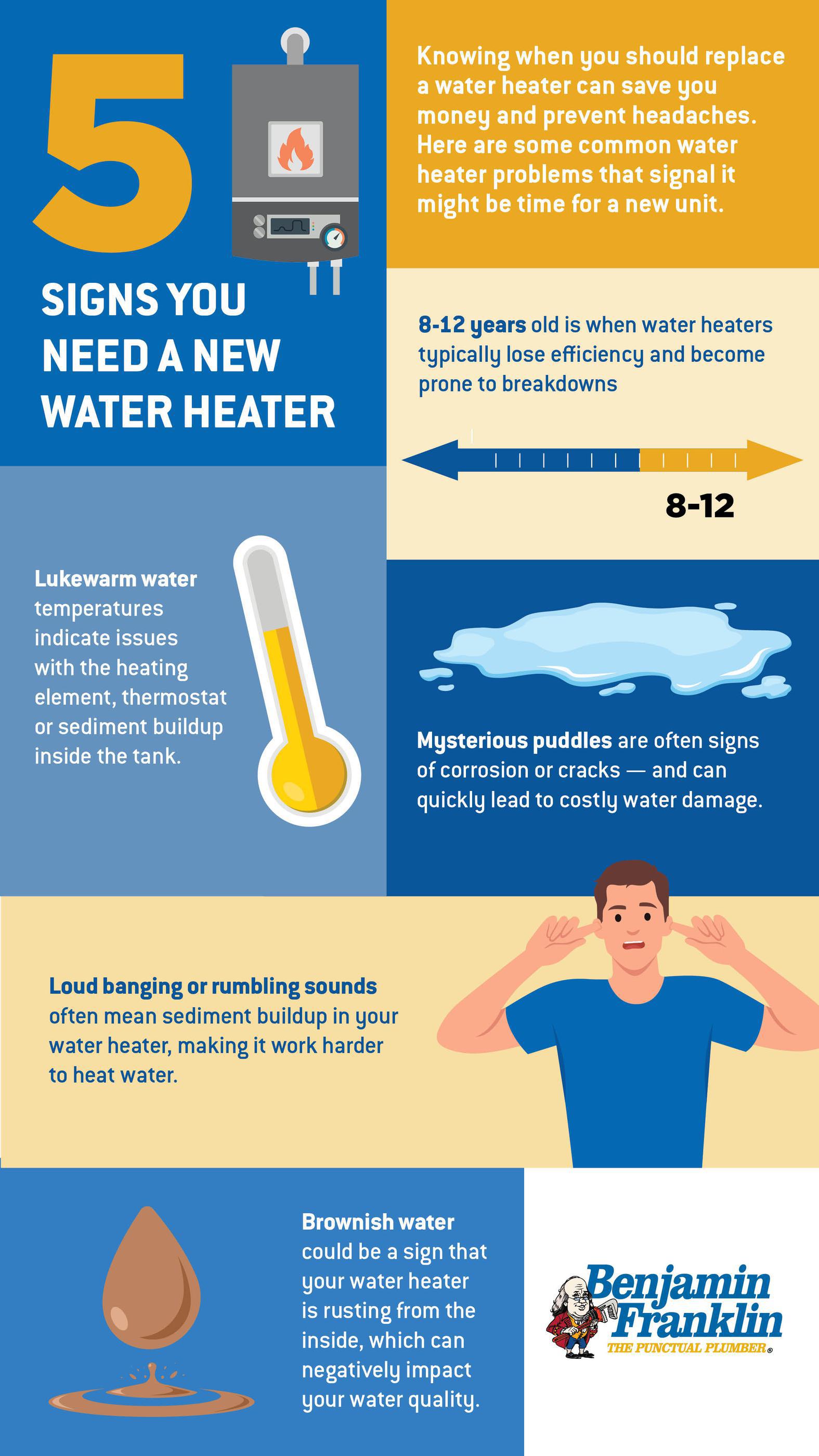
This noise comes from sediment build-up at the tank’s bottom. As water heats, the sediment traps steam bubbles. These bubbles burst, causing popping or rumbling. It can make the tank shake slightly. Flushing the tank often fixes this problem.
Hissing Or Whistling
Hissing or whistling sounds usually mean water is leaking. The leak can happen at valves or pipes. Water moving through small openings makes this noise. Checking for leaks quickly stops further damage.
Knocking Or Banging
Knocking or banging sounds often come from water pipes. Hot water makes pipes expand and hit walls or supports. This is called water hammer. Installing pipe straps or cushions can reduce these noises.
Sizzling Or Tapping
Sizzling sounds happen if water drips onto the heater’s hot parts. Tapping noises may come from mineral deposits inside the tank. Both sounds suggest the heater needs cleaning or repairs. Ignoring these noises could harm the water heater.
Reasons Behind Noisy Water Heaters
Noisy water heaters can disturb your home and signal a problem. Understanding the reasons behind these sounds helps to fix the issue quickly. Some causes are simple and easy to fix, while others may need professional help.
Sediment Buildup
Over time, minerals in water settle at the tank’s bottom. This buildup traps heat and causes popping or rumbling sounds. Sediment reduces the heater’s efficiency and can damage the tank.
Heating Element Issues
Faulty or worn heating elements can create buzzing or humming noises. These parts heat the water, and if they fail, they may overheat or crack. Replacing the element often stops the noise.
Water Pressure Problems
High water pressure creates loud banging or knocking sounds. It strains pipes and the heater. Pressure that is too low can also cause strange noises. A pressure regulator can help balance it.
Loose Components
Vibrations from the heater can loosen screws or bolts. Loose parts rattle and create noise. Tightening these components stops the sound and keeps the heater safe.
Temperature Settings
Setting the temperature too high causes water to boil inside the tank. Boiling water makes popping or hissing sounds. Lowering the temperature reduces noise and saves energy.
Quick Fixes For Noisy Tanks
Noisy water heater tanks often signal small problems. These issues can be fixed quickly without calling a plumber. Simple steps can stop banging, popping, or hissing sounds. Follow these quick fixes to bring back peace and quiet.
Flushing The Tank
Mineral buildup causes noise inside the tank. Flushing removes these deposits. First, turn off the power or gas. Attach a hose to the drain valve. Drain the tank until water runs clear. Flush the tank at least once a year to avoid noise.
Checking And Replacing Elements
Heating elements can wear out or get covered in scale. This causes uneven heating and noise. Turn off the power. Remove the access panel and insulation. Inspect the elements for damage or scale. Replace old or faulty elements to reduce noise.
Adjusting Water Pressure
High water pressure creates loud banging sounds. Check pressure with a gauge. The ideal pressure is between 40 and 60 psi. Lower pressure using the main water valve. Proper pressure helps prevent tank noise and pipe damage.
Tightening Loose Parts
Loose parts inside or outside the tank cause rattling sounds. Check bolts, screws, and fittings. Use a wrench or screwdriver to tighten them. Secure parts will reduce noise and improve tank safety.
Lowering Temperature Settings
High temperatures cause water to boil and make noise. Set the thermostat to 120°F (49°C). This stops overheating and reduces popping sounds. Lower temperature also saves energy and prevents scalding risks.
:max_bytes(150000):strip_icc()/water-heater-problem-making-noises-4103881-hero-c95f2783e8c94bc8972b4918ceca1946.jpg)
Credit: www.thespruce.com
When To Call A Professional
Knowing when to call a professional for your noisy water heater is important. Some noises are normal, but others show a bigger problem. Early help can stop damage and keep your home safe.
Persistent Noise Issues
Strange sounds that do not stop need expert checks. Continuous banging or popping means sediment build-up. A professional can clean and fix these safely.
Signs Of Leak Or Damage
Water around the heater or rust marks are warning signs. Leaks can cause big problems if ignored. Contact a technician to find and repair leaks quickly.
Electrical Concerns
Buzzing noises or tripped breakers point to electrical issues. These are dangerous and need fast action. Only a licensed electrician should handle electrical repairs on water heaters.
Tips To Prevent Noise In Water Heaters
Water heater noises can be annoying and may signal underlying issues. Preventing these sounds improves comfort and extends the heater’s life. Simple steps help keep your water heater quiet and efficient.
Regular Maintenance Schedule
Check your water heater every six months. Drain the tank to remove sediment buildup. Sediment causes popping and rumbling noises. Inspect the anode rod and replace it if needed. Clean the heating element to keep it working well. Regular care reduces noise and prevents damage.
Water Softening Solutions
Hard water creates mineral deposits inside the tank. These deposits cause cracking and noise. Use a water softener to reduce minerals. Soft water protects the tank and heating parts. This simple change lowers noise and extends heater life.
Proper Installation Practices
Correct installation stops many noise problems. Ensure the heater sits on a firm, level surface. Use the right pipe size and fittings. Avoid loose connections that cause banging sounds. Proper setup keeps the system stable and quiet.
Monitoring Temperature Settings
Set the thermostat to 120°F (49°C). Higher temperatures cause excessive pressure and noise. Lower settings reduce stress on the tank. Check the temperature often to avoid overheating. Proper temperature control keeps noises down and saves energy.
Credit: www.dangerfieldsofshakopee.com
Conclusion
A noisy water heater tank can signal a problem inside. Strange sounds often mean sediment build-up or worn parts. Fixing the noise early can save money and trouble. Regular cleaning helps keep your heater quiet and efficient. Don’t ignore unusual noises—they often show the need for care.
Take simple steps to check and maintain your water heater. Quiet, smooth operation means your heater works well and lasts longer. Stay alert to sounds and keep your home comfortable.