
Is your water heater making a strange ringing noise? That constant sound can be more than just annoying—it might be a sign that something isn’t right with your appliance.
You rely on your water heater every day, so when it starts acting up, it can disrupt your comfort and peace of mind. Don’t ignore the noise. Understanding why your water heater is ringing can save you from costly repairs and keep your hot water flowing smoothly.
Keep reading to learn what causes this noise and what you can do about it.
Credit: www.healingwithhorsesranch.org
Common Causes Of Ringing Noise
Ringing noises from your water heater can be annoying and confusing. These sounds often signal common issues inside the unit. Understanding these causes helps you decide the next steps. Fixing the problem early can prevent bigger damage and save money.
Sediment Buildup
Water heaters collect sediment over time. This sediment comes from minerals in the water. It settles at the bottom of the tank. When the heater warms up, the sediment traps heat. This causes popping or ringing sounds. Flushing the tank can remove sediment and stop noise.
Loose Heating Elements
Heating elements can become loose inside the tank. Loose parts vibrate when the heater runs. This vibration creates ringing or buzzing sounds. Tightening or replacing the element usually fixes the issue. Regular checks help keep elements secure.
Water Pressure Issues
High or fluctuating water pressure causes noise in the heater. Pressure changes make pipes and parts vibrate. These vibrations sound like ringing or humming. Adjusting the pressure or installing a pressure reducer helps. It keeps the water flow smooth and quiet.
Faulty Thermostat
The thermostat controls water temperature. A faulty thermostat can cause the heater to overheat. Overheating leads to unusual noises, including ringing. Replacing the thermostat restores proper function. This stops noise and protects the heater.
Scale Deposits
Hard water causes scale to build inside the heater. Scale forms on heating elements and tank walls. It makes the heater work harder and creates noise. Regular cleaning removes scale deposits. This keeps the water heater running quietly and efficiently.
How Sediment Affects Your Heater
Sediment buildup inside a water heater causes many problems. Over time, minerals from water settle at the bottom of the tank. This layer of sediment can affect how well the heater works and cause strange noises. Understanding how sediment impacts your water heater helps you maintain it better.
Impact On Efficiency
Sediment acts like an insulator between the water and the heating element. This reduces heat transfer and slows down water heating. Your heater uses more energy to reach the desired temperature. As a result, your energy bills rise. The heater also wears out faster due to extra effort.
Noise Generation Mechanism
When the heater warms the water, trapped water under the sediment turns to steam. This steam pushes sediment around, creating popping or ringing noises. The sound comes from pressure changes and sediment movement. The more sediment, the louder the noise. These noises warn you about the sediment problem inside.
Quick Fixes For Ringing Sounds
Ringing sounds from a water heater can be annoying. These noises often mean something needs fixing. Quick fixes can stop the ringing fast. They help keep your water heater working well. Try these easy steps to solve the problem.
Flushing The Tank
Mineral buildup inside the tank can cause noise. Flushing the tank removes these deposits. Turn off the heater and water supply first. Attach a hose to the drain valve. Open the valve and drain the tank. Close the valve and refill the tank. This clears sediments and reduces noise.
Tightening Loose Parts
Loose parts can create ringing sounds. Check pipes and connections near the heater. Use a wrench to tighten any loose bolts or nuts. Secure the heater’s mounting brackets too. Tight parts stop vibrations and ringing noises quickly.
Adjusting Water Pressure
High water pressure can cause ringing in pipes. Use a pressure gauge to check the pressure. Ideal pressure is between 40 and 60 psi. Adjust the pressure regulator if needed. Lowering the pressure reduces noise and protects pipes.
Replacing Faulty Components
Damaged parts may cause constant ringing. Common faulty parts include heating elements and valves. Turn off power and water before replacing. Swap out old parts with new ones from a hardware store. New components restore quiet and proper function.

Credit: www.atoutsmarbres.com
Preventive Maintenance Tips
Preventive maintenance helps keep your water heater quiet and efficient. Small steps can stop ringing noises and extend the heater’s life. Follow simple tips to avoid costly repairs and enjoy steady hot water.
Regular Flushing Schedule
Flush the water heater tank at least once a year. Flushing removes sediment that causes noise and reduces heating efficiency. Sediment buildup can trap heat and create ringing sounds. Use a garden hose to drain the tank safely. Regular flushing keeps your water heater working smoothly.
Water Softening Options
Hard water causes mineral buildup inside the tank. Minerals create noise and damage the heater over time. Install a water softener to reduce minerals in your water. Softened water lowers sediment and prevents ringing sounds. This step protects your heater and improves water quality.
Routine Inspections
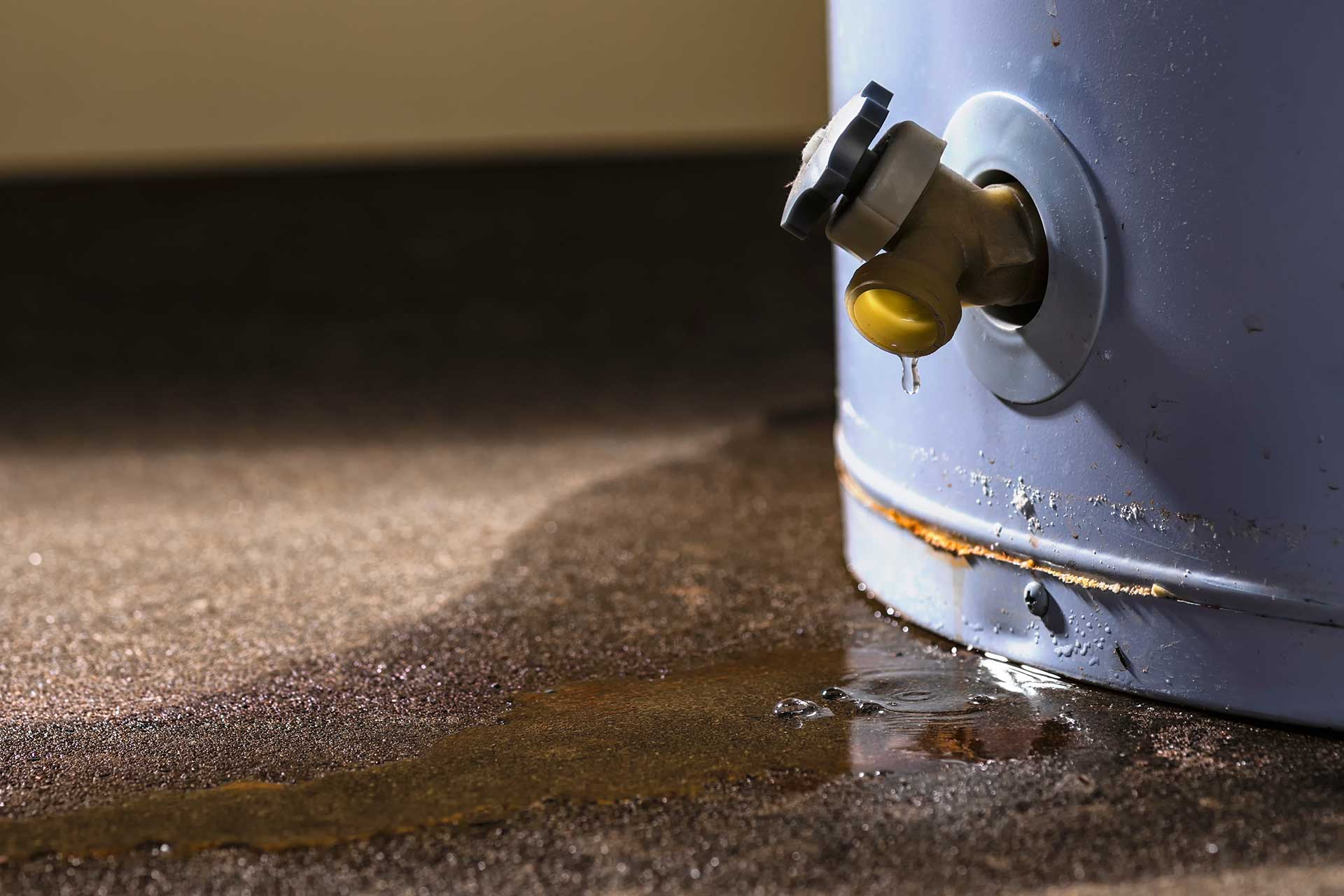
Check your water heater every few months for signs of wear. Look for leaks, rust, or unusual noises early. Tighten loose parts that might cause ringing sounds. Inspect the heating element and thermostat for proper function. Routine checks catch problems before they worsen.
When To Call A Professional
Ringing noises from a water heater can be annoying. Sometimes, these sounds mean small issues. Other times, they signal serious problems. Knowing when to call a professional helps avoid damage and costly repairs. Trusting an expert keeps your home safe and your water heater working well.
Signs Of Serious Problems
Loud or continuous ringing is a warning. Strange smells or leaking water are signs of trouble. A water heater that won’t heat properly needs checking. Flickering pilot lights show gas issues. Any sudden noise change means the unit needs inspection. These signs demand a professional’s attention quickly.
Safety Considerations
Water heaters use gas or electricity. Faulty parts can cause fires or gas leaks. Do not try to fix serious problems alone. Turning off power or gas supply is safest before help arrives. Professionals have tools and training to handle risks. Calling experts protects your home and family.
:max_bytes(150000):strip_icc()/water-heater-problem-making-noises-4103881-06-fdc4d0c7931b45fdab7d820144753c8b.jpg)
Credit: www.genexuk.co.uk
Conclusion
A ringing noise from your water heater is not normal. It could mean there is sediment build-up or a loose part. Ignoring the sound can lead to bigger problems. Regular cleaning and maintenance help keep your heater quiet. Call a professional if the noise stays or worsens.
Taking care of your water heater saves money and stress. Quiet, warm water is worth the effort.