
Have you ever turned on your hot water heater and been hit by a strange smell that reminds you of rotten eggs? That awful odor is not just unpleasant—it could be a sign of a bigger problem lurking in your home.
If you’re wondering why your hot water heater smells like rotten eggs and what you should do about it, you’re in the right place. Keep reading, because understanding the cause and fixing it quickly can protect your health and save you money.
Don’t ignore that smell—your comfort and safety depend on it.
Causes Of Rotten Egg Smell
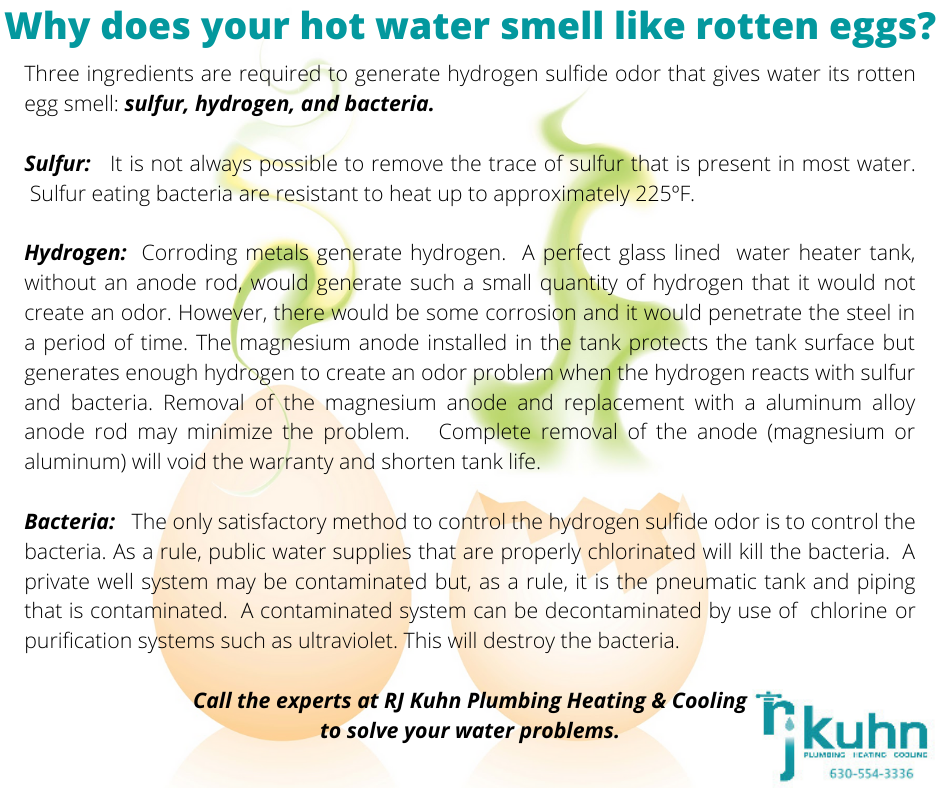
The rotten egg smell from a hot water heater is unpleasant and worrying. This odor usually means something is wrong inside the heater or with the water supply. Understanding the causes helps to fix the issue fast. Several factors can lead to this bad smell. Each cause relates to a different part of the water heater system.
Bacterial Growth In Water Heater
Bacteria can grow inside the water heater tank. Warm water creates a perfect place for bacteria to thrive. Some bacteria produce sulfur compounds that smell like rotten eggs. This problem is common in heaters that keep water at low temperatures. Raising the water temperature can reduce bacterial growth.
Hydrogen Sulfide Gas Formation
Hydrogen sulfide gas causes the rotten egg smell. It forms when sulfur reacts with minerals in water. This gas can build up inside the tank and release through hot water taps. It is harmless in small amounts but smells very strong. Removing the source of sulfur can stop this gas from forming.
Anode Rod Corrosion
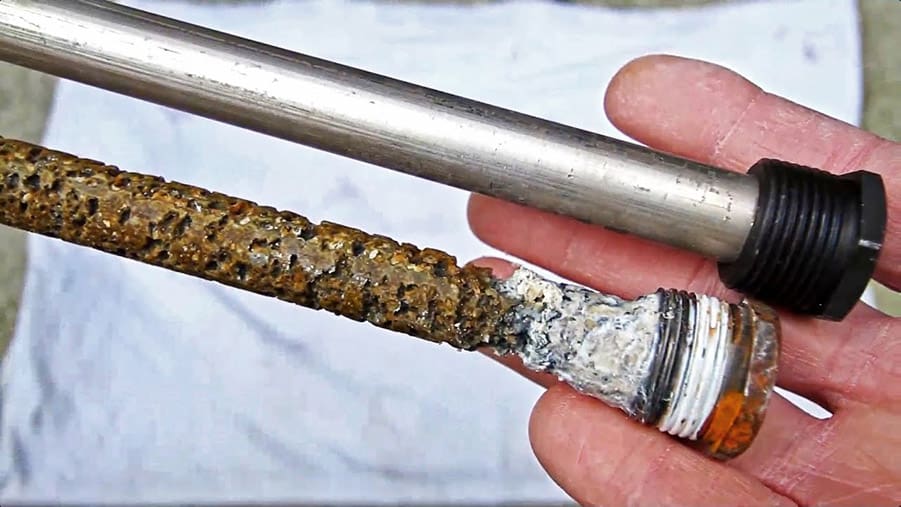
The anode rod protects the water heater tank from rust. Sometimes, the rod reacts with sulfur in the water. This reaction creates hydrogen sulfide gas and causes the bad odor. Changing the anode rod to a different type can fix this problem. Regular checks help prevent corrosion issues.
Contaminated Water Supply
Water coming into the house may already have sulfur or bacteria. This contamination causes the rotten egg smell in hot water. Testing the water supply can reveal if this is the cause. Using a water filter or treatment system can improve water quality.
Credit: www.rjkuhn.com
Immediate Steps To Stop The Smell
Bad smells from your hot water heater need quick action. The rotten egg smell means there is sulfur bacteria in the water. This can be unpleasant and unsafe. Follow these steps to stop the smell fast and keep your water fresh.
Flush The Water Heater
Flushing the tank removes sediment and bacteria buildup. Turn off the power or gas supply first. Attach a hose to the drain valve. Drain some water into a bucket or outside. Open a hot water faucet to let air in. Flush until the water runs clear. This cleans the tank and reduces smell.
Replace The Anode Rod
The anode rod can cause the rotten egg smell if it reacts with bacteria. Turn off the power and water supply. Drain some water to lower the level below the rod. Unscrew and remove the old rod. Install a new rod made of zinc or aluminum. This stops the chemical reaction causing the smell.
Use Water Treatment Solutions
Water treatment products kill sulfur bacteria and clear odors. Add hydrogen peroxide or a specialized cleaner into the tank. Follow the product instructions carefully. Run hot water to spread the treatment. This helps keep the water fresh and odor-free for longer.
Preventive Measures
Preventing the smell of rotten eggs from your hot water heater is possible. Simple steps can keep your water fresh and clean. Taking care of your water heater helps avoid bad odors and keeps your home safe.
Regular Maintenance Schedule
Check your water heater every six months. Flush the tank to remove sediment and bacteria. Inspect the anode rod and replace it if needed. Clean parts prevent buildup and reduce smells. Regular maintenance keeps your heater working well.
Water Heater Temperature Settings
Set your water heater to at least 120°F (49°C). Warm water kills bacteria that cause bad smells. Avoid setting the temperature too low. Too low allows bacteria to grow inside the tank. Proper temperature helps keep water fresh.
Installing Water Filters
Use water filters to remove sulfur and other impurities. Filters improve water taste and smell. Choose filters designed for hydrogen sulfide removal. Install filters on the main water line or near the heater. Clean water means no rotten egg smell.

Credit: www.youtube.com
When To Call A Professional
Knowing when to call a professional for a hot water heater that smells like rotten eggs is important. Some problems can be fixed at home, but others need expert help. Calling a professional can save time and avoid bigger issues.
Here are signs that show it is time to get expert help.
Persistent Odor Issues
If the rotten egg smell stays even after flushing the tank or adding chemicals, call a professional. Persistent odors mean the problem might be deep inside the heater. Experts have tools to find and fix hidden causes.
Complex Repairs Needed
Some fixes are too hard for beginners. Problems like broken anode rods or bacterial growth need special skills. Professionals know how to safely repair or replace parts without causing damage.
Safety Concerns
A rotten egg smell can mean dangerous gases like hydrogen sulfide. These gases can harm health or cause fires. If you feel dizzy or the smell is strong, get professional help right away. Safety must come first.
Credit: premoli-automobiles.com
Conclusion
A rotten egg smell from your water heater means bacteria may be present. This can cause health risks and damage your heater. Check the anode rod and clean the tank regularly. Flushing the heater helps remove buildup and improve water quality.
Call a professional if the smell stays. Taking quick action keeps your water safe and fresh. Don’t ignore the smell—it signals a problem that needs fixing soon. Stay alert and maintain your heater well for clean, odor-free hot water.