
Is your water heater suddenly making a whistling noise? That sharp, high-pitched sound can be annoying and worrying at the same time.
You might wonder if it means your heater is broken or if it’s something you can fix yourself. Understanding why your water heater is making that noise is important—not just to stop the sound but to keep your home safe and your heater running smoothly.
Keep reading, and you’ll discover the common causes of that whistling noise and simple steps you can take to solve the problem before it gets worse.
Common Causes Of Whistling Noise
Whistling noises from a water heater often signal common issues inside the system. Identifying the cause helps prevent damage and restore quiet operation. Several factors can trigger this sound, each related to parts inside or connected to the heater.
Sediment Buildup
Over time, minerals settle at the bottom of the water heater tank. This sediment creates a barrier between the heat source and water. The trapped water boils and escapes as steam, causing a whistling noise. Flushing the tank regularly helps reduce sediment buildup and noise.
Water Pressure Issues
High water pressure can force water through narrow pipes or valves quickly. This fast movement creates a whistling or hissing sound. Checking and adjusting water pressure to recommended levels often stops the noise. Pressure regulators may be needed for consistent flow.
Faulty Temperature And Pressure Valve
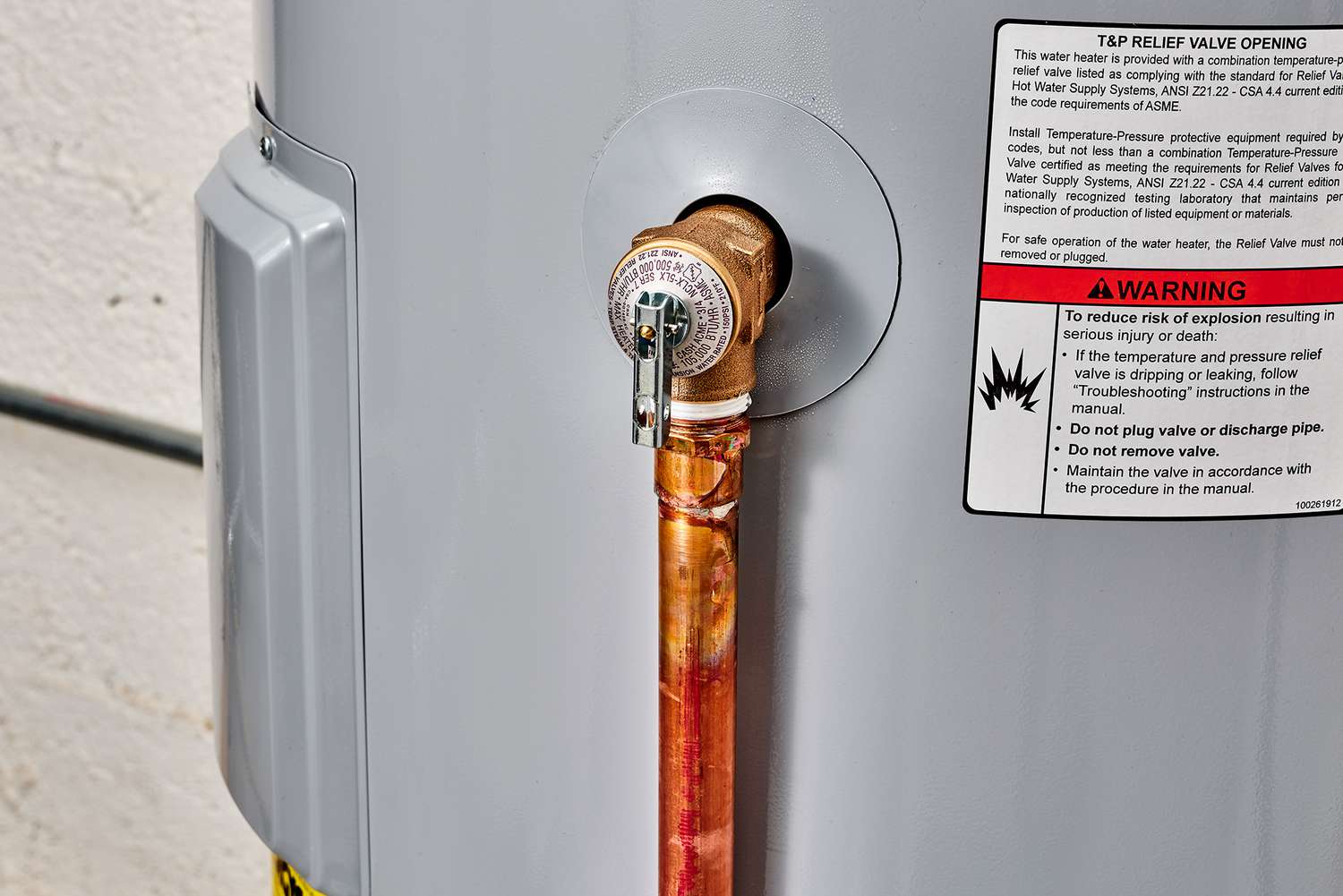
The temperature and pressure (T&P) valve releases excess pressure for safety. A worn or faulty valve may whistle as steam or water escapes. Testing and replacing the valve ensures it works correctly and stops unwanted sounds.
Loose Or Damaged Pipes
Pipes connected to the water heater may become loose or damaged. Vibrations or water flow through these pipes create whistling noises. Tightening or repairing the pipes eliminates the noise and prevents leaks.
Scale Deposits On Heating Element
Mineral deposits can build up on the heating element inside electric water heaters. These scale deposits reduce heat transfer and cause steam pockets. The steam escaping produces a whistling sound. Cleaning or replacing the heating element solves this problem.

Credit: healingwithhorsesranch.org
Identifying The Source Of The Noise
Whistling noises from a water heater can be annoying and worrying. Finding the exact source of the sound helps in fixing the problem quickly. This section guides you through simple steps to identify where the noise comes from. Understanding the cause saves time and money on repairs.
Listening To Different Areas
Start by standing near the water heater. Listen carefully around the tank, pipes, and valves. The whistling may come from the heater itself or the pipes carrying hot water. Check both cold and hot water lines. Move closer to different spots to pinpoint the noise. This helps locate if the issue is inside or outside the heater.
Checking Water Pressure Levels
High water pressure often causes whistling sounds. Use a pressure gauge on the main water line. Normal pressure should be between 40 and 60 psi. If the pressure is too high, it can make pipes whistle. Lowering pressure might stop the noise. Excess pressure stresses the water heater and plumbing system.
Inspecting The Temperature And Pressure Valve
The temperature and pressure (T&P) valve releases pressure if it gets too high. Sometimes, this valve can whistle if it’s faulty or worn out. Look for signs of leaks or rust around the valve. Tap it gently to hear if the sound changes. Replacing a faulty valve can stop the whistling and keep the heater safe.
Simple Fixes For Sediment Buildup
Whistling noises from a water heater often signal sediment buildup. Sediment forms when minerals in water settle at the tank’s bottom. This buildup causes noise and reduces heater efficiency. Simple fixes can clear sediment and stop the whistling sound. These methods keep your water heater working well and extend its life.
Flushing The Water Heater
Flushing removes sediment from the tank’s bottom. Turn off the heater and let it cool. Connect a hose to the drain valve. Open the valve and drain water into a bucket or outside. Close the valve and refill the tank with fresh water. This process clears sediment and stops noise.
Using Water Softening Solutions
Hard water causes sediment buildup in heaters. Water softeners reduce minerals like calcium and magnesium. Install a water softener before your heater. This lowers sediment and prevents whistling sounds. Softened water also protects pipes and appliances from damage.
Adjusting Water Pressure
Water pressure plays a big role in how a water heater works. High pressure can cause a whistling noise. Adjusting the pressure helps reduce or stop this sound. It also protects your water heater from damage. Understanding your home’s water pressure is the first step.
Check the pressure regulator to see if it is working well. This device controls water pressure entering your home. If it is faulty, pressure may be too high. Fixing or replacing the regulator can solve whistling noises.
Checking The Pressure Regulator
Locate the pressure regulator near your main water shutoff valve. Use a pressure gauge to measure water pressure. Normal pressure is between 40 and 60 psi. If the reading is over 80 psi, pressure is too high. Look for signs of wear or leaks on the regulator. Clean or replace it if needed. This simple check can stop your water heater from whistling.
Installing A Pressure-reducing Valve
Sometimes, your home may not have a pressure regulator. Installing a pressure-reducing valve can help. This valve lowers water pressure to a safe level. Hire a plumber to fit the valve near the water main. After installation, test the pressure again. Proper pressure protects your water heater and plumbing. It also keeps your water heater quiet.
Repairing Or Replacing Valves And Pipes
Whistling noises from a water heater often come from valves and pipes. These parts control water flow and pressure. Over time, they can loosen or wear out. Repairing or replacing valves and pipes can stop the noise and improve your heater’s performance. Simple fixes might save you from costly repairs or replacements.
Tightening Loose Pipes
Loose pipes can cause vibrations that lead to whistling sounds. Check all pipe connections near the water heater. Use a wrench to tighten any loose fittings. Be careful not to overtighten, as this can damage the pipes. Tight pipes reduce movement and stop the noise. Regular checks keep your system stable and quiet.
Replacing Faulty Valves
Valves control water flow and pressure in your heater. Worn or damaged valves can cause whistling noises. Look for signs like leaks or cracks around valves. Replace any faulty valves with new ones that fit your system. Installing quality valves ensures smooth water flow. This change can eliminate annoying sounds and improve safety.
Credit: healingwithhorsesranch.org
Preventing Future Whistling Noises
Preventing future whistling noises from your water heater helps keep your home quiet and safe. Whistling sounds often point to small problems that can grow over time. Acting early stops these noises and extends your heater’s life.
Simple steps can make a big difference. Regular care and managing water quality reduce build-up and pressure inside the tank. These actions help avoid the common causes of whistling sounds.
Regular Maintenance Tips
Check your water heater every six months. Flush the tank to remove sediment build-up. Sediment causes pressure and noise. Inspect the pressure relief valve for leaks or wear. Replace worn parts promptly. Clean the air intake and burner area to ensure proper airflow. Keep the temperature setting at 120°F to avoid excessive pressure. Follow the manufacturer’s guide for specific care instructions.
Water Quality Management
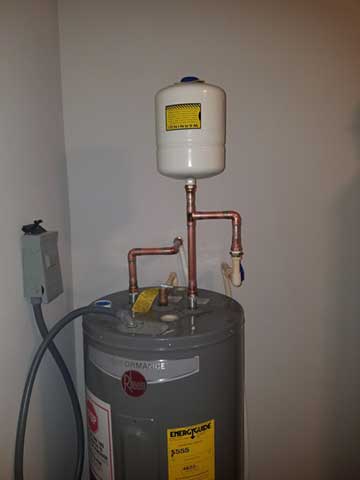
Hard water causes mineral deposits inside the heater. These deposits make whistling noises more likely. Use a water softener to reduce hardness. Test your water quality regularly. Remove minerals to protect your heater and pipes. Soft water extends your heater’s lifespan and improves efficiency. Avoid letting water sit in the tank for long periods. Stagnant water can increase sediment and noise problems.
Credit: healingwithhorsesranch.org
Conclusion
A whistling noise from your water heater signals a problem. It may mean mineral buildup or pressure issues. Fixing it soon prevents bigger damage and saves money. Regular cleaning and maintenance keep your heater quiet and working well. Don’t ignore strange sounds—they often warn you to act.
Simple care helps your water heater last longer. Stay alert to noises and keep your home comfortable.