
Is your water heater making a strange squeaking noise that just won’t go away? That sound can be annoying and might even make you worry about what’s happening inside your unit.
But don’t ignore it—your water heater could be trying to tell you something important. You’ll discover why your water heater squeaks and what simple steps you can take to fix it before it turns into a bigger problem. Keep reading to protect your home and save money on costly repairs.
Credit: salubrista.udea.edu.co
Common Causes Of Squeaking
Squeaking noises from a water heater can be annoying and worrying. Understanding the common causes helps find the right fix fast. Many issues inside the heater can cause these sounds. Identifying the source can save time and money.
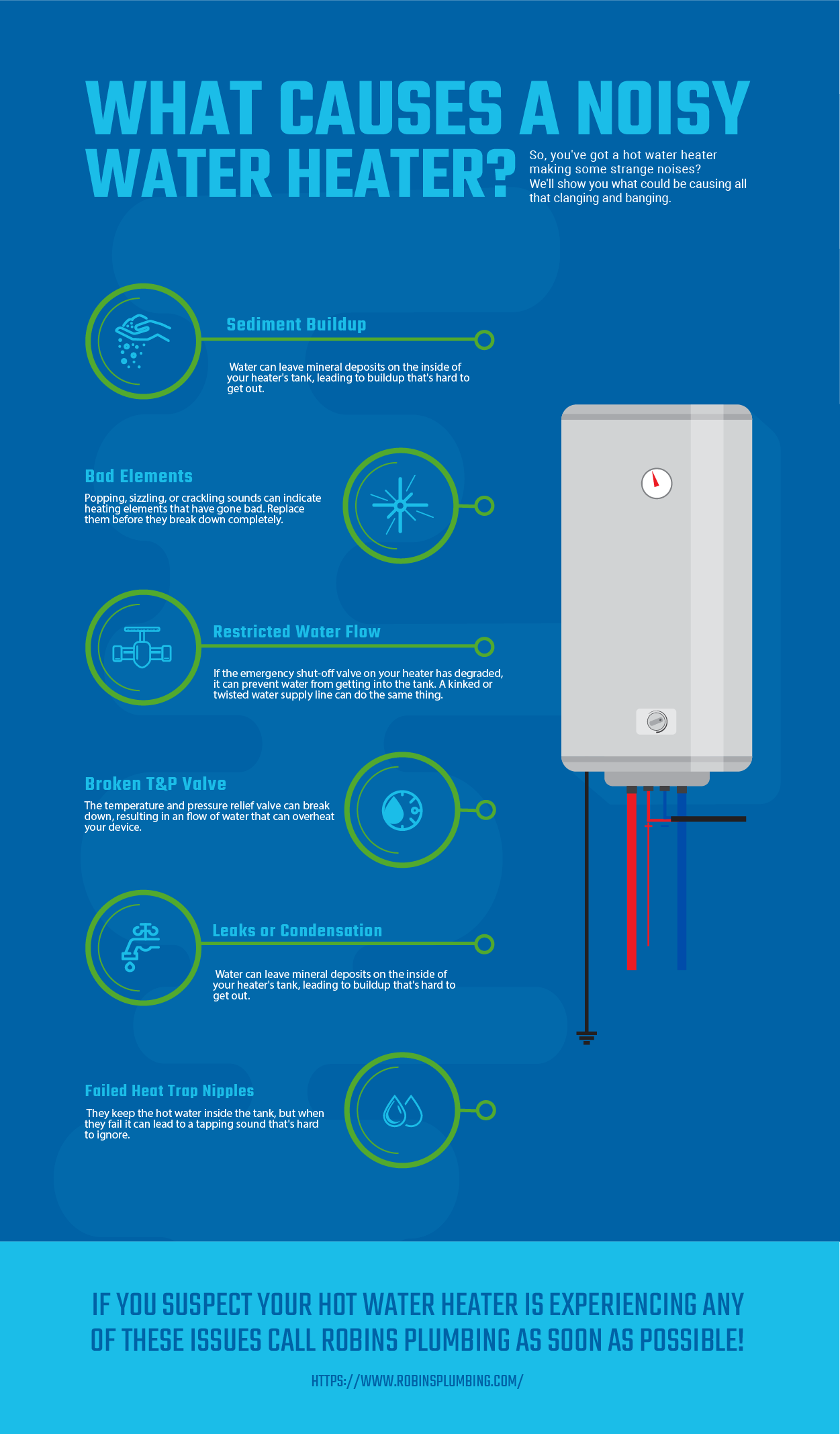
Sediment Buildup
Over time, minerals in water settle at the tank’s bottom. This sediment can trap heat and cause popping or squeaking sounds. The buildup makes the heater work harder and less efficient. Flushing the tank regularly can reduce sediment problems.
Heating Element Issues
Heating elements can wear out or develop scale deposits. This creates uneven heating and strange noises. A damaged element may cause a high-pitched squeak or buzzing sound. Checking and replacing faulty elements keeps the heater quiet and effective.
Pressure Problems
Water pressure that is too high or low affects the heater’s operation. High pressure can cause pipes and valves to vibrate or squeak. Low pressure may lead to irregular heating cycles and noises. Adjusting the pressure ensures smooth and quiet water heating.
Loose Components
Parts inside the heater can loosen over time due to vibrations. Loose screws, bolts, or panels create rattling or squeaking sounds. Tightening these parts stops the noise and prevents further damage. Regular maintenance helps keep all components secure.

Credit: thewave.global
Identifying The Noise Source
Identifying the source of a water heater’s squeaking noise helps fix it fast. The sound may come from different parts. Finding the exact spot saves time and money. Use simple steps to listen and inspect your heater carefully. This guide shows how to spot the noise source safely.
Listening Techniques
Stand close to the water heater. Turn off other noisy appliances. Listen for the squeak sound clearly. Note if the noise happens when water heats or flows. Use your hand to feel vibrations on the tank. This helps locate the noisy area. Repeat the process at different times.
Inspecting The Tank
Check the tank for signs of damage or rust. Look for loose parts or worn insulation. Tap gently on the tank surface. Listen if the noise changes or stops. Watch for water leaks or mineral build-up. These can cause strange sounds. Clean the tank exterior if dusty or dirty.
Checking The Pipes
Follow the pipes connected to the heater. Look for loose brackets or clamps. Tighten any that move or rattle. Notice if the pipes touch walls or other surfaces. This contact can create squeaks. Wrap pipes with foam or cloth to reduce noise. Make sure valves are fully open or closed.
Simple Fixes For Squeaking
Squeaking noises from a water heater can be annoying and worrying. Many causes are simple to fix. Some basic steps can stop the noise quickly. These fixes do not need special tools or skills.
Try these easy methods to make your water heater quiet again. Small actions can save you money and keep your heater working well.
Flushing The Tank
Mineral buildup causes many squeaks. Flushing the tank removes this buildup. Turn off the heater and water supply. Attach a hose to the drain valve. Let the water run until clear. This cleans the tank and stops noise.
Tightening Loose Parts
Loose parts can vibrate and squeak. Check pipes, bolts, and panels for looseness. Use a wrench or screwdriver to tighten them. Secure parts reduce movement and noise. This simple fix often ends squeaking sounds fast.
Replacing Faulty Elements
Heating elements wear out and cause noise. Turn off power to the water heater. Remove the access panel and check the elements. Replace any damaged or worn parts. New elements work quietly and heat water well.
When To Call A Professional
Water heater squeaking noise can be annoying and worrying. Sometimes, the noise is normal. Other times, it signals a bigger problem. Knowing when to call a professional helps protect your home and wallet. This section explains key signs that need expert attention.
Signs Of Serious Damage
Loud or constant squeaking often means serious damage. Rust inside the tank can cause noises. Sediment build-up can overheat parts and make sounds. Leaks or cracks also create unusual noises. If the noise gets worse or changes, call a professional.
Safety Concerns
Water heaters use gas or electricity, both risky if faulty. Strange noises may mean a gas leak or electrical issue. Smells like rotten eggs or burning near the heater need urgent help. A professional can check for safety hazards and fix them.
Cost Considerations
Ignoring noises can lead to bigger problems and higher costs. Small repairs now save money later. Fixing a water heater early avoids full replacement. A pro can give a clear estimate and prevent surprise bills. Timely service keeps your heater working longer.
Preventing Future Squeaks
Stopping your water heater from making squeaking noises saves frustration and repair costs. Small steps keep your heater quiet and efficient for years. Routine care prevents most problems before they start.
Regular Maintenance Tips
Check the water heater regularly for rust or leaks. Flush the tank every six months to remove sediment buildup. Sediment causes noise and lowers heating efficiency. Tighten any loose parts to stop vibrations. Clean the heating element gently if it has mineral deposits.
Water Quality Management
Hard water increases scale buildup inside the heater. Use a water softener to reduce minerals like calcium and magnesium. Soft water protects the tank and heating elements. Test your water quality yearly to catch changes early. Better water quality means less noise and longer heater life.
Upgrading Equipment
Older water heaters often produce more noise due to wear. Consider replacing an old unit if it squeaks a lot. Newer models use better technology to reduce noise and save energy. Look for units with quiet operation features. Upgrading improves comfort and lowers future maintenance needs.
Credit: temperville.com.br
Conclusion
A squeaking water heater can be annoying and may signal issues. Regular maintenance helps keep it running quietly. Flushing the tank removes sediment that causes noise. Checking the heating element can prevent damage. Don’t ignore strange sounds; they warn you early.
Small fixes can save you money and hassle. Stay alert to protect your heater’s life. Quiet, efficient heating makes daily life better. Taking simple steps keeps your water heater sound.