
Is your water heater tank not working when you need it most? There’s nothing more frustrating than turning on the tap and getting cold water instead of a warm, comforting flow.
You rely on your water heater every day, and when it stops, it disrupts your routine and comfort. But don’t worry—this guide will help you understand why your water heater tank isn’t working and what you can do about it right now.
Keep reading to find simple solutions that could save you time, money, and stress.
Common Water Heater Issues
Water heaters often face issues that stop them from working well. These problems cause discomfort and disrupt daily routines. Knowing common water heater issues helps in spotting problems early. It also guides you on what to check or fix.
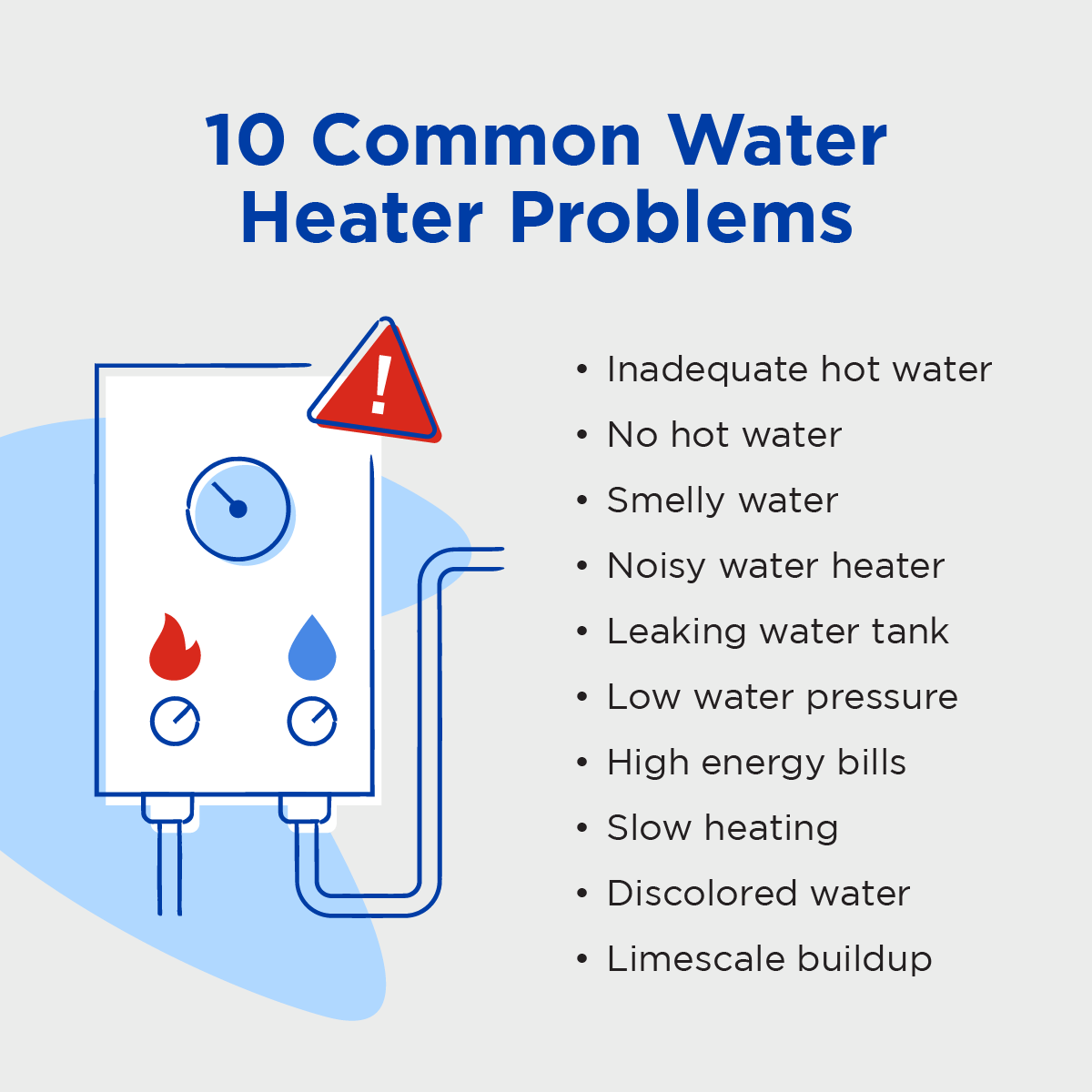
Here are some common problems that water heaters may have. Understanding these issues can save time and money on repairs.
No Hot Water
No hot water is the most obvious sign of a water heater problem. This can happen due to a faulty heating element or a tripped circuit breaker. Sediment buildup inside the tank can also stop water from heating. Sometimes, the pilot light goes out in gas water heaters. Checking these parts can help find the cause quickly.
Inconsistent Temperature
Water that changes temperature suddenly is frustrating. It may feel hot one moment and cold the next. This issue often happens because of a failing thermostat. Another cause is sediment blocking heat transfer in the tank. Sometimes, the dip tube inside the heater breaks. This tube sends cold water to the bottom of the tank. When broken, water mixes and causes uneven heat.
Strange Noises
Unusual sounds from a water heater signal a problem. Rumbling or popping noises come from sediment buildup. Sediment hardens and traps water under it, causing these sounds. Clicking noises may come from heating elements expanding or contracting. Ignoring these sounds can lead to bigger issues. Cleaning the tank and checking parts can stop the noise.
Credit: mrplumberindy.com
Safety First
Safety must always come first when dealing with a water heater tank that is not working. Water heaters use electricity or gas, which can be dangerous if handled incorrectly. Take careful steps to protect yourself and your home before trying any repairs.
Turn Off Power And Water
Start by switching off the power to the water heater. For electric heaters, turn off the circuit breaker. For gas heaters, turn the gas valve to the off position. Next, shut off the water supply to stop any leaks or flooding. This prevents accidents and damage during inspection or repair.
Check For Gas Leaks
Gas leaks can cause fires or explosions. Smell around the heater for any rotten egg odor. Use a soap and water mix on gas connections to spot bubbles, which show leaks. If you detect a leak, do not try to fix it yourself. Leave the area and call a professional immediately.
Simple Fixes To Try
Water heater tanks sometimes stop working due to simple issues. Many problems can be fixed at home without calling a technician. Trying easy solutions first can save time and money.
Below are simple fixes to try before considering a replacement or repair service.
Reset The Heater
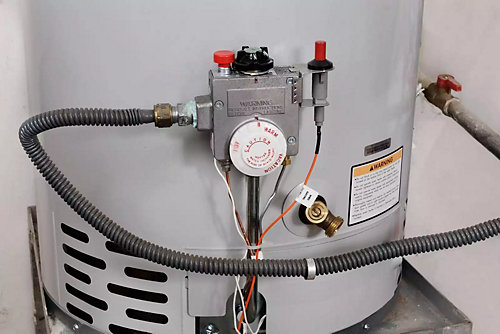
Most water heaters have a reset button. This button often fixes minor electrical problems. Find the reset button on the heater’s thermostat panel. Press it firmly and wait a few minutes. This action can restart the heating system and restore hot water.
Inspect The Thermostat
The thermostat controls the water temperature. Check if it is set too low or turned off. Adjust the thermostat to the recommended temperature, usually around 120°F (49°C). A faulty thermostat may need replacement to heat water properly.
Replace The Heating Element
The heating element warms the water inside the tank. Over time, it can wear out or break. Turn off the power supply before starting. Remove the old element and install a new one matching your heater model. This fix restores the water heater’s ability to heat water efficiently.
Tank Maintenance Tips
Maintaining your water heater tank can prevent many common problems. Regular care helps the tank work efficiently and last longer. Simple maintenance tasks keep your hot water flowing without interruptions.
Flush The Tank
Flushing the tank removes sediment buildup at the bottom. Sediment reduces heating efficiency and can damage the tank. To flush, turn off the heater and let the water cool. Attach a hose to the drain valve and drain the water. Flush until clear water flows out. Do this once a year for best results.
Check The Anode Rod
The anode rod protects the tank from rust. It attracts corrosive elements in the water. Inspect the rod every two years for wear or damage. Replace it if it is less than half an inch thick or coated with rust. This simple step extends the tank’s life.
Insulate The Tank
Insulating your water heater tank keeps water hot longer. This reduces energy use and saves money on bills. Use a water heater insulation blanket. Wrap it around the tank and secure it tightly. Avoid covering the top, bottom, or thermostat. Insulate pipes too for extra heat retention.
When To Call A Professional
Knowing when to call a professional is key if your water heater tank stops working. Some problems need expert care to avoid bigger damage or safety risks. Do not wait too long to get help. Quick action can save money and keep your home safe.
Persistent Problems
If your water heater keeps failing despite simple fixes, call a professional. Repeated leaks, no hot water, or strange noises are signs of deeper issues. Experts can find hidden problems and fix them properly. Avoid guessing or temporary fixes that may worsen the damage.
Electrical Concerns
Water heaters with electrical issues can be dangerous. Flickering lights, tripped breakers, or no power to the heater need expert attention. Electric shocks or fires can happen without proper repair. Only a trained technician should handle electrical parts in your water heater.
Gas Water Heater Issues
Gas water heaters require special care. Smelling gas, unusual odors, or pilot light problems are serious. Gas leaks can cause fires or health hazards. Always call a professional to inspect and repair gas water heaters safely. Do not try to fix gas parts yourself.
Credit: www.mrrooter.com
:max_bytes(150000):strip_icc()/reasons-gas-water-heater-not-working-5212987-hero-fe6b82a59053421c88b7d13ea311d3c5.jpg)
Credit: www.thespruce.com
Frequently Asked Questions
Why Is My Water Heater Tank Not Heating Water?
A water heater tank may not heat due to a faulty thermostat, heating element, or power supply issues. Check for tripped breakers or blown fuses. Sediment buildup can also reduce heating efficiency. Regular maintenance can prevent these problems.
How Do I Reset My Water Heater Tank?
Locate the reset button on the thermostat panel, usually red. Press and hold it for 30 seconds. If it trips again quickly, this indicates an underlying issue needing professional repair. Always turn off power before resetting for safety.
What Causes Water Heater Tank Leaks?
Leaks commonly result from corrosion, loose connections, or a faulty pressure relief valve. Sediment buildup can cause tank damage over time. Inspect the tank and pipes regularly and replace worn parts to avoid water damage and inefficiency.
When Should I Replace My Water Heater Tank?
Replace your tank if it’s over 10-15 years old, leaking, or inefficient. Frequent repairs and inconsistent hot water are signs. Newer models offer better energy efficiency and safety features, saving money in the long run.
Conclusion
A water heater tank not working can cause daily discomfort. Fixing small issues early saves time and money. Always check power supply and thermostat settings first. Regular maintenance helps avoid sudden breakdowns. Call a professional if problems persist or seem complex.
Staying aware of your heater’s condition keeps hot water flowing. Don’t wait until cold showers become the norm. Simple care and quick action make a big difference. Keep your water heater running smoothly for your comfort.