
Have you ever wondered why your shower water sometimes feels too hot or too cold, even when your water heater is set just right? The secret lies in a small but powerful device called a mixing valve.
Understanding what a mixing valve on a water heater does can save you from uncomfortable surprises and even protect your family from burns. You’ll discover how this simple component controls water temperature, why it matters for your home’s safety, and how it can improve your daily comfort.
Keep reading to unlock the key to perfect water temperature every time you turn on the tap.
Mixing Valve Basics
A mixing valve is a small but important part of a water heater system. It controls the water temperature before it reaches your taps. This helps keep the water safe and comfortable for daily use. Understanding the basics of mixing valves can help you maintain your water heater better and avoid problems.
The mixing valve mixes hot water from the heater with cold water. This process lowers the water temperature to a safe level. Without it, water might be too hot and cause burns. Mixing valves also help save energy by using less hot water.
Purpose And Function
The main purpose of a mixing valve is to control water temperature. It stops water from getting too hot at the faucet. This protects people from scalding accidents. It also balances water pressure in the pipes.
Mixing valves work by blending hot and cold water. They adjust the mix based on the set temperature. This keeps the water steady and safe for use. Some valves react quickly to temperature changes. This makes your water comfortable every time you turn on the tap.
Types Of Mixing Valves
There are different types of mixing valves for water heaters. The most common type is the thermostatic mixing valve. It senses water temperature and adjusts the mix automatically.
Another type is the manual mixing valve. You set the water temperature by hand. This type is simple but needs more attention.
Pressure balancing valves also exist. They keep water pressure steady to avoid sudden temperature spikes. Each type suits different needs and water systems. Choosing the right one improves safety and comfort.
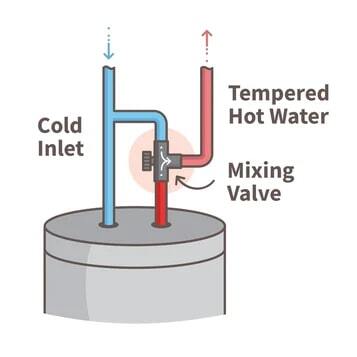
Credit: www.ecicomfort.com
Importance For Water Heaters
A mixing valve plays a key role in water heaters. It helps control the water temperature, making it safer and more comfortable. Without a mixing valve, water from the heater can be too hot. This can cause burns or damage plumbing. Mixing valves keep the water at a stable temperature. They protect your home and improve the water heater’s performance.
Temperature Regulation
The mixing valve blends hot water with cold water. This keeps the water temperature steady. It stops sudden changes that can happen when you use water. Steady temperature means less risk of scalding. It also saves energy by avoiding overheating. The valve helps the water heater work better and last longer.
Safety Benefits
Mixing valves prevent water from becoming too hot. Hot water can cause serious burns, especially for children and elderly. The valve reduces this risk by controlling heat. It also stops damage to pipes from very hot water. This makes your home safer and protects your plumbing system. Safety is a big reason to use a mixing valve on your water heater.
How Mixing Valves Work
A mixing valve controls water temperature by blending hot and cold water. It ensures water comes out at a safe and comfortable level. This device helps prevent scalding and saves energy. Understanding how mixing valves work reveals their role in home safety and comfort.
Cold And Hot Water Mixing
The mixing valve has two water inputs: hot and cold. Inside, it blends both water flows to reach a set temperature. This process balances the heat, avoiding water that is too hot or too cold. The valve sends the mixed water through your pipes to taps and showers.
Adjusting Temperature Settings
Users can adjust the valve to change the water temperature. Turning a dial or screw shifts the ratio of hot to cold water. This adjustment controls how warm the water feels. It helps keep water at a safe temperature for daily use.
Installation Tips
Installing a mixing valve on your water heater improves safety and comfort. Proper installation ensures the valve works well and lasts longer. Follow simple tips to avoid common problems and get the best performance.
Placement Recommendations
Place the mixing valve near the water heater’s outlet. This allows quick mixing of hot and cold water. Keep it close to the heater to control temperature accurately. Avoid placing the valve too far from the heater. It may cause temperature changes and delays.
Install the valve where it is easy to reach. You will need to adjust or maintain it sometimes. Make sure the location is dry and protected from freezing. Frost can damage the valve and cause leaks.
Common Installation Mistakes
Do not skip flushing the pipes before installation. Dirt and debris can block the valve. Always check the valve’s direction. Installing it backwards stops proper water flow. Avoid using the wrong pipe size. It can reduce water pressure and damage the valve.
Never connect the valve to water without a shut-off valve nearby. This makes future repairs easier. Do not ignore the manufacturer’s instructions. Each valve has unique requirements for best results.
Maintenance And Troubleshooting
Maintaining and troubleshooting a mixing valve on a water heater is important for safety and comfort. A well-kept valve helps keep water at a safe temperature. This prevents burns and protects your plumbing system. Small issues can cause big problems if ignored. Regular care saves money and avoids repairs.
Regular Inspection
Check the mixing valve every few months. Look for leaks or rust around the valve. Make sure the water temperature matches your settings. Use a thermometer to test water at the tap. Clean any dirt or debris near the valve. Tighten loose parts carefully. Regular checks keep the valve working well.
Fixing Common Issues
Low water temperature may mean the valve is stuck. Adjust the valve screw to increase heat. If water is too hot, lower the setting. Leaks often come from worn seals or connections. Replace damaged seals to stop leaks. Sometimes, mineral buildup blocks the valve. Flush the valve with vinegar or a cleaner. If problems continue, call a plumber for help.
Energy Efficiency Impact
The mixing valve on a water heater plays a key role in saving energy. It controls the water temperature by mixing hot water with cold water. This process helps avoid heating water more than needed.
Using a mixing valve can lower energy bills. It reduces the amount of hot water wasted. The valve keeps water at a safe and steady temperature.
Reducing Energy Waste
The mixing valve stops overheating water. Without it, water heaters often run longer than necessary. This extra heating wastes energy and increases costs. The valve mixes cold water to cool the hot water down. This reduces the need to reheat water.
Less reheating means less energy used. It also cuts down on wear and tear for the water heater. This helps the system last longer and work better.
Enhancing Heater Performance
The valve helps the water heater work efficiently. It keeps water at a steady temperature. This balance means the heater does not overwork. The water heater uses energy only when needed.
Stable temperatures reduce the chances of overheating. This protects the heater parts and prevents damage. The result is a smoother and longer-lasting performance. It also keeps your water comfortable and safe.
Choosing The Right Valve
Choosing the right mixing valve is important for safe and efficient hot water use. The right valve controls water temperature to prevent burns and damage. Picking a valve that fits your water heater well helps it work better and last longer. Consider some key points before buying a mixing valve.
Compatibility With Water Heaters
Check if the mixing valve fits your water heater model. Different heaters have different sizes and connection types. A valve must match the heater’s flow rate and pressure. Using a wrong valve can cause leaks or poor temperature control. Always verify the valve’s specifications with your heater’s manual.
Material And Quality Considerations
Choose valves made from durable materials like brass or stainless steel. These resist rust and corrosion over time. Avoid cheap plastic valves, as they can break or wear out fast. Good quality valves ensure safe hot water and reduce maintenance needs. Look for valves with certifications for safety and reliability.
Credit: drmostafaorthopedics.com
Credit: everestkitchennc.com
Frequently Asked Questions
What Is The Purpose Of A Mixing Valve On A Water Heater?
A mixing valve blends hot and cold water to ensure safe, consistent water temperature. It prevents scalding by controlling heat output. This valve improves comfort and safety in water heating systems.
How Does A Mixing Valve Improve Water Heater Safety?
It regulates water temperature, avoiding dangerously hot water. The valve mixes cold water with hot water to keep temperatures safe. This reduces burn risks, especially in homes with children or elderly.
Can A Mixing Valve Save Energy On Water Heating?
Yes, by maintaining optimal water temperature, it reduces overheating. This prevents wasted energy and lowers utility bills. Efficient temperature control helps your water heater work smarter, not harder.
Where Is A Mixing Valve Installed On A Water Heater?
It is usually installed on the hot water outlet pipe. This location allows it to mix hot water with cold before distribution. Proper placement ensures effective temperature regulation throughout the home.
Conclusion
A mixing valve keeps water heater temperatures safe and steady. It blends hot and cold water to stop burns. This small device protects your family and saves energy. Installing one improves comfort in showers and sinks. Regular checks help the valve work well over time.
Understanding this part helps you maintain your water system. Simple and effective—a mixing valve matters more than you think.