
Is your water heater giving off a bad smell every time you turn on the tap? That unpleasant odor can make simple tasks like showering or washing dishes less enjoyable.
You might wonder what’s causing the smell and how to fix it quickly. The good news is, you don’t have to live with it or call a costly plumber right away. You’ll discover easy and effective ways to remove that bad smell from your water heater.
By the end, your water will smell fresh and clean again, making your home feel more comfortable and inviting. Keep reading to learn the simple steps you can take today!
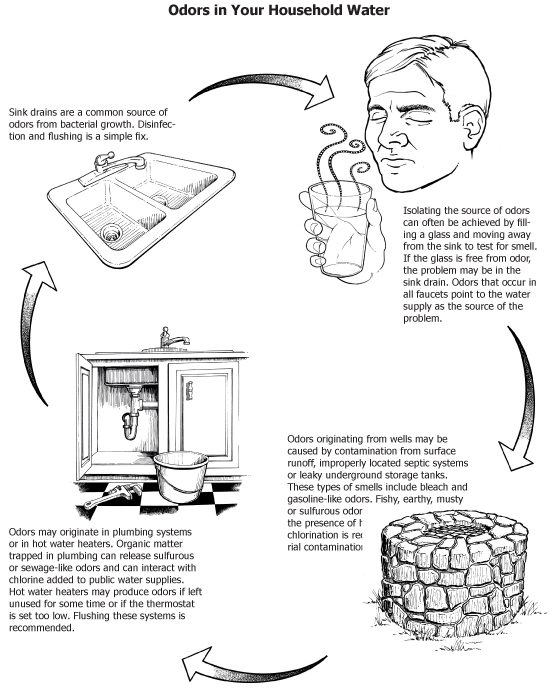
Credit: fieldreport.caes.uga.edu
Causes Of Bad Smell In Water Heaters
Bad smells from a water heater can be unpleasant and worrying. Understanding the causes helps to fix the problem quickly. Several factors inside the heater or in the water can lead to these bad odors. Knowing these causes can guide proper cleaning and maintenance.
Bacterial Growth
Bacteria can grow inside the water heater tank. Warm water creates a perfect place for bacteria to multiply. Some bacteria produce gases that smell like rotten eggs. This is a common cause of bad odors in water heaters.
Sediment Buildup
Mineral deposits and dirt settle at the tank bottom. Sediment traps bacteria and creates a bad smell. It also reduces the heater’s efficiency. Regular flushing can prevent sediment buildup and odors.
Corroded Anode Rod
The anode rod protects the tank from rust. Over time, it can corrode and cause smells. A corroded rod reacts with water and creates sulfur-like odors. Replacing the rod helps stop the bad smell.
Water Source Contaminants
Sometimes, the problem comes from the water supply. Contaminants like sulfur or minerals can cause odors. These smells enter the heater and spread through hot water. Testing the water can identify source issues.
Signs Of Smelly Water Heater
Noticing a bad smell from your water heater is a clear sign of a problem. These odors often point to issues inside the tank or the water itself. Recognizing these signs early can help you fix the problem fast and avoid bigger damage.
Rotten Egg Odor
A strong rotten egg smell means hydrogen sulfide gas is present. This gas forms when bacteria react with the water heater’s anode rod. The smell is unpleasant and can make water unsafe for use. It usually shows up in hot water only, not cold.
Discolored Water
Water that looks yellow, brown, or rusty is a bad sign. This discoloration often comes from rust inside the water heater tank. It means the tank is corroding and needs attention. Using discolored water can stain clothes and dishes.
Metallic Taste
A metallic taste in water suggests metal parts inside the heater are wearing out. It can happen when the tank lining breaks down or if the anode rod is damaged. This taste makes water unpleasant to drink or cook with.
Safety Precautions Before Cleaning
Cleaning a water heater to remove bad smells requires safety first. Taking simple steps can prevent accidents. Always prepare properly before starting any cleaning work.
Safety helps avoid electric shocks, burns, or water damage. Follow these essential precautions before cleaning your water heater.
Turn Off Power Supply
Cut the power to the water heater. For electric heaters, switch off the circuit breaker. For gas heaters, turn off the gas valve. This step stops any risk of electric shock or fire.
Shut Off Water Valve
Close the cold water valve that feeds the heater. This prevents water from flowing into the tank during cleaning. It also stops leaks and flooding in your home.
Wear Protective Gear
Use gloves and safety glasses to protect your hands and eyes. Some cleaning agents can irritate skin or eyes. Wearing gear keeps you safe from chemicals and hot water.
Flushing The Water Heater
Flushing the water heater is a key step to remove bad smells. Sediment and bacteria build-up cause odors. Flushing cleans the tank and improves water quality. It also helps your heater work better and last longer. Follow these steps to flush your water heater safely and effectively.
Draining The Tank
Turn off the heater’s power or gas supply first. Close the cold water valve that feeds the tank. Attach a garden hose to the drain valve at the bottom. Place the hose in a safe drainage area. Open the drain valve to let water flow out. Be careful; water might be hot. Drain the tank completely for best results.
Removing Sediment
After draining, open the cold water valve briefly. This helps flush out leftover sediment inside. Let the water run until it looks clear. Repeat draining and flushing if water remains dirty. Sediment causes bad smells and damages your heater. Removing it keeps water fresh and your heater safe.
Refilling And Testing
Close the drain valve securely. Open the cold water valve to refill the tank. Keep the hot water faucet open to release trapped air. When water flows steadily, close the faucet. Turn the power or gas supply back on. Check for leaks and strange smells. Your water heater should now smell clean and work well.
Replacing The Anode Rod
Replacing the anode rod can help stop bad smells in your water heater. The anode rod protects the tank from rust and corrosion. Over time, it wears out and needs to be changed. A new rod keeps the water fresh and clean.
Identifying The Anode Rod
The anode rod is a metal rod inside the water heater. It is usually on the top or side of the tank. It looks like a long screw or pipe. You might need a flashlight to see it clearly. Signs of a worn rod include rust and a strong smell from the water.
Choosing The Right Replacement
Pick an anode rod that fits your water heater model. Common materials are magnesium, aluminum, or zinc. Magnesium works best for soft water. Aluminum is good for hard water areas. Zinc helps reduce sulfur smells. Check your heater manual for the right size and type.
Installation Steps
Turn off the water heater and let the water cool. Shut off the water supply to the heater. Use a wrench to unscrew the old anode rod. Clean the area around the opening. Insert the new rod carefully and tighten it. Turn on the water and power to the heater. Check for leaks and proper function.

Credit: www.youtube.com
Disinfecting With Hydrogen Peroxide
Disinfecting a water heater with hydrogen peroxide is an effective way to remove bad smells. It kills bacteria and breaks down harmful substances inside the tank. This method is safe and environmentally friendly compared to harsh chemicals.
Using hydrogen peroxide helps keep your water fresh and clean. It also prevents future odor problems by cleaning the tank thoroughly. Follow the steps below to do it right and safely.
Preparing The Solution
Start by mixing hydrogen peroxide with water. Use a 3% hydrogen peroxide solution, which is common and easy to find. Mix one part hydrogen peroxide with four parts water. Stir gently to combine well. Always prepare this solution in a clean container before use.
Application Process
Turn off the water heater and close the cold water valve. Drain some water to lower the water level in the tank. Pour the hydrogen peroxide solution into the tank through the anode rod opening or a clean funnel. Let it sit for 1 to 2 hours. This gives time for the peroxide to kill bacteria and neutralize odors.
Rinsing And Safety Tips
After soaking, flush the tank with fresh water to remove the solution and loosened debris. Open the drain valve and run cold water through the tank until the water runs clear. Avoid mixing hydrogen peroxide with other chemicals. Wear gloves and eye protection during the process. Keep the area well ventilated for safety.
Preventing Future Odors
Preventing bad smells from your water heater helps keep your water fresh and clean. Taking simple steps stops odor from coming back. This saves time and keeps your home more comfortable.
Regular Maintenance Schedule
Check your water heater every six months. Flush the tank to remove sediment build-up. Sediment can cause bacteria that create bad smells. Replace the anode rod if it looks worn. The rod protects the tank and stops odors.
Water Softening Options
Hard water can cause odor problems. Using a water softener reduces minerals in the water. Soft water lowers sediment and bacteria growth. Choose a softener that fits your home size. Test water hardness to find the right softener.
Temperature Settings
Set your water heater to 120°F (49°C). This temperature kills bacteria but saves energy. Too low temperature allows bacteria growth, causing smells. Avoid setting it too high to prevent burns and save power.
Credit: www.soquelcreekwater.org
When To Call A Professional
Knowing when to call a professional can save time and avoid bigger problems. Some water heater issues need expert help to fix safely and correctly. Watch for signs that the problem is beyond simple home fixes. Ignoring these signs can cause damage or health risks.
Persistent Odors
Bad smells that stay after cleaning need professional attention. Persistent odors may mean bacteria or sediment inside the heater. Experts can inspect and treat these issues thoroughly. They have tools to clean and flush the system properly.
Complex Repairs
Fixing broken parts or electrical issues requires skill and experience. Water heaters have delicate components that can break easily. Professionals know how to handle complex repairs without causing damage. Attempting these fixes alone can lead to costly mistakes.
Safety Concerns
Gas leaks, electrical faults, or water leaks create safety risks. A professional can check for dangers and fix them safely. They follow safety rules and use proper equipment. Protect your home and family by calling an expert when needed.
Frequently Asked Questions
How Do I Remove Bad Smell From My Water Heater?
Flush the tank regularly to remove sediment buildup. Replace the anode rod with a zinc or aluminum one. Clean the tank with a mixture of water and hydrogen peroxide or vinegar to eliminate odors.
Why Does My Water Heater Smell Like Rotten Eggs?
The smell is caused by bacteria reacting with the anode rod. Sulfur bacteria produce hydrogen sulfide gas, which causes the odor. Replacing the anode rod or sanitizing the tank can fix the problem.
Can Flushing The Water Heater Fix Bad Smells?
Yes, flushing removes sediment and bacteria that cause odors. It helps improve water quality and heater efficiency. Regular flushing every 6-12 months is recommended to prevent bad smells.
What Type Of Anode Rod Prevents Water Heater Odor?
Zinc or aluminum/zinc alloy anode rods help reduce sulfur bacteria growth. These rods do not react with bacteria like magnesium rods do. Installing one can minimize the rotten egg smell.
Conclusion
Removing bad smells from your water heater is easier than it seems. Regular cleaning helps keep water fresh and safe. Check the anode rod and flush the tank often. Small steps prevent odors and improve water quality. Clean water means a healthier home and better showers.
Take action now to enjoy clean, odor-free hot water daily. Simple care keeps your water heater working well for years.