
Is your gas water heater not working in cold weather? You’re not alone, and this problem can be frustrating, especially when you need hot water the most.
Imagine stepping into a cold shower or struggling to wash dishes without warm water—it’s more than just an inconvenience. But don’t worry, understanding why this happens and how to fix it can save you time, money, and stress. Keep reading to discover simple solutions that will get your water heater back up and running, so you never have to face freezing cold water again.
:max_bytes(150000):strip_icc()/how-to-fix-leaking-water-heater-2719073-03-4d9caacdae994b5f813091a154d005ee.jpg)
Credit: stahlfabrik.com.br
Common Cold Weather Issues
Cold weather brings special challenges for gas water heaters. Low temperatures can cause parts to freeze or work harder than usual. These problems reduce heater efficiency and may stop hot water flow. Understanding common cold weather issues helps you spot trouble early. This lets you fix problems before they get worse.
How Cold Affects Gas Water Heaters
Cold air makes the water inside pipes and the heater very cold. This causes the water heater to use more energy to heat water. Freezing temperatures can cause pipes to freeze and burst. The pilot light may go out because of cold drafts. Condensation can build up and damage heater parts. Cold weather also slows down the gas flow, reducing heating power.
Signs Of Heater Problems In Winter
Water takes longer to heat or stays cold. Strange noises come from the heater, like banging or popping. The pilot light keeps going out or won’t stay lit. Water pressure drops suddenly or feels weak. Frost or ice appears on pipes near the heater. You notice a strong gas smell around the unit.
Credit: vidaprev.com.br
Safety Precautions
Safety is very important when dealing with a gas water heater that stops working in cold weather. Cold can cause problems that might lead to dangerous situations. Taking the right safety steps helps protect your home and family. Always follow these precautions before trying any fixes.
Gas leaks and electrical risks can cause fires or explosions. Knowing how to safely turn off your heater and check for leaks can prevent accidents. Safety should always be your top priority.
Shutting Off Gas And Power
Start by turning off the gas supply to the water heater. Locate the gas valve near the heater and turn it clockwise to close it. This stops the flow of gas and lowers the risk of leaks.
Next, switch off the power supply. Unplug the heater or turn off the circuit breaker. This prevents electrical shocks or shorts while working on the unit.
Checking For Gas Leaks
Smell for gas near the heater. A rotten egg or sulfur smell means a leak. Never ignore this odor. If you smell gas, open windows and leave the area immediately.
Use soapy water on gas connections to find leaks. Bubbles will appear if gas escapes. Do not light any flames if you see bubbles. Call a professional to fix the problem.
Basic Troubleshooting Steps
Gas water heaters may stop working properly in cold weather. Basic troubleshooting helps find simple problems fast. These steps can save time and avoid calling a technician.
Check the pilot light first. It needs to be on for the heater to work. Then, reset the thermostat to make sure it is set right. Lastly, verify the gas supply is steady and open. These checks cover most common issues.
Inspecting The Pilot Light
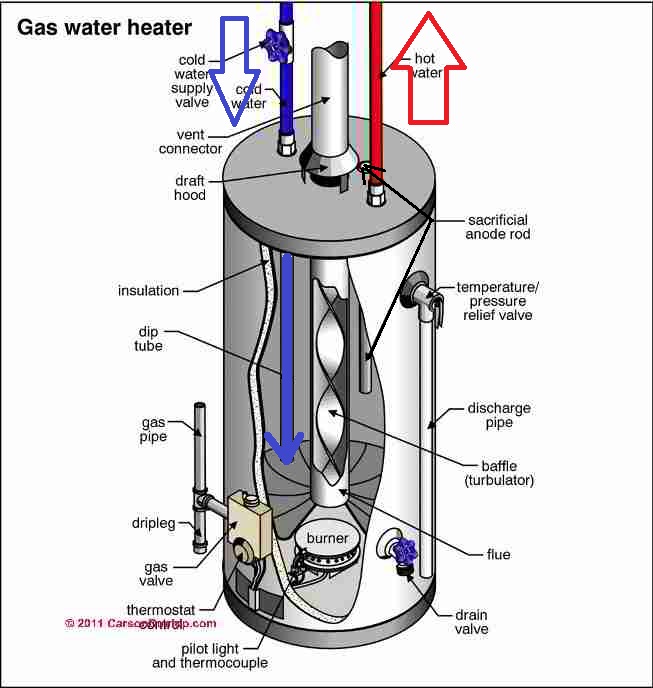
The pilot light is a small flame that ignites the gas. Look through the viewing window to see if it is lit. If the flame is off, try lighting it with a match or lighter. Follow safety rules and the heater’s manual. A weak or flickering flame may need cleaning or repair.
Resetting The Thermostat
The thermostat controls water temperature. Cold weather can cause it to drop or glitch. Turn the thermostat off and wait a few minutes. Then, set it back to the desired temperature. Make sure it is not set too low for cold days. This step often fixes minor temperature problems.
Checking The Gas Supply
Gas must flow freely for the heater to work. Check the gas valve near the heater. It should be fully open. If you smell gas, turn off the supply and call for help. Make sure the gas meter is active and not frozen. Cold weather can sometimes block or slow gas flow.

Credit: www.rpmsondaj.com.tr
Fixing Common Problems
Gas water heaters can stop working well during cold weather. This happens because cold air and moisture affect the parts inside. Fixing common problems can bring your heater back to life quickly. Here are some easy steps to try before calling a professional.
These fixes are simple and often solve the problem fast. You can check and repair your heater safely with basic tools.
Relighting The Pilot
The pilot light may go out in cold weather. Without it, the heater cannot warm water. Find the pilot light knob on your heater. Turn it to “off” and wait five minutes. Then, turn the knob to “pilot” and press it down. Use a long lighter or match to light the pilot. Hold the knob for 30 seconds after lighting. If the flame stays on, turn the knob to “on.” If it goes out, try again or check other parts.
Replacing Faulty Thermocouples
The thermocouple senses the pilot light’s flame. It tells the gas valve to stay open. A broken thermocouple shuts off the gas for safety. Test it by gently pushing the thermocouple near the pilot flame. If the flame goes out, the thermocouple may be bad. Turn off the gas and remove the old thermocouple. Buy a replacement that fits your heater model. Install the new one carefully and relight the pilot. This usually fixes the problem.
Clearing Blocked Vents
Blocked vents stop gas heaters from working right. Cold weather can cause ice or debris to block vents. Check outside vents for snow, ice, or leaves. Clear any blockage using gloves and a brush. Inside, check the vent pipe for dust or dirt. Clean it with a vacuum or cloth. Proper airflow helps the heater burn gas safely and warm water fast.
Preventive Measures For Winter
Winter cold can cause many problems for gas water heaters. Taking steps before the cold hits helps keep your heater working well. These simple measures protect your heater and pipes from freezing and damage. A little care now saves big repairs later.
Insulating Pipes And Heater
Wrap pipes with foam or cloth insulation to stop freezing. Cold pipes can burst and cause leaks. Insulate the water heater tank too. Use an insulation blanket made for heaters. This keeps heat inside and saves energy. Insulation helps your system run smoothly in cold weather.
Maintaining Proper Ventilation
Gas heaters need fresh air to burn fuel safely. Make sure vents are clear from snow or debris. Blocked vents cause dangerous gas buildup. Check vents outside and inside your home. Proper airflow prevents carbon monoxide risks. Keep vents open but protected from wind and snow.
Regular Maintenance Tips
Schedule yearly check-ups for your gas water heater. Clean the burner and pilot light area. Check for leaks or rust on pipes and tank. Replace worn parts quickly to avoid breakdowns. Flush the tank to remove sediment build-up. Regular care extends heater life and keeps hot water flowing.
When To Call A Professional
Knowing when to call a professional for a gas water heater not working in cold weather is important. Some problems need expert help to keep you safe and warm. Do not wait too long to get help. Early action can prevent bigger damage and higher costs.
Signs Of Serious Malfunctions
Look for strange smells near the heater. Gas leaks can be dangerous and need immediate attention. If the pilot light keeps going out, this shows a deeper issue. Water that is too cold or too hot is also a warning sign. Strange noises like banging or popping mean parts may be failing. Any sign of rust or water leaks around the unit means trouble.
Avoiding Diy Risks
Trying to fix gas water heaters can be risky. Gas leaks and carbon monoxide are hidden dangers. Wrong repairs can cause fires or explosions. Professionals have the right tools and training. They follow safety rules and local codes. Calling a pro saves time and keeps your home safe. Do not risk your health or safety with DIY fixes.
Frequently Asked Questions
Why Is My Gas Water Heater Not Working In Cold Weather?
Cold weather can cause pilot light failure or frozen pipes. Low gas pressure and thermostat issues also affect performance. Regular maintenance and insulation help prevent these problems.
How To Prevent Gas Water Heater Freezing In Winter?
Insulate pipes and the heater tank with foam sleeves or blankets. Keep a slow water drip to avoid freezing. Ensure proper ventilation and check for leaks regularly.
Can Cold Weather Damage My Gas Water Heater?
Yes, freezing temperatures can crack pipes and damage the tank. It may also affect the thermostat and pilot light. Proper insulation and maintenance reduce this risk significantly.
What To Do If Gas Water Heater Pilot Light Won’t Stay Lit?
Check for drafts, dirty burners, or faulty thermocouples. Clean the pilot assembly and ensure proper gas flow. If issues persist, call a professional technician for repair.
Conclusion
A gas water heater not working in cold weather can cause big trouble. Checking the pilot light and gas supply helps find simple fixes. Keeping the heater insulated protects it from freezing temperatures. Regular maintenance avoids many common problems. Quick action saves time and keeps your water warm.
Staying safe is always the top priority. Small steps make a big difference during cold months. Don’t wait for issues to grow; act early and stay comfortable.