
Is your hot water heater flame won’t stay lit? It can be frustrating when you turn on your heater, only to find it flickering out repeatedly.
Without a steady flame, you’re left without hot water when you need it most. But don’t worry—this problem is more common than you think, and there are simple reasons behind it. You’ll discover why your heater’s flame keeps dying and what you can do to fix it fast.
Keep reading to get your hot water flowing smoothly again!

Credit: www.youtube.com
Common Causes Of Flame Issues
Hot water heater flames that won’t stay lit cause frustration and disrupt daily routines. Understanding common causes helps fix the problem faster. Several parts can lead to flame issues. These parts often need cleaning, repair, or replacement.
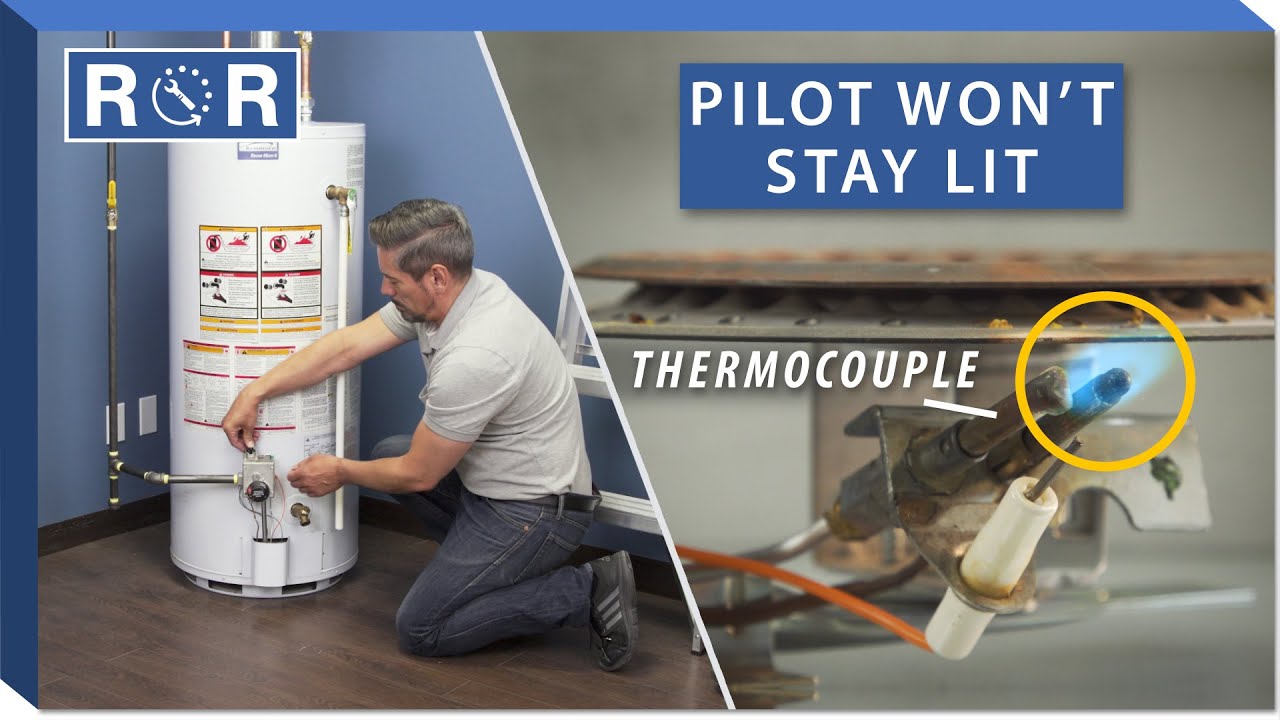
Thermocouple Problems
The thermocouple senses the flame and controls gas flow. A damaged or dirty thermocouple stops gas supply. This causes the flame to go out quickly. Regular checks and cleaning keep it working well.
Pilot Light Blockages
Dirt and debris can block the pilot light. This stops the flame from lighting or staying lit. Cleaning the pilot light area often solves this issue. Clear blockages help maintain a steady flame.
Gas Supply Interruptions
Gas supply issues cause the flame to flicker or go out. Low gas pressure or supply cuts affect the heater. Check gas valves and lines for any closures or leaks. A steady gas flow is essential for flame stability.
Faulty Gas Valve
The gas valve controls gas flow to the burner. A faulty valve may close too soon or not open fully. This causes the flame to die out. Repairing or replacing the valve restores proper flame function.

Credit: www.acehiplumbing.com
Safety Precautions Before Repairs
Working on a hot water heater can be risky without proper safety steps. Flames and gas leaks can cause serious harm. Taking safety measures before repairs keeps you safe and prevents accidents. Follow these key precautions to handle your hot water heater safely.
Turning Off Gas Supply
Stop the gas supply before starting any repair. Locate the gas valve near the heater. Turn the valve clockwise to close it. This stops gas flow and lowers fire risk. Double-check the valve is fully closed. Never work on the heater with gas running.
Ensuring Proper Ventilation
Good airflow is vital during repairs. Open windows and doors to let fresh air in. This removes harmful fumes and gas. Avoid closed spaces that trap gas or smoke. Ventilation lowers the chance of breathing problems or explosions.
Using Protective Gear
Wear safety gear to protect yourself. Use gloves to avoid burns and cuts. Safety glasses shield your eyes from sparks or debris. Long sleeves and pants protect your skin. Proper gear reduces injury risks during repairs.
Quick Fixes To Relight The Flame
When the hot water heater flame won’t stay lit, quick fixes can help restore warmth fast. These simple steps often solve common problems. They save time and avoid costly repairs. Follow easy methods to relight the flame safely. Check basic parts that may block the flame or shut off the gas. Small adjustments can make a big difference in your heater’s performance.
Cleaning The Pilot Light
Dirt and dust can block the pilot light. Turn off the gas before cleaning. Use a soft brush or compressed air to clear debris. Clean the pilot tube gently. This helps the flame stay lit longer. A clean pilot light burns stronger and more stable.
Adjusting The Thermocouple
The thermocouple senses heat and controls gas flow. If misaligned, it may shut off the gas too soon. Loosen the thermocouple’s mounting nut slightly. Move the tip closer to the pilot flame. Tighten the nut back carefully. This adjustment helps keep the gas valve open. It ensures the flame stays lit steadily.
Resetting The Gas Valve
Gas valves sometimes need a reset to work right. Turn off the gas supply. Wait a few minutes for safety. Turn the gas valve back on slowly. Press the reset button if your model has one. This action restarts the gas flow and pilot flame. It often fixes minor gas valve glitches quickly.
When To Replace Components
Knowing when to replace parts of your hot water heater helps keep it safe and working well. Some parts wear out over time. Others may fail suddenly. Replacing these parts stops bigger problems and saves money.
Check the main parts that affect the flame. Watch for signs that show they need replacement. This guide helps you understand which parts to check and when to act.
Signs Of A Worn Thermocouple
The thermocouple senses the flame and keeps the gas on. If it wears out, the flame goes out often. You may hear clicking sounds or see the pilot light flicker. The water heater may shut off unexpectedly. These are signs the thermocouple needs replacing.
Detecting A Faulty Gas Valve
The gas valve controls gas flow to the burner. A faulty valve stops gas from reaching the flame. Watch for weak or no flame. The water heater may not heat water properly. You might smell gas but see no flame. These signs mean the gas valve may be bad.
Choosing Replacement Parts
Select parts made for your heater model. Check the part number on your old component. Use parts from trusted brands only. Avoid cheap, generic parts that may fail fast. Proper parts ensure safety and long life for your heater.
Preventive Maintenance Tips
Preventive maintenance helps keep your hot water heater working well. It stops problems before they start. A well-maintained heater lasts longer and uses less energy. Follow these simple steps to avoid the flame going out.
Regular Cleaning Schedule
Clean your hot water heater regularly. Dirt and dust can block the burner. This makes the flame weak or stop. Use a soft brush or vacuum to clean the area. Keep vents and air openings clear of debris. Cleaning every few months helps the heater run smoothly.
Checking For Gas Leaks
Check for gas leaks often. A leak can cause the flame to go out. Use soapy water on gas connections to find bubbles. If you see bubbles, there is a leak. Turn off the gas and call a professional immediately. Safe gas lines keep your heater working and your home safe.
Professional Inspection Frequency
Have a professional inspect your heater once a year. They check parts you cannot see. Experts find small problems early. They clean burners, check gas pressure, and test safety devices. Annual inspections keep your heater reliable and safe all year.
Credit: www.dentalhousecr.com
Frequently Asked Questions
Why Won’t My Hot Water Heater Flame Stay Lit?
The flame may not stay lit due to a faulty thermocouple, dirty pilot tube, or gas supply issues. Check these components for damage or blockage to restore proper function.
How Do I Fix A Hot Water Heater Pilot Light?
First, turn off the gas and wait for the heater to cool. Clean the pilot tube and thermocouple, then relight the pilot following the manufacturer’s instructions.
Can A Dirty Thermocouple Cause Flame Issues?
Yes, a dirty or faulty thermocouple can prevent the flame from staying lit. Cleaning or replacing it often resolves the problem and ensures safe operation.
What Causes Frequent Pilot Light Outages?
Frequent outages can result from drafts, gas pressure problems, or a worn thermocouple. Regular maintenance and inspection help prevent these issues.
Conclusion
A hot water heater flame that won’t stay lit needs quick attention. Check the pilot light and thermocouple first. These parts often cause the problem. Cleaning or replacing them can help. Safety matters most. If unsure, call a professional for help.
Regular maintenance keeps your heater working well. Don’t wait until cold showers start. A steady flame means warm water and peace of mind. Stay safe and keep your home comfortable.