
Have you ever noticed rust-colored water coming from your taps or strange noises coming from your water heater? These could be signs of water heater corrosion problems that might be silently damaging your system.
If you don’t catch corrosion early, it can lead to costly repairs or even a full replacement. You’ll discover what causes corrosion, how to spot the warning signs, and what steps you can take to protect your water heater. Keep reading to save your heater—and your wallet.
Common Signs Of Corrosion
Corrosion is a common problem in water heaters. It damages the tank and pipes, causing leaks and poor water quality. Spotting corrosion early helps avoid costly repairs. Watch for clear signs that show your water heater may have corrosion issues.
Rusty Water Output
Rusty water coming from your taps signals corrosion inside the tank. The rust mixes with water, turning it red or brown. This affects water taste and safety. Rusty water means the tank’s metal is breaking down.
Discolored Tank Interior
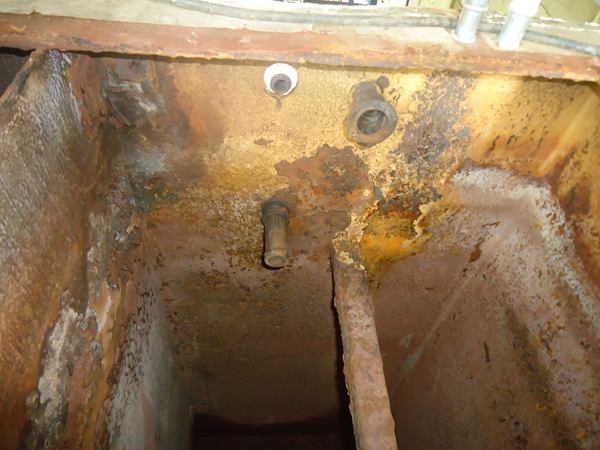
Open the water heater and check the inside. A healthy tank has a clean, smooth surface. Corrosion causes dark spots or rust patches inside the tank. This damage weakens the tank and shortens its life.
Unusual Noises
Listen for strange sounds from your water heater. Popping, banging, or rumbling noises often mean corrosion inside. Sediment and rust buildup cause these sounds. They show the tank is struggling and may fail soon.
Leaks And Moisture
Corrosion eats through the tank metal, causing leaks. Look for water pooling or damp spots near the heater. Even small leaks show serious tank damage. Moisture around the heater is a warning sign of corrosion.

Credit: www.reddit.com
Causes Of Water Heater Corrosion
Water heater corrosion is a common problem that can cause leaks and reduce the appliance’s life. Understanding the causes helps prevent damage. Corrosion happens when metal parts react with water and other substances inside the tank. Several factors contribute to this process.
Electrochemical Reactions
Corrosion starts with electrochemical reactions inside the water heater. Metal parts act like tiny batteries. These reactions cause metal to dissolve into the water. This weakens the tank and other components over time.
Water Quality Factors
The quality of water affects corrosion speed. Hard water with minerals like calcium and magnesium causes scale build-up. Acidic or low pH water eats away metal faster. Chlorine and other chemicals in water also increase corrosion risk.
Age And Wear
Older water heaters face more corrosion issues. Metal parts wear down from years of use. Protective coatings may crack or peel. This leaves metal exposed to water and speeds corrosion.
Poor Maintenance
Skipping regular maintenance leads to corrosion problems. Sediment builds up at the tank’s bottom. This traps moisture and causes rust. Failing to replace the anode rod removes a key corrosion protector.
Effective Solutions For Corrosion
Corrosion in water heaters causes damage and reduces their life. Effective solutions help protect your heater and save money. These methods stop rust and keep your water clean and safe.
Replacing Anode Rods
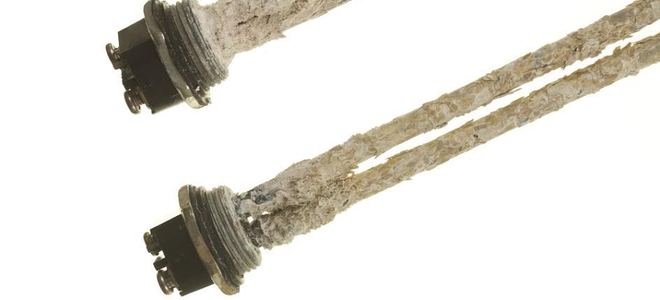
Anode rods protect the tank from rust by attracting corrosion. Over time, these rods wear out and need replacement. Changing the anode rod every few years helps prevent tank damage. It is an easy and cost-effective way to extend your heater’s life.
Flushing The Tank
Flushing removes sediment that causes corrosion and lowers efficiency. Sediment builds up at the tank’s bottom, trapping moisture and causing rust. Draining and flushing the tank yearly keeps it clean and working well. This simple step improves water quality and prevents damage.
Applying Protective Coatings
Protective coatings stop rust from forming on the tank’s inside surface. These coatings create a barrier against water and oxygen. Applying a coating can extend the water heater’s lifespan. It works best on new tanks or after cleaning the inside.
Tank Replacement Options
Severe corrosion may require replacing the entire tank. Choose tanks made of corrosion-resistant materials for longer use. Consider models with advanced anode rods or stainless steel tanks. Replacing an old heater ensures safety and better performance.
Credit: www.doityourself.com
Preventive Measures To Extend Lifespan
Taking steps to prevent water heater corrosion can greatly extend its lifespan. Small actions can stop rust and damage before they start. Careful maintenance keeps your water heater running longer and more efficiently. This saves money on repairs and early replacements.
Regular Inspection Routine
Check your water heater at least twice a year. Look for rust spots or leaks around the tank. Listen for unusual noises that might mean sediment buildup. Inspect the anode rod, which protects the tank from rust. Replace it every few years to keep corrosion away.
Water Softening Techniques
Hard water speeds up corrosion inside your heater. Use a water softener to reduce minerals like calcium and magnesium. Soft water lowers sediment build-up and prevents rust. This simple step helps your heater last longer and work better.
Maintaining Proper Temperature
Set your water heater temperature to 120°F (49°C). Higher heat increases corrosion and energy use. Lower temperatures reduce wear on the tank and pipes. Safe and efficient. Keeps your water heater in good shape for years.
Professional Servicing Tips
Hire a professional to service your water heater yearly. They clean out sediment, check valves, and test safety features. Experts spot problems early and fix them fast. Regular service stops corrosion and extends your heater’s life.
Credit: www.covac.co.uk
Frequently Asked Questions
What Causes Water Heater Corrosion Problems?
Water heater corrosion usually occurs due to rust forming inside the tank. It is caused by water and metal reacting over time. Poor maintenance and sediment buildup also increase corrosion risk. Corrosion can lead to leaks, reduced efficiency, and eventual heater failure.
How Can I Prevent Water Heater Corrosion?
Regular maintenance is key to preventing corrosion. Flush the tank annually to remove sediment. Replace the anode rod every few years as it protects the tank metal. Use water softeners if your water is hard. These steps extend your heater’s life.
What Are Signs Of A Corroded Water Heater?
Common signs include rusty water, strange noises, leaks, and reduced hot water supply. You may also notice discoloration around the heater or tank damage. Early detection helps avoid costly repairs or replacements.
Can Corrosion Damage My Water Heater’s Efficiency?
Yes, corrosion damages the tank and heating elements. It reduces heat transfer efficiency and increases energy consumption. Over time, it can cause the heater to fail completely, leading to higher energy bills and discomfort.
Conclusion
Water heater corrosion can cause serious damage over time. Regular checks help spot rust and leaks early. Replacing worn parts keeps your heater working well. Using corrosion-resistant materials can extend its life. Small actions prevent costly repairs later. Stay alert to any strange noises or smells.
Protect your heater to save money and hassle. Taking care now means warm water later. Simple steps make a big difference for your home.