
Are you ready to enjoy warm showers on your next RV trip without any hassle? Installing a Suburban RV water heater can make all the difference in your comfort while on the road.
Whether you’re upgrading an old system or setting up a new one, getting the installation right is key to reliable hot water whenever you need it. In this guide, you’ll discover simple steps and expert tips that will save you time and avoid common mistakes.
Keep reading to learn how to make your RV feel more like home with a properly installed Suburban water heater.
Choosing The Right Water Heater
Choosing the right water heater for your suburban RV is essential for comfort and convenience. The perfect heater provides hot water quickly and uses energy efficiently. It must fit your RV’s space and meet your daily needs. This guide helps you understand key factors before buying.
Types Of Suburban Rv Water Heaters
Suburban offers several water heater types for RVs. Tank water heaters store hot water ready to use. Tankless models heat water only when needed, saving space and energy. Each type suits different travel styles and water use habits. Pick one that matches your routine.
Size And Capacity Considerations
The water heater’s size matters a lot. Small tanks hold less water but heat faster. Larger tanks provide more hot water but take longer to heat. Consider how many people use hot water daily. Choose a size that fits your RV space and hot water needs.
Energy Sources: Gas Vs Electric
Gas water heaters run on propane and heat water quickly. They work well off-grid and during travel. Electric water heaters use your RV’s power supply and are easy to install. They work best when plugged into shore power. Decide which energy source matches your RV setup and travel style.

Credit: www.youtube.com
Gathering Tools And Materials
Preparing for a Suburban RV water heater installation requires careful planning. Gathering all tools and materials before starting saves time and avoids frustration. Having everything ready makes the job smoother and safer.
Each step in the installation needs specific tools and parts. Using the right equipment ensures the heater works well and lasts longer. Safety gear protects you during the process.
Essential Tools Checklist
- Adjustable wrench
- Screwdrivers (flathead and Phillips)
- Pipe wrench
- Socket set
- Wire cutters
- Multimeter for electrical testing
- Putty knife
- Bucket or container for draining water
- Flashlight or headlamp
Required Replacement Parts
- Suburban RV water heater unit
- New thermostat and heating element
- Gaskets and seals
- Replacement anode rod (if applicable)
- Water heater drain plug
- Electrical connectors and wiring
- Pipe fittings and connectors
Safety Gear Recommendations
- Protective gloves to avoid burns and cuts
- Safety goggles to guard eyes from debris
- Long sleeves and pants to protect skin
- Non-slip shoes for stable footing
- Respirator mask if working in dusty areas
- Fire extinguisher nearby for emergencies
Preparing The Rv For Installation
Preparing your RV for the Suburban water heater installation is a key step. It ensures safety and smooth work. Taking time to prepare can save effort and avoid damage.
Start by making sure the RV is ready for the new heater. Clear the space and follow safety steps. This helps the installation process go fast and clean.
Shutting Off Power And Water Supply
Turn off the RV’s power source. This stops any chance of electric shock. Next, close the main water valve. It keeps water from flowing during work.
Check that all switches and valves stay off. Confirm no power or water reaches the heater area. Safety first, always.
Draining The Existing Water Heater
Release any water inside the old heater. Open the drain valve at the bottom. Let water flow out completely to avoid leaks.
Flush the tank if needed. This removes sediment and dirt. A clean tank area helps the new heater fit well.
Clearing The Installation Area
Remove any items near the heater spot. Clear space around the unit for easy access. This prevents damage and gives room to work.
Check for obstacles like tools, wires, or hoses. Move them away safely. A tidy area speeds up the installation process.
Removing The Old Water Heater
Removing the old water heater is the first step in installing a new Suburban RV water heater. This process requires careful attention to ensure safety and prevent damage. Follow the steps in order to remove the old unit properly and prepare for the new installation.
Disconnecting Water Lines
Start by turning off the water supply to the RV. Open a hot water tap to drain any remaining water in the pipes. Use a wrench to loosen the fittings on the water lines. Carefully disconnect the hot and cold water lines from the heater. Have a towel ready to catch any leftover water.
Detaching Electrical Connections
Next, switch off the power supply to the water heater. Find the electrical panel and disconnect the wires connected to the heater. Take note of wire positions to help with the new installation. Use a screwdriver to remove any wire connectors or terminals. Handle all wires carefully to avoid damage.
Removing Mounting Hardware
Locate the screws or bolts holding the water heater in place. Use the correct tools to unscrew and remove these fasteners. Gently pull the heater away from its mounting bracket. Check for any additional clips or supports and remove them. Set the old water heater aside safely for disposal.
Installing The New Water Heater
Installing the new Suburban RV water heater requires careful steps. Proper installation ensures safe and efficient operation. Follow each step closely for best results.
Positioning And Securing The Unit
Place the water heater in the designated space. Make sure it fits snugly without forcing it. Use the mounting brackets or screws to secure it firmly. A stable unit prevents movement during travel.
Connecting Water Inlet And Outlet
Attach the water inlet pipe to the heater’s cold water connection. Tighten the fittings but avoid over-tightening. Connect the hot water outlet pipe to the correct port. Check for leaks by running water through the system.
Reattaching Electrical And Gas Lines
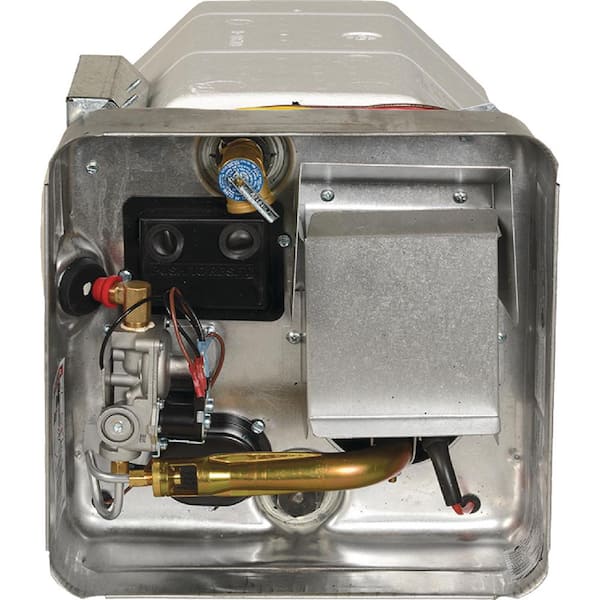
Reconnect the electrical wires according to the heater’s wiring diagram. Ensure all connections are tight and insulated. Attach the gas line securely to the burner assembly. Test for gas leaks using soapy water; bubbles indicate leaks.
Testing And Troubleshooting
Testing and troubleshooting are key steps after installing your Suburban RV water heater. These steps ensure the heater works safely and efficiently. Proper testing can prevent damage and save you time on repairs.
Start by checking for leaks and making sure the system fills correctly. Then, power up and watch the ignition process. Finally, be aware of common issues that might occur during installation.
Refilling And Checking For Leaks
Begin by refilling the water heater tank slowly. Watch all connections for any signs of leaking water. Use a dry cloth to spot small drips around fittings and valves. Tighten loose parts carefully to stop leaks. Leaks can cause damage and reduce heater performance.
Powering Up And Igniting
Switch on the power supply to the water heater. Ensure the propane supply is open and ready. Press the ignition button and listen for the burner to light. A steady flame means the heater is working properly. If the burner does not light, check the power source and gas flow. Repeat ignition attempts only after waiting a few minutes.
Common Installation Issues
Watch for common problems like loose wiring or gas leaks. Incorrect vent placement can cause poor heating or dangerous fumes. Faulty thermostats may stop the heater from reaching the right temperature. Check all connections and parts carefully before finishing installation. Fixing issues early keeps the heater safe and reliable.
Maintenance Tips For Longevity
Maintaining your Suburban RV water heater is key to its long life. Regular care stops problems early and keeps hot water flowing. Simple steps can protect your unit from damage and wear.
Regular Flushing And Cleaning
Flush the water heater tank every six months. This removes sediment buildup that reduces efficiency. Use fresh water and a flushing kit made for RV heaters. Cleaning the tank helps it heat water faster and last longer.
Inspecting Seals And Connections
Check seals and connections monthly. Look for leaks or cracks around joints and valves. Tighten loose fittings carefully to avoid water loss. Good seals prevent water damage and keep the heater working well.
Winterizing Your Water Heater
Drain the water heater before winter storage. Use RV antifreeze to protect pipes from freezing. Follow the manufacturer’s steps to avoid damage. Winterizing stops cracks and costly repairs during cold months.
Credit: www.homedepot.com
Credit: astorianhotels.com
Frequently Asked Questions
What Tools Are Needed For Suburban Rv Water Heater Installation?
You need a wrench, screwdriver, pipe cutter, Teflon tape, and sealant. Safety gear like gloves is also essential. Having these tools ensures a smooth, efficient installation process for your Suburban RV water heater.
How Long Does Suburban Rv Water Heater Installation Take?
Installation typically takes 1 to 3 hours depending on your experience and RV model. Proper preparation and following instructions speed up the process. It’s best to allocate enough time to avoid rushing and mistakes.
Can I Install A Suburban Water Heater Myself?
Yes, if you have basic plumbing and electrical skills. Follow the manufacturer’s instructions carefully. For complex setups or gas connections, consider hiring a professional to ensure safety and compliance.
What Maintenance Is Required After Installing The Water Heater?
Regularly check for leaks, corrosion, and proper venting. Flush the tank annually to remove sediment. Keeping the water heater maintained extends its lifespan and ensures efficient heating performance.
Conclusion
Suburban RV water heater installation improves comfort on the road. It saves space and works efficiently. Proper installation ensures safe and reliable hot water. Follow instructions carefully to avoid common mistakes. Regular maintenance keeps the heater working well. Enjoy warm showers no matter where you travel.
A well-installed heater adds value to your RV. Take your time and do the job right. Your RV trips will feel more like home. Simple steps lead to lasting comfort and convenience.