
Replacing a failed water heater element is much easier with a socket that fits the element hex securely. The right wrench can improve leverage, reduce slipping, and help prevent damage to the fitting.
This roundup compares 10 water heater element socket wrenches, including compact single-purpose tools, 1/2-inch-drive sockets, and dual-hex options for residential and RV systems.
Best 10 Water Heater Element Socket Wrenches Picks for 2026
Impact-Ready Pick
1-1/2-Inch CR-Mo Element Socket
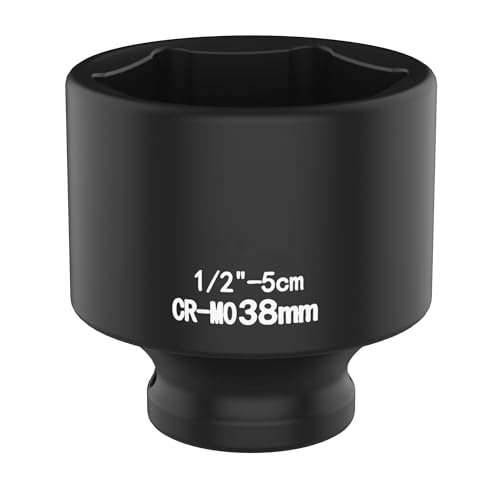
- Impact-grade CR-Mo steel supports high torque
- 6-point radiused design helps protect fasteners
- Laser-etched markings speed size identification
Best For: Heavy-duty residential element repairs with a 1/2-inch drive
Heavy-Duty Dual-Hex Pick
10-Inch Water Heater Element Wrench

- 10-inch body adds leverage
- 1-1/16-inch and 1-1/2-inch hex sizes
- Carbon-steel construction
Best For: RV and residential maintenance requiring extra reach
Precision Fit Pick
1-1/2-Inch Water Heater Socket

- Six-point 1-1/2-inch opening
- 1/2-inch square drive
- Deep alloy-steel socket
Best For: Residential element replacement with a ratchet or breaker bar
Compact RV Pick
Skoutag Dual-Hex Water Heater Wrench

- Six-inch compact design
- Fits 1-1/2-inch elements and 1-1/16-inch anode rods
- Side holes provide screwdriver leverage
Best For: RV and camper tool kits with limited storage
Best Overall

- 1/2-inch drive and 1-1/2-inch size
- 6-point grip helps prevent rounding
- Stainless steel construction
Best For: Standard residential and RV screw-in element service
Best for Tight Spaces

- Thin-walled deep-well profile
- 6-point, 1-1/2-inch socket
- Works with 1/2-inch drive tools
Best For: Recessed elements and compact installations
Classic Offset Pick – Camco 5-Inch Element Wrench
The Camco 09883 is a straightforward water heater element socket wrench for residential screw-in elements. Its 5-inch length, 1-1/2-inch hex, and cross holes support access in offsets where an adjustable wrench may not fit.
Best For: DIY users who need a compact, purpose-built wrench for standard residential screw-in water heater elements.
Pros:
- Fits 1-1/2-inch hex residential screw-in elements.
- Cross holes allow a screwdriver to add turning leverage.
- 5-inch length helps reach offset installations.
- Zinc-plated construction provides a protective finish.
Cons:
- Designed for element removal and installation rather than broader socket-drive use.
- Single-ended design does not include an anode-rod size.
This is a practical choice when you want a simple, dedicated element wrench with extra leverage options. Its universal-fit design is best matched to residential screw-in elements using the specified 1-1/2-inch hex.
Thin-Wall Socket Pick – 1-1/2-Inch 6-Point Element Socket
This 1-1/2-inch water heater element socket wrench combines a deep well with a 6-point design and standard 1/2-inch drive compatibility. Its thin-wall construction is intended for confined spaces around residential screw-in elements.
Best For: DIYers and professionals who prefer using a 1/2-inch drive tool for residential element replacement.
Pros:
- 6-point profile is designed to help reduce stripping and rounding.
- Deep-well design provides a secure grip on compatible elements.
- Thin-wall construction supports access in tight areas.
- Carbon-steel construction has a polished, corrosion-resistant finish.
Cons:
- Requires a separate 1/2-inch drive tool.
- Single 1-1/2-inch size does not cover 3/4-inch anode rods.
Choose this socket when drive-tool compatibility and confined-space access matter more than a self-contained tube wrench. The listed compatibility includes common residential brands and many units manufactured after 1994.
Dual-Size Service Pick – RV Element and Anode Wrench
This dual-hex water heater element socket wrench covers both common residential elements and 3/4-inch NPT anode rods. Its 6-inch deep-reach body and cross holes are useful when servicing residential, RV, camper, travel-trailer, and motorhome water heaters.
Best For: RV owners and home users who want one wrench for both screw-in elements and compatible anode rods.
Pros:
- 1-1/2-inch end fits most residential screw-in elements.
- 1-1/16-inch end fits 3/4-inch-thread anode rods.
- 6-inch length provides deep reach for access.
- Cross holes support easier loosening and tightening.
Cons:
- Dual-ended design may be less compact than a single-purpose socket.
- Its specified sizes may not fit nonstandard elements or anode rods.
The dual-size layout makes this a versatile maintenance tool for tank protection tasks, especially where anode replacement and element service are handled together. Its galvanized carbon-steel construction is intended for corrosion resistance and durability.
Impact-Ready Pick – 1-1/2-Inch CR-Mo Element Socket
This 1-1/2-inch water heater element socket wrench is built for a standard 1/2-inch drive and is optimized for high-torque use, including impact drivers. Its 6-point profile and radiused corners are designed to grip compatible elements while limiting fastener damage.
Best For: Users who want a heavy-duty 1/2-inch-drive socket for intensive residential water heater element repairs.
Pros:
- Impact-grade CR-Mo steel is designed for high-torque applications.
- Black phosphate finish supports durability and corrosion resistance.
- 6-point design with radiused corners helps reduce stripping.
- Laser-etched markings make size identification quick.
Cons:
- Requires a separate 1/2-inch drive or impact tool.
- Single 1-1/2-inch size does not service 3/4-inch anode rods.
This is the strongest fit for buyers who already use impact-capable drive tools and want a socket designed around torque and durability. It is listed for common residential brands and many water heaters made after 1994.
Heavy-Duty Dual-Hex Pick – 10-Inch Water Heater Element Wrench
For stubborn anode rods and heating elements, this 10-inch option gives water heater element socket wrenches extra reach and leverage. Its dual-hex design combines 1-1/16-inch and 1-1/2-inch openings in a galvanized carbon-steel body.
Best For: RV owners and homeowners who want extended leverage for difficult removals.
Pros:
- 10-inch length helps increase torque on stubborn parts.
- Dual hex sizes fit anode rods and many screw-in heating elements.
- Heavy-duty carbon-steel construction with a powder-coated finish.
Cons:
- Its longer length may be less convenient in tight spaces.
- It is a single manual wrench rather than a broader tool set.
This is a practical choice when reach and versatility matter more than compact storage. The combined socket sizes can reduce the need to carry separate tools for routine water-heater maintenance.
Precision Fit Pick – 1-1/2-Inch Water Heater Socket
This 1-1/2-inch socket wrench is a focused choice among water heater element socket wrenches, designed for standard residential screw-in elements. Its six-point opening and 1/2-inch drive connect with common ratchets and breaker bars.
Best For: Residential element replacement when you already own a compatible 1/2-inch-drive ratchet or breaker bar.
Pros:
- Six-point design provides a secure grip and helps reduce slipping.
- Deep socket allows fuller engagement with heating elements.
- 1/2-inch square drive supports standard ratchets and breaker bars.
- Alloy-steel construction is suited to repeated maintenance use.
Cons:
- Only the 1-1/2-inch element size is supplied.
- Requires a separate 1/2-inch-drive handle or breaker bar.
Choose this model if your project is specifically a standard residential screw-in element and you prefer using existing drive tools. Its specialized design avoids paying for extra socket sizes you may not need.
Compact RV Pick – Skoutag Dual-Hex Water Heater Wrench
The Skoutag is a compact dual-hex option for water heater element socket wrenches, measuring 6 inches long and covering common RV and residential service sizes. It includes 1-1/2-inch and 1-1/16-inch ends for elements and 3/4-inch-thread anode rods.
Best For: RV, camper, travel-trailer, motorhome, and residential maintenance where compact storage is useful.
Pros:
- Dual hex ends cover common element and anode-rod sizes.
- Six-inch length is easier to store in an RV tool kit.
- Side holes accept a screwdriver or similar object for added leverage.
- Galvanized carbon-steel construction is sturdy and corrosion resistant.
Cons:
- Shorter than a 10-inch wrench, so it provides less built-in leverage.
- The tool is limited to the listed 1-1/16-inch and 1-1/2-inch sizes.
This model balances coverage and portability well. The side-hole leverage feature is particularly useful when servicing elements or anode rods without bringing an additional large wrench.
Best Overall – 09951 6-Point Element Socket
For routine residential or RV repairs, this water heater element socket wrench combines a 1/2-inch drive with a 1-1/2-inch, 6-point socket. Its deep profile is designed for standard screw-in electric elements and helps maintain a secure grip during removal or installation.
Best For: Homeowners and technicians servicing standard screw-in elements, including many post-1994 residential and RV water heaters.
Pros:
- 6-point design helps reduce slipping and rounding.
- Fits ratchets, torque wrenches, and breaker bars with a 1/2-inch drive.
- Stainless steel construction is corrosion-resistant and durable.
- Also suitable for anode rod maintenance.
Cons:
- It is a single-purpose 1-1/2-inch socket rather than a dual-size tool.
- Compatibility should be confirmed for nonstandard or specialty elements.
This is a straightforward choice when you want a durable, standard-size socket for frequent water heater maintenance without carrying extra wrench sizes.
Best 2-in-1 Pick – Dual Hex Element and Anode Wrench
This dual-ended water heater element socket wrench is useful when maintenance involves more than the heating element. It combines a 1-1/2-inch hex for screw-in elements with a 1-1/16-inch hex for 3/4-inch NPT anode rods, plus cross holes for added turning leverage.
Best For: Residential, RV, camper, and travel-trailer owners who want one tool for both element and anode rod removal.
Pros:
- Dual hex ends cover elements and 3/4-inch NPT anode rods.
- Six-inch length and rotatable cross holes support easier loosening.
- A3 carbon steel construction is sturdy and corrosion-resistant.
- Designed for residential and RV applications.
Cons:
- Its dual-ended design is less specialized than a dedicated deep socket.
- The notes specify compatibility with elements before 1991 and after 1994, leaving other production years less clear.
If you plan to replace an element and inspect the anode rod during the same service, this tool offers broader coverage than a single-size socket.
Best for Tight Spaces – Thin-Wall 1-1/2-Inch Socket
When a recessed element is difficult to reach, this water heater element socket wrench is designed around access. The 1-1/2-inch, 6-point socket has a thin-walled deep-well profile and accepts standard 1/2-inch drive tools for residential element replacement.
Best For: DIYers and professionals working on compact installations with recessed screw-in water heater elements.
Pros:
- Thin-walled deep-well design helps reach narrow spaces.
- 6-point profile grips the element flats securely.
- Fits standard 1/2-inch drive tools.
- Alloy steel construction is intended for repeated use.
Cons:
- It only provides the 1-1/2-inch element size.
- It does not include a separate anode rod socket.
- The supplied notes do not specify a drive tool or ratchet included in the package.
This is a practical option when access around the element matters most and you already have a compatible 1/2-inch drive ratchet or breaker bar.
How We Picked the Best Water Heater Element Socket Wrenches
We focused on fit, construction, versatility, and ease of use. The selected tools cover common 1-1/2-inch water heater element sizes, plus dual-hex designs that also accommodate 1-1/16-inch RV anode rods. We also considered whether each socket accepts a standard 1/2-inch drive, since a ratchet or breaker bar can provide more controlled leverage than a small open-end wrench.
Because compatibility matters more than appearance for this repair, product descriptions, listed dimensions, drive configurations, and intended residential or RV applications were given priority. Always confirm the element or anode size before ordering.
Quick Comparison
- Best for basic residential repairs: A dedicated 1-1/2-inch socket is simple and compact.
- Best for added versatility: Dual-hex tools support both common element and RV anode sizes.
- Best for stubborn elements: Choose a long or heavy-duty design that works with a breaker bar.
- Best for controlled leverage: A 1/2-inch-drive socket pairs with a ratchet, extension, or torque tool.
- Best for secure engagement: Six-point sockets generally grip hex flats more securely than broad, less precise designs.
Key Buying Factors for Water Heater Element Socket Wrenches
Size and Compatibility
Most listed tools use a 1-1/2-inch opening for screw-in water heater elements, but some also include a 1-1/16-inch hex for RV anode rods. Check the replacement element, existing element, or manufacturer specifications before choosing a socket.
Drive Style and Leverage
A 1/2-inch-drive socket lets you use common ratchets, breaker bars, and extensions. This is useful when mineral buildup has seized the element. A basic wrench-style tool may be sufficient for routine work but offers fewer leverage options.
Six-Point Versus Dual-Hex Construction
A six-point profile can reduce rounding when the socket is properly seated. Dual-hex tools are more flexible for RV maintenance, especially if you service both anode rods and heating elements.
Length and Access
Longer tools may provide better reach and room for leverage, while shorter sockets can be easier to store and maneuver in tight utility compartments. Measure the available clearance around the tank before buying.
Who Should Buy Which Water Heater Element Socket Wrenches?
Homeowners handling one straightforward replacement should choose a dedicated 1-1/2-inch element socket that matches the existing element and works with the tools already in their toolbox.
DIY users who want more leverage should select a 1/2-inch-drive, six-point socket. It offers a dependable connection to a ratchet or breaker bar and is a practical choice when corrosion or scale makes removal difficult.
RV owners and technicians should consider a dual-hex removal tool with both 1-1/16-inch and 1-1/2-inch ends. This can cover common anode-rod and element jobs without carrying separate sockets.
Before starting, switch off electrical power at the breaker, shut off the water supply, relieve pressure, and drain the tank as directed by the manufacturer. Use the correct socket size and avoid forcing a poorly seated tool, which can damage the element or tank fitting.