Are you frustrated with your Ecosmart tankless water heater not working the way it should? You rely on it every day for hot water, and when problems pop up, it can throw off your entire routine.
Understanding the common issues that affect your Ecosmart unit can save you time, money, and stress. You’ll discover the most frequent problems and easy ways to fix them. Keep reading to make sure your water heater runs smoothly and keeps your home comfortable.

Credit: ipnpr.com.br
Common Issues
EcoSmart tankless water heaters are popular for their efficiency. Still, users can face common problems. Knowing these issues helps keep your unit working well. Troubleshooting becomes easier with the right information.
No Hot Water
No hot water is a frequent complaint. This can happen if the unit is off or has no power. Sometimes, a tripped breaker or blown fuse causes this. Check electrical connections and reset if needed.
Water Temperature Fluctuations
Water temperature may change suddenly. This happens when flow rate varies or the heater struggles to keep up. Low water pressure or clogged filters can cause this issue. Adjust settings or clean filters to fix it.
Error Codes
The unit shows error codes on the display. These codes indicate specific problems. Reading the manual helps understand each code. Common errors involve overheating, sensor failure, or flow issues. Address the cause based on the code.
Low Water Pressure
Low water pressure affects heater performance. It may cause poor heating or no heat at all. Check for blocked pipes or valves. Sometimes, scaling inside the unit reduces pressure. Cleaning or professional service may be needed.
Unit Shuts Off Unexpectedly
The heater may turn off by itself. Overheating or electrical faults often cause this. A safety feature stops the unit to prevent damage. Inspect the unit and ensure proper ventilation. Call a technician if the problem continues.
Strange Noises
Unusual sounds can come from the heater. These include banging, popping, or humming. Noise often means scale buildup or loose parts. Regular maintenance helps avoid this. Address noises early to prevent bigger problems.
Credit: s3.amazonaws.com
Causes Of Problems
Understanding the causes of Ecosmart tankless water heater problems helps with quick fixes. These issues often come from simple sources. Knowing them saves time and money.
Power Supply Issues
Power problems often stop the heater from working. A loose wire or a tripped breaker can cause this. Check the power connection regularly for safety.
Clogged Filters
Filters catch dirt before water heats up. When clogged, water flow slows down. This leads to poor heating and possible damage.
Sediment Buildup
Hard water leaves minerals inside the heater. These minerals form sediment and block pipes. Sediment buildup lowers heater efficiency and lifespan.
Improper Installation
Wrong setup can cause many problems. Incorrect pipe size or poor wiring creates errors. Always follow the manual or hire a pro for installation.
Faulty Sensors
Sensors control water temperature and flow. Broken sensors give wrong readings. This causes water to be too hot or cold.
Water Quality Impact
Dirty or hard water harms the system. It causes corrosion and clogs inside the heater. Using a water softener can reduce damage.
Troubleshooting Tips
Troubleshooting an EcoSmart tankless water heater can solve many common problems. This guide offers simple tips to fix issues quickly. Follow these steps to keep your water heater working well.
Resetting The Unit
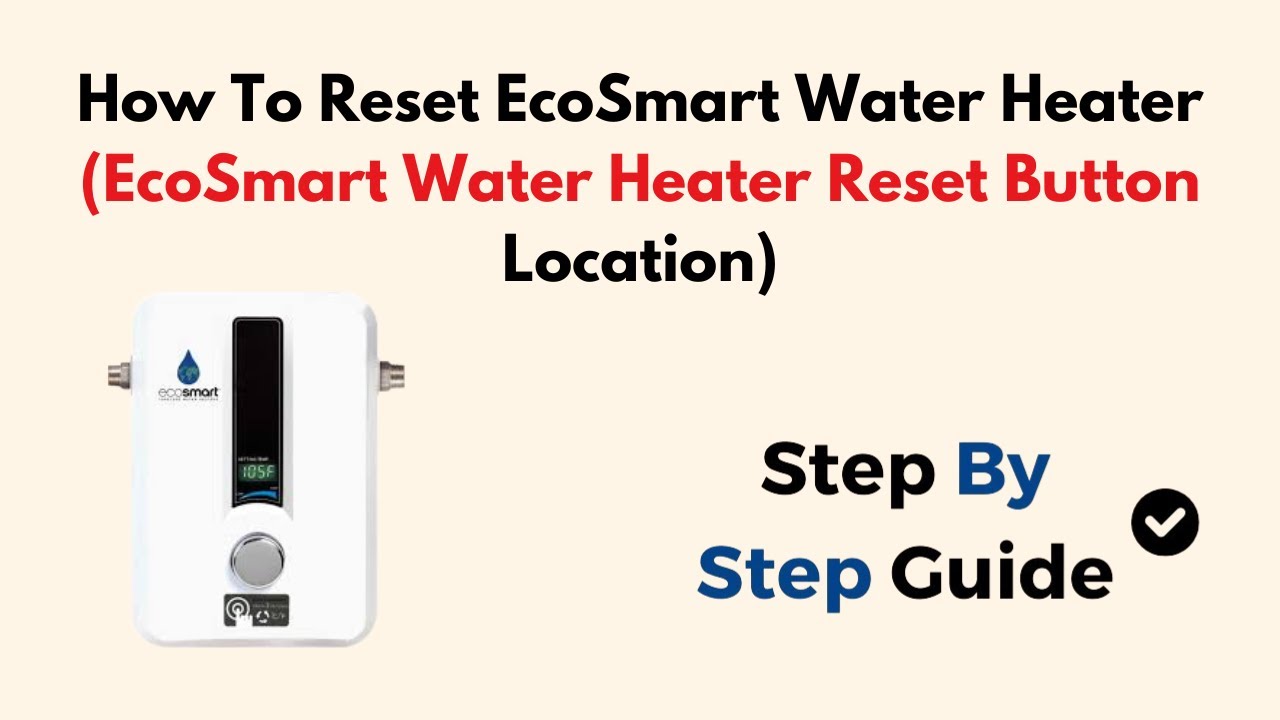
Resetting the EcoSmart unit often clears minor errors. Locate the reset button on the unit’s front panel. Press and hold it for a few seconds. Release the button and wait for the system to reboot. This step can restore normal function fast.
Checking Power Connections
Power problems cause many water heater issues. Make sure the unit is plugged in securely. Inspect the power cord for damage. Check the circuit breaker to ensure it is not tripped. A stable power supply helps the heater run smoothly.
Cleaning Filters And Screens
Dirty filters reduce water flow and cause errors. Turn off the water supply before cleaning. Remove the inlet filter and rinse it under water. Clean any debris from the screens inside the unit. Regular cleaning keeps water flowing freely.
Inspecting For Leaks
Leaks can damage the unit and waste water. Look closely around all pipes and connections. Feel for moisture or water drops. Tighten loose fittings to stop leaks. Early leak detection prevents costly repairs later.
Reading And Interpreting Error Codes
The EcoSmart unit shows error codes on its display. Write down any code you see. Check the user manual for code meanings. Each code points to a specific problem. Follow the manual’s advice to fix the issue correctly.
Adjusting Temperature Settings
Incorrect temperature settings cause poor performance. Use the control panel to change the temperature. Set it between 100°F and 120°F for safe use. Avoid very high temperatures to save energy and prevent scalding.
Repair And Maintenance
Repair and maintenance are key to keeping your EcoSmart tankless water heater working well. Regular care helps avoid sudden problems. It also saves money on big repairs. A well-maintained unit runs efficiently and lasts longer.
Regular Descaling
Mineral buildup can block water flow inside the heater. Descaling removes these deposits. Doing this every 6 to 12 months keeps the system clean. Use a descaling solution made for tankless heaters. This step prevents clogs and overheating.
Replacing Faulty Components
Worn parts cause poor performance or failures. Check the heating elements, sensors, and valves. Replace any damaged or old components quickly. Using original parts ensures the heater runs safely. Timely replacements stop small issues from growing.
Professional Servicing
Experts know how to inspect and fix tankless heaters. Schedule a professional checkup once a year. They test electrical connections and water pressure. Professionals can find hidden problems early. Their service keeps your heater reliable and safe.
Preventive Maintenance Schedule
Create a clear calendar for all maintenance tasks. Mark dates for descaling, inspections, and part replacements. Follow this schedule strictly. Regular attention prevents unexpected breakdowns. It also helps track the heater’s condition over time.
Extending Unit Lifespan
Good maintenance adds years to your water heater’s life. Keep the unit clean and parts fresh. Avoid letting mineral deposits build up. Use quality water filters if needed. Proper care reduces stress on the system and saves money.
When To Replace
Knowing when to replace your Ecosmart tankless water heater saves time and money. Some issues show clear signs of serious damage. At times, repair costs can be higher than replacement. New models offer better features and energy savings. Understanding these points helps you decide the right time to replace your unit.
Signs Of Irreparable Damage
Leaks that keep coming back are a bad sign. Corrosion inside the heater means it is worn out. Strange noises or frequent shutdowns show internal damage. If the unit won’t heat water properly, it may be broken beyond repair. Sudden power failures can indicate electrical faults. These signs mean replacement is the best option.
Cost Vs. Repair Analysis
Repair costs add up quickly with old units. Sometimes, fixing one part leads to other failures. New parts for older models may be expensive or unavailable. Calculate repair costs against the price of a new heater. If repairs cost more than half the price of a new unit, replacement is smarter. This saves money and avoids repeated repairs.
Upgrading To New Models
New Ecosmart models have better technology and performance. They provide consistent hot water and last longer. Modern units have improved safety features. Some models include smart controls for easy temperature adjustments. Upgrading means fewer breakdowns and better user experience. It is worth considering when your current unit is old or faulty.
Energy Efficiency Considerations
Older tankless heaters use more energy than new ones. New models meet higher energy efficiency standards. Lower energy use means smaller utility bills. Efficient units reduce your home’s carbon footprint. Replacing an old heater improves energy savings quickly. This helps the environment and your budget.
Credit: larizasqueff.com.br
Frequently Asked Questions
What Are Common Ecosmart Tankless Water Heater Problems?
Common problems include inconsistent water temperature, error codes, low water pressure, and unit shutdowns. Mineral buildup and electrical issues are frequent causes.
Why Is My Ecosmart Water Heater Not Producing Hot Water?
This often results from a faulty heating element, clogged filters, or incorrect temperature settings. Checking error codes can help identify the exact issue.
How To Fix Error Codes On Ecosmart Tankless Heaters?
Consult the user manual for specific error codes. Common fixes include resetting the unit, cleaning filters, or contacting professional service for electrical faults.
Can Mineral Buildup Cause Ecosmart Heater Malfunctions?
Yes, mineral buildup can block water flow and reduce heating efficiency. Regular descaling maintenance prevents damage and ensures consistent performance.
Conclusion
Ecosmart tankless water heaters can have some common problems. These issues may affect water flow or heating performance. Regular maintenance helps prevent many troubles. Checking filters and flushing the system keep it running well. Knowing the signs of trouble saves time and money.
Quick action can avoid bigger repairs later. Choosing the right model also reduces issues. Stay informed and address problems early for best results. Your water heater will serve you better with simple care.